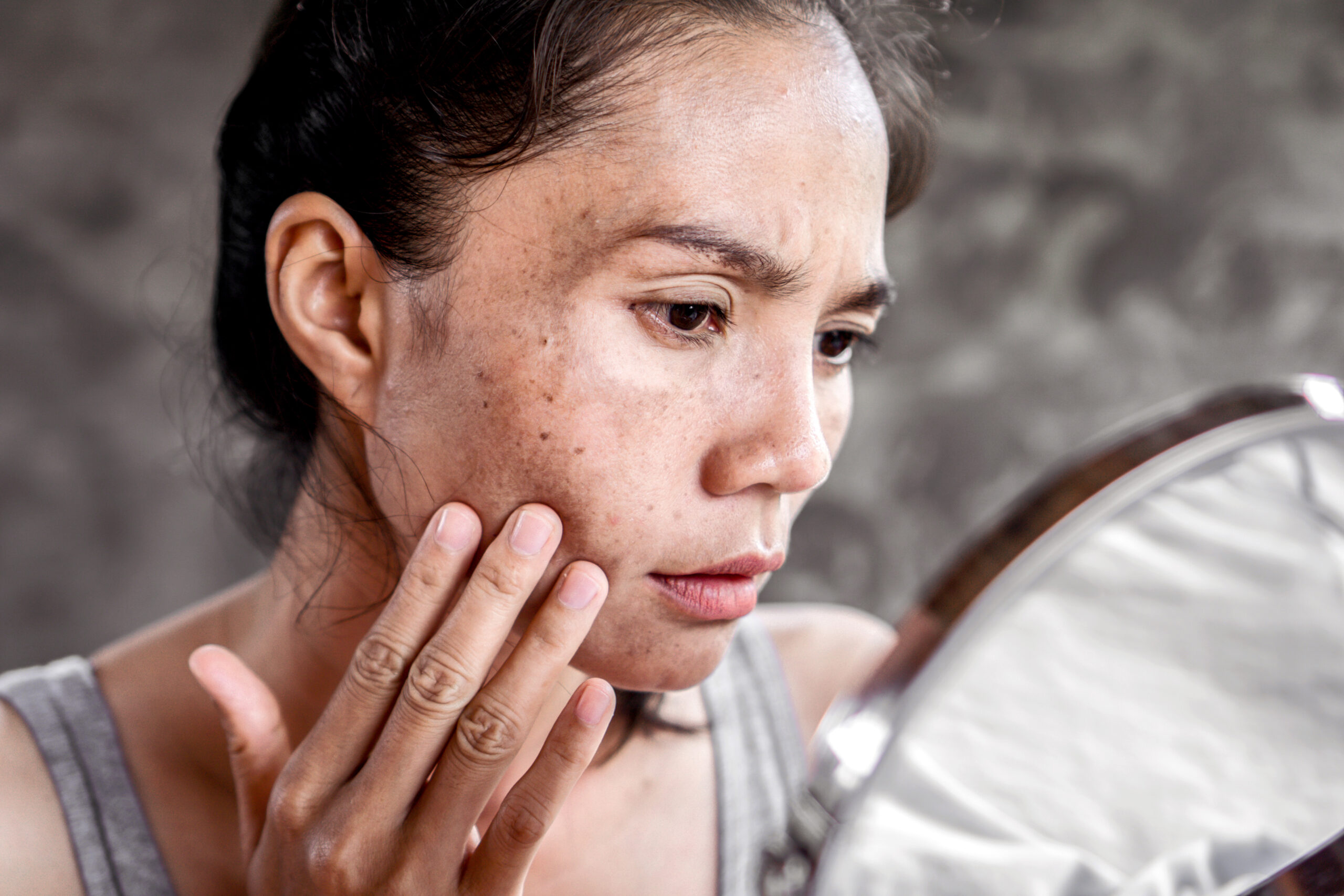
Dark spots may seem like a minor skincare issue, but understanding their causes and treatments can significantly enhance your skin’s health and appearance.
Story Snapshot
- Dark spots are primarily caused by UV exposure, making sunscreen a critical preventive measure.
- Retinoids and vitamin C are effective treatments for diminishing existing pigmentation.
- Natural remedies like aloe vera and licorice extract provide gentle brightening benefits.
- LED light therapy can aid in preventing dark spots by healing skin breakouts.
Understanding Dark Spots
Dark spots, or hyperpigmentation, are often a result of prolonged exposure to ultraviolet (UV) rays. These spots can appear on any skin type and are usually harmless, but they can be a cosmetic concern for many. The primary factor responsible for their formation is sun exposure, which accelerates melanin production, leading to these spots. Preventing them starts with consistent sunscreen application to protect the skin from harmful UV rays.
Prevention is always better than cure, especially when it comes to skin health. The daily use of broad-spectrum sunscreen with at least SPF 30 is recommended by dermatologists to block both UVA and UVB rays. This not only prevents dark spots from forming but also stops existing ones from worsening. Remember, reapplication every two hours, especially after swimming or sweating, is crucial for effective sun protection.
Chat safely, anytime, with My Healthy Doc.
Effective Treatments for Dark Spots
Once dark spots have developed, there are several dermatologist-recommended treatments to consider. Retinoids, known for their ability to speed up cell turnover, are a popular choice. They help in shedding the pigmented skin cells more quickly, revealing fresher skin underneath. Additionally, vitamin C serums serve as potent antioxidants that brighten the skin by reducing melanin production.
Gentle exfoliants like alpha hydroxy acids (AHAs) or kojic acid can also help fade pigmentation over time. These exfoliants work by removing the outer layer of dead skin cells, promoting a more even skin tone. It’s important to use these treatments consistently and with caution, as overuse can lead to skin irritation.
Watch:
https://youtube.com/shorts/vretsWRxiW4?si=_0PkiXCIaXTBIrVd
Discover your personalized skin treatment plan.
Natural Remedies and Alternatives
For those who prefer natural remedies, certain ingredients offer mild but effective brightening benefits. Aloe vera, known for its soothing properties, can help lighten dark spots while calming the skin. Similarly, licorice extract has been found to inhibit melanin production, gradually reducing the appearance of pigmentation.
LED light therapy is another alternative that has shown promise in preventing dark spots. This non-invasive treatment uses specific wavelengths of light to heal skin breakouts and reduce inflammation, which can indirectly help in minimizing the development of dark spots. Regular sessions can enhance overall skin clarity and brightness.
Incorporating these strategies into your skincare routine can significantly improve the appearance of dark spots and prevent new ones from forming. A combination of preventive measures, effective treatments, and natural remedies provides a comprehensive approach to managing hyperpigmentation. Always consult with a dermatologist to tailor a skincare regimen that suits your specific needs and skin type.
Your new health companion is online, ready when you are.
Sources:
https://arsenaultaesthetics.com/skin-care/sun-safety-101-sunscreens-tips-and-treatments/