Your eyes possess a built-in defense system against aging that most people never fully activate, relying on just three powerful nutrients.
Story Snapshot
- Three carotenoids—lutein, zeaxanthin, and beta-carotene—create a protective shield in your retina against age-related vision loss
- These nutrients absorb harmful blue light and reduce oxidative stress that damages eye cells over time
- Studies show higher consumption reduces advanced macular degeneration risk by 40 percent
- Common foods like kale, spinach, and eggs provide these vision-protecting compounds naturally
- Most people can maintain eye health through diet alone without expensive supplements
Nature’s Blue Light Blockers Work Better Than Technology
While millions spend fortunes on blue light glasses and screen filters, your retina manufactures the most sophisticated protection system ever discovered. Lutein, zeaxanthin, and beta-carotene accumulate in the macula—the central part of your retina responsible for sharp, detailed vision. These carotenoids form what scientists call macular pigment, creating a natural filter that absorbs high-energy blue wavelengths before they damage delicate photoreceptor cells.
The macular pigment acts like internal sunglasses, but unlike external protection, these nutrients work around the clock. They neutralize free radicals generated by constant light exposure and metabolic processes that would otherwise accelerate cellular aging. This biological defense system becomes increasingly critical as we age and our natural antioxidant production declines.
Watch:
https://www.youtube.com/watch?v=HZ4Ys7Y5mSU
The Kitchen Pharmacy for Aging Eyes
Dark leafy greens reign supreme in the vision protection game. Kale delivers the highest lutein concentration of any common vegetable, while spinach provides substantial amounts of both lutein and zeaxanthin. Egg yolks contain these carotenoids in highly bioavailable forms, meaning your body absorbs them more efficiently than from many plant sources.
Colorful vegetables expand your protective arsenal significantly. Orange bell peppers, corn, and orange-fleshed squash supply zeaxanthin and beta-carotene in generous quantities. The key lies in eating a rainbow of colors consistently rather than sporadically loading up on single foods. This approach ensures steady delivery of all three carotenoids in optimal ratios.
Start your health journey now.
Real-World Protection Against Vision-Stealing Diseases
Age-related macular degeneration strikes one in ten Americans over 50, causing irreversible central vision loss. Higher dietary intake of these three carotenoids correlates with dramatically lower AMD progression rates. The protective effect proves most pronounced in advanced stages, where vision loss accelerates rapidly without intervention.
Cataracts and diabetic retinopathy also respond favorably to increased carotenoid consumption. The anti-inflammatory properties of these nutrients reduce protein clumping in the lens and protect retinal blood vessels from glucose-related damage. Unlike surgical interventions or pharmaceutical treatments, dietary protection works preventively rather than reactively.
Chat safely, anytime, with My Healthy Doc.
Simple Strategy Beats Expensive Solutions
Most people achieve adequate carotenoid levels through thoughtful food choices without supplement intervention. A daily serving of dark leafy greens, two eggs, and colorful vegetables throughout the week provides sufficient protection for typical individuals. This natural approach costs less than premium supplements while delivering additional nutrients that support overall health.
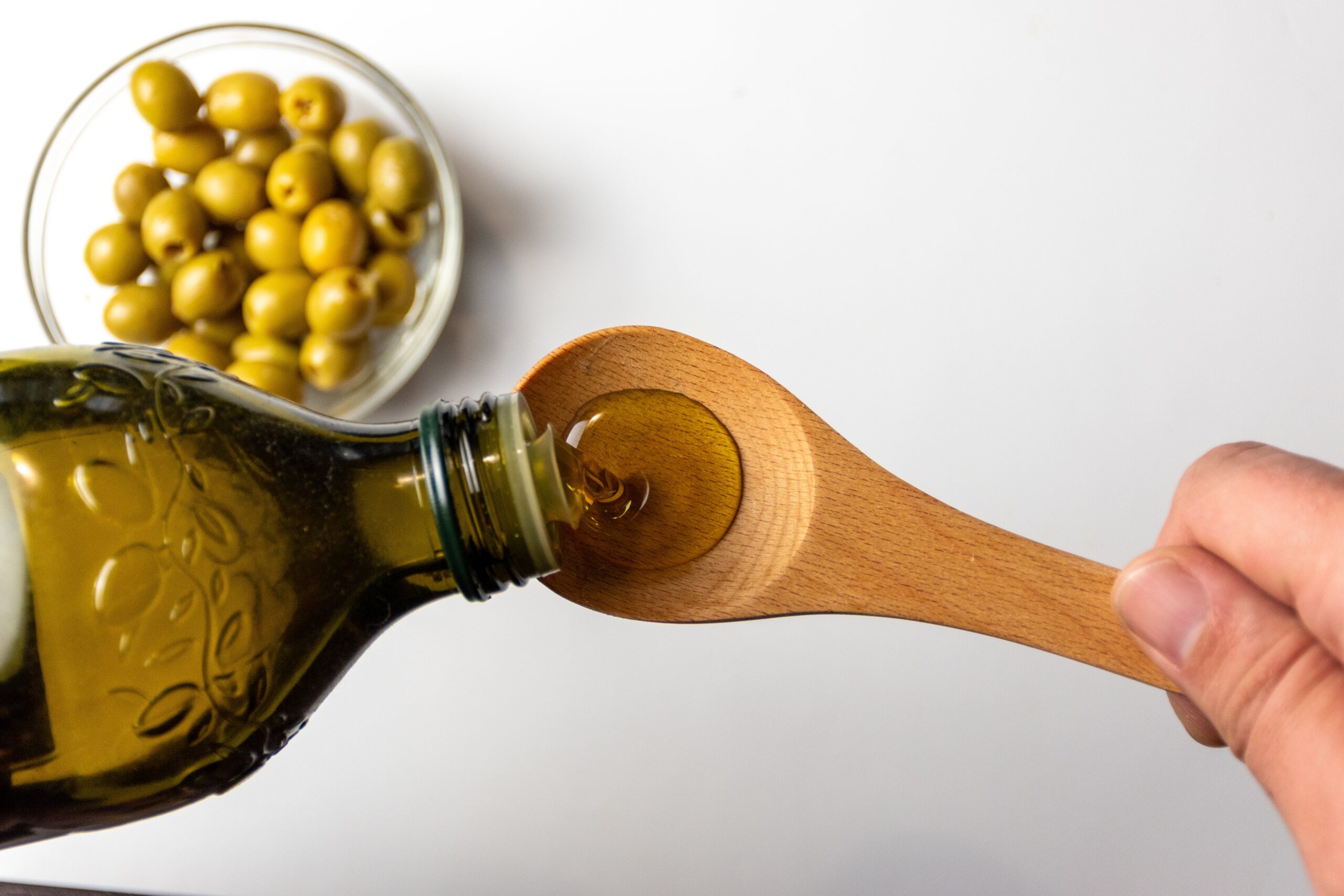
The research consistently demonstrates that whole foods outperform isolated nutrients in supplement form. Food-based carotenoids come packaged with complementary compounds that enhance absorption and utilization. Fat-soluble vitamins require dietary fats for optimal absorption, making eggs and olive oil valuable additions to carotenoid-rich meals.
Your new health companion is online, ready when you are.
Sources:
https://www.healthline.com/nutrition/lutein-and-zeaxanthin
https://www.healthcentral.com/condition/age-related-macular-degeneration/how-lutein-benefits-your-eyes-and-macular-health