Only one-third of American adults maintain a consistent bedtime, yet this simple habit could be the key to solving a national sleep crisis affecting 84 million people who rate their sleep as fair or poor.
Story Overview
- 60% of Americans are chronically underslept despite expert recommendations for 7-9 hours nightly
- Just 34% maintain fixed bedtimes while 41% use screens daily before bed, cutting sleep by 48 minutes weekly
- Post-COVID sleep gains of 14 minutes persist through 2025, but quality remains poor with 70% struggling to stay asleep
- Sleep disorders now affect 50-70 million US adults, with Gen X getting the least sleep at 6.54 hours nightly
The Bedtime Routine Crisis Hiding in Plain Sight
The 2025 National Sleep Foundation poll reveals a troubling paradox: while most Americans understand sleep’s importance, their evening habits tell a different story. Sixty percent of adults score themselves as chronically underslept, yet only 34% commit to going to bed at the same time each night. This disconnect between knowledge and practice has created what sleep experts now call “sleep anxiety” fueled by digital dependency and economic uncertainty.
The numbers paint a stark picture of bedtime chaos. While 52.7% of adults watch television or streaming services before bed, only 20.4% choose to read. Screens dominate the final hour before sleep, despite mounting evidence that this habit robs Americans of nearly an hour of rest weekly. The American Academy of Sleep Medicine’s Dr. Rowley emphasizes that consistent bedtimes regulate circadian rhythms, yet most people treat their sleep schedule like a suggestion rather than a prescription.
Meet My Healthy Doc – instant answers, anytime, anywhere.
When Pandemic Habits Actually Helped
Surprisingly, COVID-19 delivered an unexpected gift to American sleep patterns. Work-from-home flexibility allowed people to sleep an additional 14 minutes nightly through later wake times and slightly earlier bedtimes. This modest but meaningful gain has persisted through 2025, contradicting predictions that sleep would worsen as society reopened. However, the benefits weren’t equally distributed, with higher-income and more educated workers capturing most of the sleep improvements.
The pandemic’s silver lining highlights what’s possible when society prioritizes sleep over rigid schedules. Yet despite gaining those precious extra minutes, sleep quality continues deteriorating. Seventy percent of adults struggle to stay asleep through the night, and 68% have difficulty falling asleep initially. The problem isn’t just duration anymore—it’s the fundamental disruption of healthy sleep architecture.
The Screen Time Sleep Thief
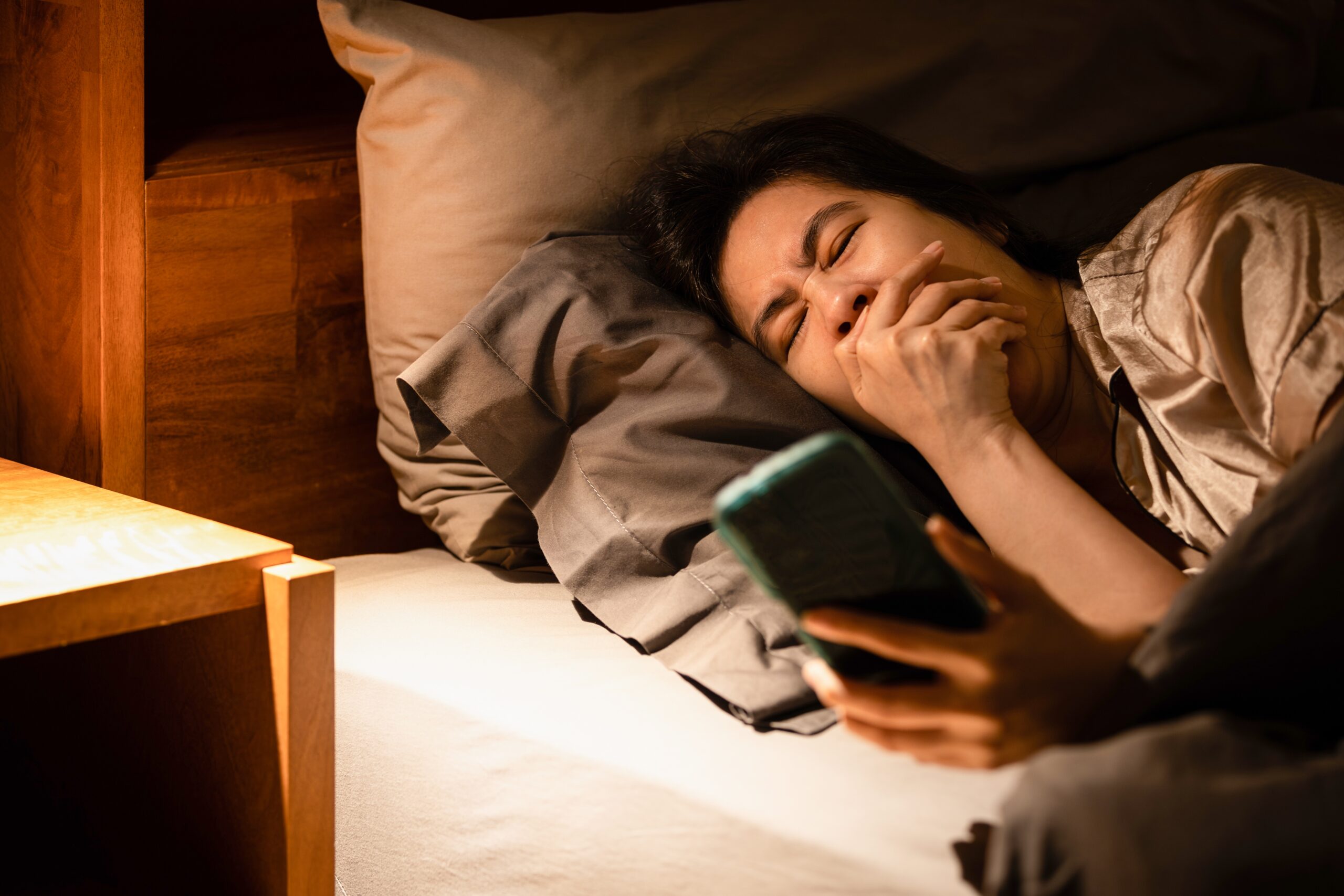
Recent research published in JAMA reveals the devastating impact of bedtime screen use on sleep quality and duration. Adults who regularly use electronic devices before bed lose approximately 48 minutes of sleep weekly compared to those who power down. This isn’t merely correlation—the blue light emission and mental stimulation create a perfect storm for circadian rhythm disruption.
The addiction runs deeper than casual entertainment. Forty-one percent of Americans use screens nightly before bed, turning bedrooms into command centers rather than sanctuaries. Television and streaming services top the list at 52.7% usage, followed by smartphones and tablets. Meanwhile, traditional relaxing activities like reading have become minority pursuits. This digital takeover of bedtime represents perhaps the most significant threat to healthy sleep routines in modern history.
Watch:
https://www.youtube.com/watch?v=wQwPAPHYDfU
Fall asleep faster guided by smart care.
Building Bedtime Routines That Actually Work
Effective bedtime routines share common elements that signal the brain to prepare for sleep. Thirty-nine percent of Americans shower or bathe before bed, creating a temperature drop that naturally promotes drowsiness. Reading, though practiced by only one in five adults, consistently correlates with better sleep quality. The key lies in consistency rather than complexity—simple routines practiced nightly outperform elaborate rituals attempted sporadically.
Stanford research adds urgency to routine development by connecting late bedtimes with increased depression and anxiety risk, regardless of total sleep duration. This finding challenges the common belief that sleep timing doesn’t matter as long as you get enough hours. The research suggests that aligning bedtimes with natural circadian rhythms provides mental health benefits beyond simple rest. As 2025 progresses, sleep experts increasingly view consistent bedtime routines not as luxury habits but as essential health interventions for a chronically tired nation.
Chat with AI for personalized sleep tips.
Sources:
Sleep Statistics Guide – NapLab
2025 Sleep in America Poll – National Sleep Foundation
Survey on Americans’ Bedtime Routines – American Academy of Sleep Medicine
Screen Use and Sleep Quality Study – JAMA Network
COVID-19 Sleep Pattern Analysis – PMC
Sleep and Mental Health Connection – Stanford Medicine