Mayo Clinic’s new podcast pushes brain-computer interfaces that could erode personal privacy and individual liberty under the guise of medical progress.
Story Snapshot
- Stein Fireside Podcast Episode 1, released January 1, 2026, spotlights cognitive neuroscience research on memory and neural networks from Mayo Clinic’s STEIN society.
- Hosts Dr. Kai Miller and Dr. Bryan Klassen discuss brain dynamics with guest Dr. Chris Honey, a 20-year collaborator.
- Shorts clips like Ep01-VShorts-4 promote cutting-edge work on intracranial recordings and thought decoding via machine learning.
- Advances target neurosurgery improvements but raise concerns over government-funded tech accessing private thoughts, threatening constitutional protections.
Podcast Launch and Core Focus
The Stein Fireside Podcast debuted Episode 1 on January 1, 2026, through the Society for Technology, Engineering, and Innovation in Neurosurgery at Mayo Clinic. Dr. Kai Miller, professor of neurosurgery, and Dr. Bryan Klassen, a Mayo Clinic neurosurgeon, host the 48-minute discussion. Guest Dr. Chris Honey, cognitive neuroscience expert, joins them to explore short-term memory, brain networks, and neural dynamics. The episode draws from real-world applications like intracranial recordings in patients. This format delivers complex science accessibly, but conservatives watch warily as such tech often expands federal overreach into personal domains.
Expert Insights on Memory and Brain Science
Dr. Chris Honey details the brain’s temporal integration for comprehension, citing auditory experiments where listeners synchronize narratives despite differing priors. This reveals cortical memory timescales, from seconds in sensory areas to minutes in association cortex. Hosts connect these findings to clinical electrode use in epilepsy patients, mirroring research setups. Historical context includes patient HM’s 1953 surgery, which exposed hippocampal memory roles, informing modern hierarchies. Honey’s path from math and literature to neuroscience, shaped by his parents’ journalism amid Southern Africa’s political shifts, adds depth to the collaborative dialogue.
Watch:
https://www.youtube.com/shorts/zMkquUpNqYo
Brain-Computer Interfaces and Future Implications
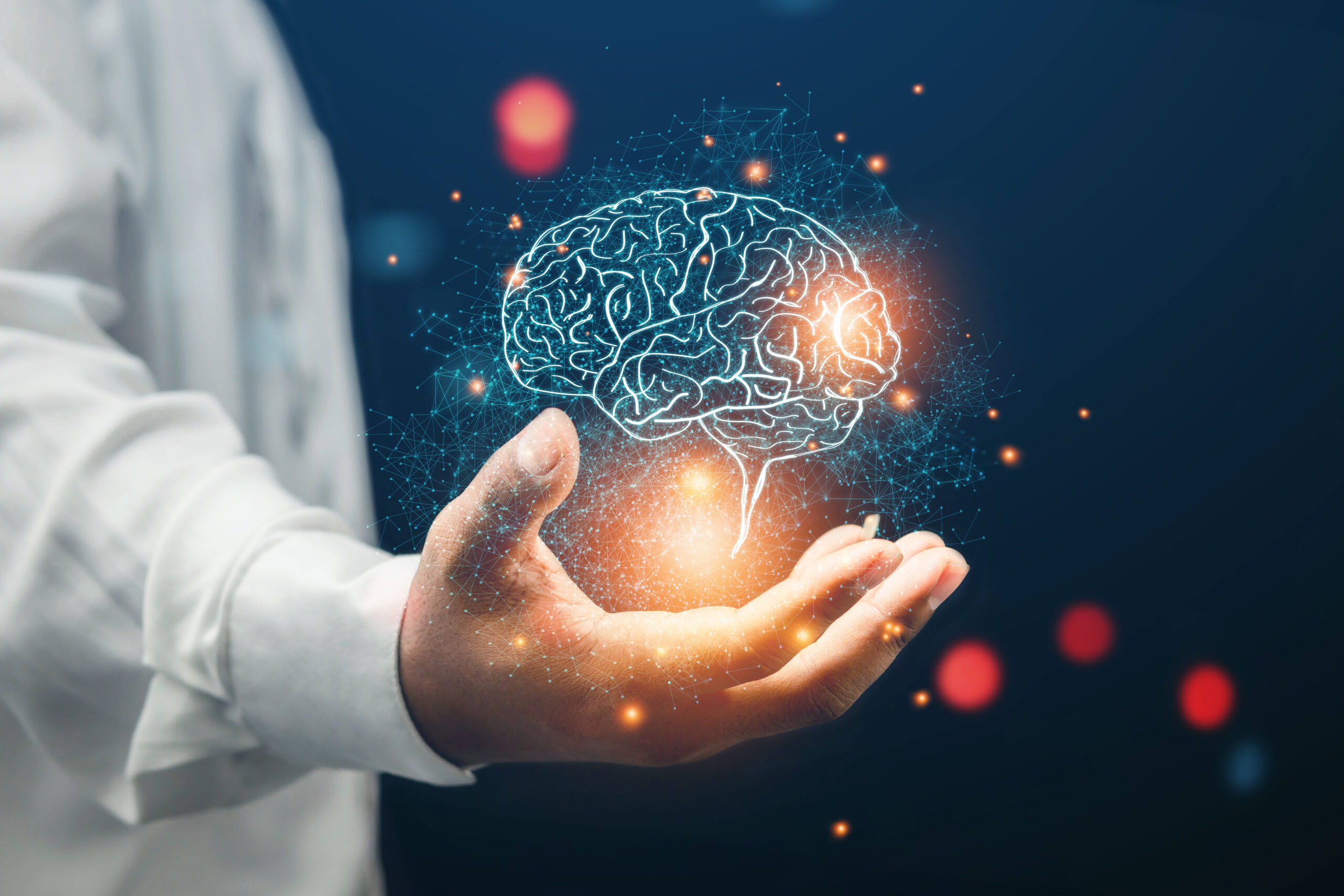
From timestamp 36:12 to 43:08, experts address brain-computer interfaces, machine learning for thought decoding, and stimulation for recovery. Optimism surrounds neural decoding potential, yet historical cases like HM’s amnesia underscore risks. Long-term impacts promise better neurosurgery outcomes for epilepsy patients through hierarchical models and distributed memory research. Short-term, Shorts clips raise clinician and public awareness, aiding surgical planning. Mayo Clinic gains visibility, with economic boosts from research funding.
Potential Concerns for Conservative Values
While advancing patient care, these developments spotlight brain science demystification that invites government involvement. Intracranial data and AI decoding evoke fears of surveillance overreach, echoing past expansions in tech regulation. President Trump’s focus on American AI leadership contrasts with unchecked medical research potentially prioritizing globalist agendas over individual freedoms. Limited access to Ep01-VShorts-4 content, due to YouTube restrictions, hinders full scrutiny, but the podcast’s Mayo Clinic backing signals institutional push for neural tech.
Sources: