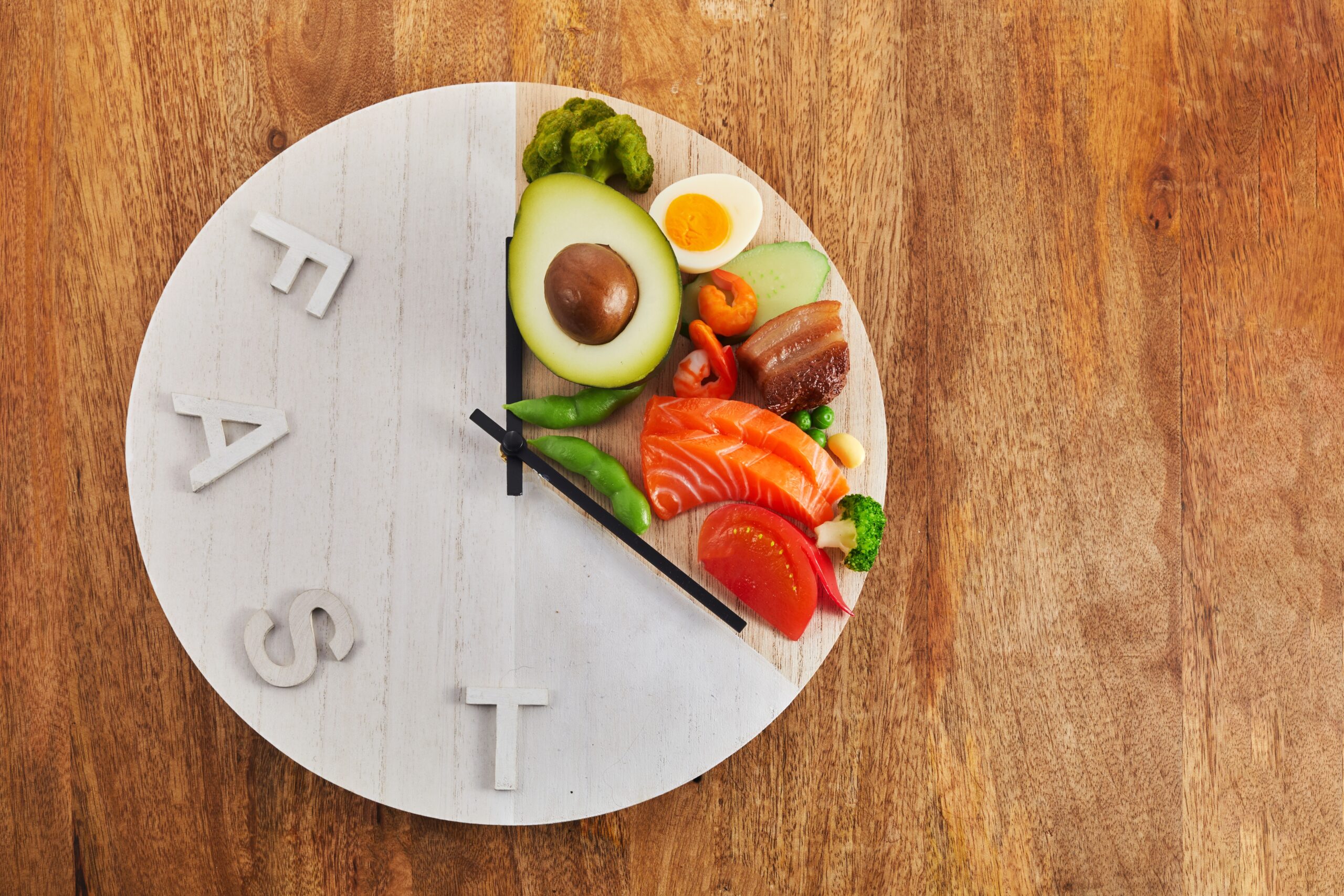
The multi-billion-dollar intermittent fasting craze just suffered a blow from German scientists who proved what many suspected all along: when you control for calories, the magic disappears.
Story Highlights
- German researchers found zero metabolic benefits from time-restricted eating when calories remained constant
- Study controlled for the first time what previous intermittent fasting research ignored: total calorie intake
- Results show previous IF benefits came from eating less food, not from meal timing tricks
- Findings challenge the entire wellness industry built around “when you eat matters more than what you eat”
The Controlled Experiment That Changed Everything
Professor Olga Ramich and her team at the German Institute of Human Nutrition designed the ChronoFast trial to answer the question that should have been asked years ago: does intermittent fasting work if you don’t accidentally eat less? They recruited 31 overweight women and gave them identical meals during either an eight-hour early window or late window, then measured every metabolic marker imaginable.
The results, published in Science Translational Medicine, were devastating for IF evangelists. No improvements in insulin sensitivity, blood sugar, inflammation markers, or blood fats. The only thing that changed was participants’ circadian rhythms shifted by about 40 minutes, proving meal timing affects your biological clock but not your metabolism.
Scientists tested intermittent fasting without eating less and found no metabolic benefit https://t.co/Znap3ur8K3
— Un1v3rs0 Z3r0 (@Un1v3rs0Z3r0) January 3, 2026
Got a health question? Ask our AI doctor instantly, it’s free.
Why Previous Studies Got It Wrong
The dirty secret of intermittent fasting research has always been the inability to separate timing from calories. When people restrict their eating to narrow windows, they naturally consume fewer calories, often without realizing it. Previous studies celebrated this as proof of IF’s metabolic magic, but they were measuring calorie restriction in disguise.
This isn’t the first study to expose the emperor’s lack of clothes. A 2023 University of Sydney trial found that while intermittent fasting produced modest weight loss, it offered no anti-inflammatory benefits or significant insulin improvements compared to standard calorie restriction with optimal nutrition. The pattern emerging from rigorous research consistently points to the same conclusion: calories matter more than clocks.
The Billion-Dollar House of Cards
The wellness industry built an empire selling the seductive promise that you could eat the same amount of food and still lose weight just by changing when you eat. Apps, books, supplements, and coaching programs all marketed this magical thinking to desperate dieters tired of traditional calorie counting.
Professor Ramich’s straightforward conclusion cuts through the marketing hype: “The health benefits likely come from calorie reduction, not the eating window. Focus on energy balance.” This message won’t sell many diet books or premium app subscriptions, but it aligns with decades of established nutritional science that the industry conveniently ignored.
Watch;
https://www.youtube.com/watch?v=1xCN5o0glHg
Get fast, reliable health advice from your AI doctor now.
What This Means for Your Health Strategy
The ChronoFast findings don’t mean intermittent fasting is useless, but they strip away the mystical claims about metabolic reprogramming and fat-burning optimization. If restricting your eating window helps you naturally eat fewer calories without feeling deprived, it can still be an effective weight loss tool. The key is understanding you’re practicing portion control, not biological hacking.
This research redirects attention toward what actually works: maintaining a sustainable calorie deficit through whatever method helps you stick to it long-term. Some people find success with time-restricted eating because it provides structure and eliminates late-night snacking. Others do better with frequent small meals or traditional three-meal patterns. The method matters less than the consistency and total calorie balance.
Your instant doctor companion – online 24 hours a day.
Sources:
Scientists tested intermittent fasting without eating less and found no metabolic benefit
Intermittent fasting leads to weight loss, not improved health
PMC Analysis of Intermittent Fasting Effects
NCBI Research on Time-Restricted Eating
8-hour time-restricted eating linked to 91% higher risk of cardiovascular death