A common cold in your baby could silently escalate to life-threatening breathing failure without rapid lab tests to confirm RSV and halt needless antibiotics.
Story Snapshot
- RSV strikes all ages but devastates infants, causing 25-40% of children to develop bronchiolitis or pneumonia on first infection.
- Symptoms mimic other viruses, demanding lab confirmation to cut hospital stays and antibiotic overuse.
- Premature infants face atypical dangers like apnea, underscoring why clinical judgment alone fails.
- Rapid diagnostics since the 1970s revolutionized outcomes, proving science trumps guesswork in conservative medicine.
- Most recover in 1-2 weeks, yet high viral loads predict severity and wheezing recurrences.
RSV Targets Infants with Ruthless Precision
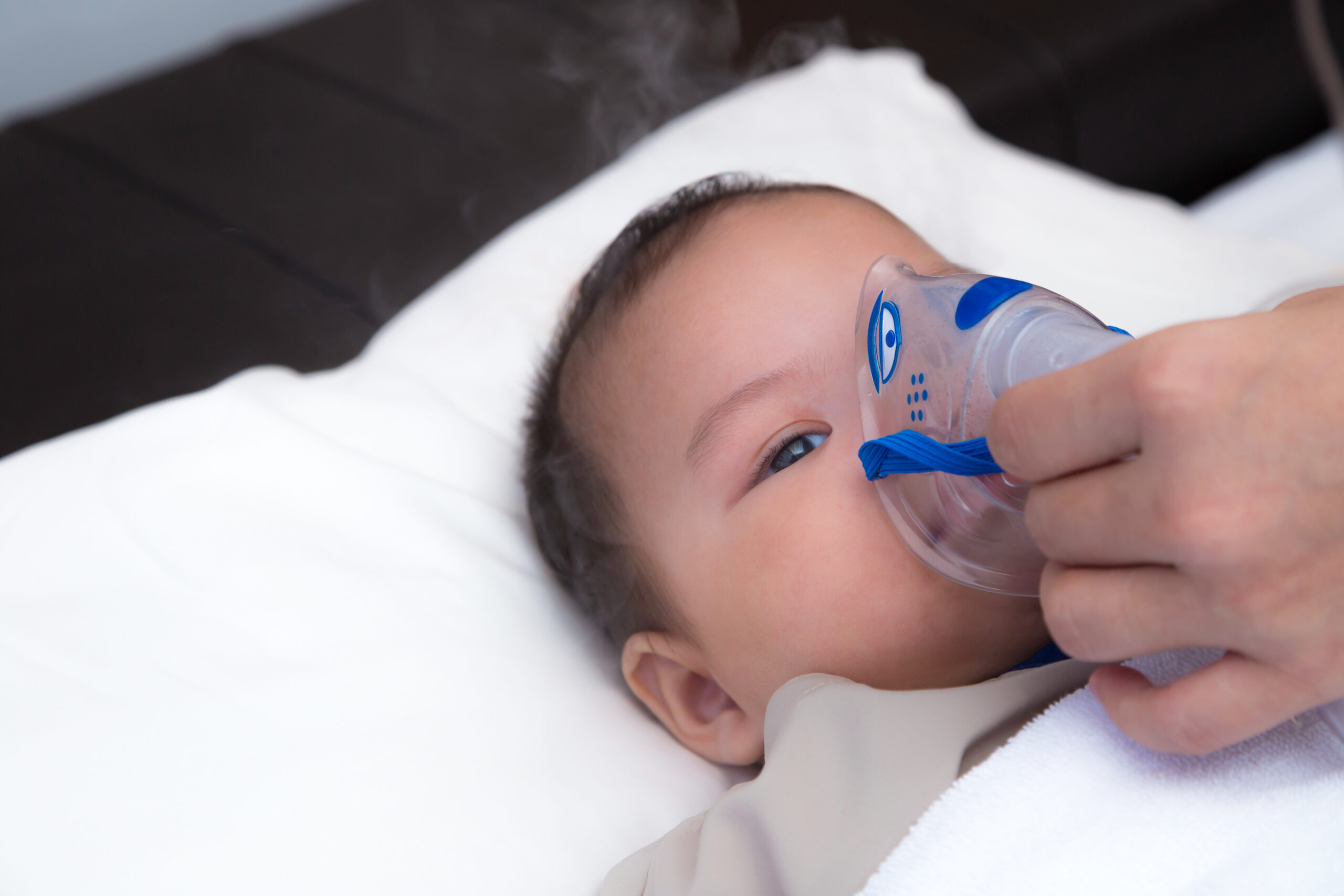
Respiratory Syncytial Virus infects respiratory tract epithelial cells, sparking outbreaks in fall and winter. Infants under 1 year suffer most, with primary infections hitting 25-40% as bronchiolitis or pneumonia. Premature babies endure atypical assaults—apnea spells, bradycardia, feeding disruptions—bypassing classic coughs. This variability fools doctors relying on symptoms alone, as RSV blends seamlessly with rivals like influenza. Lab proof separates fact from hunch, aligning with common-sense demands for evidence-based care.
Hospitals see surges because RSV demands beds for oxygen-starved little ones showing cyanosis—bluish skin signaling crisis. Conservative values prize protecting the vulnerable; here, that means equipping pediatricians with tools beyond stethoscopes. Without them, misdiagnosis wastes resources and risks lives, echoing timeless wisdom: verify before you act.
Symptoms Evolve from Sneezes to Suffocation
Symptoms emerge 4-6 days post-exposure. Adults and older kids battle runny noses, dry coughs, low fevers, sore throats, sneezing, headaches, fatigue, appetite loss—echoing ordinary colds. Infants pivot sharply: short shallow breaths, chest retractions, poor feeding, lethargy, irritability signal escalation. Wheezing whistles on exhales, rapid breathing accelerates, fever spikes. Progression invades lower airways, turning sniffles into hospitalization triggers.
Extrapulmonary oddities plague severe cases—cardiac issues, sepsis mimics—though direct viral blame remains debated. Higher viral loads fuel worse courses and wheezing relapses, per research. Recovery spans 1-2 weeks for most, but repeated wheezes linger, taxing families and systems. Facts demand vigilance; ignoring them invites tragedy in those tiny frames.
Watch:
https://www.youtube.com/watch?v=tq2Pn97E3oU
Meet My Healthy Doc – instant answers, anytime, anywhere.
Diagnostic Breakthroughs Since the 1970s
Immunofluorescent staining debuted in the 1970s, first rapid RSV detector via epithelial cell antigens. Today’s arsenal includes virus isolation, DFA assays, EIA, chromatographic tests, RT-PCR for nucleic acids. Nasal washes outperform swabs for sensitivity. Doctors add chest X-rays for inflammation, pulse oximetry for oxygen dips, blood tests for invaders, lung auscultation for wheezes. Primary care skips routine tests; ERs and hospitals deploy them for admits.
Clinical clues falter—RSV impersonates flu, rhinovirus too well. Lab confirmation slashes ancillary tests, curbs antibiotics, shortens stays. Premature infants’ odd presentations scream for this precision, averting delays. Common sense aligns: test swiftly, treat accurately, steward antibiotics against resistance—a conservative bulwark for public health.
Start your health journey now.
High-Risk Groups Face Amplified Threats
Premature infants, chronic heart/lung patients, immunocompromised souls bear heaviest burdens. Hospitalization looms for them during severe flares. RSV weakens immunity, priming COVID-19 vulnerability; co-infections amplify damage. Healthcare strains under childhood lower respiratory surges, demanding resource savvy. Rapid diagnosis optimizes beds, cuts costs, and embodies fiscal responsibility.
Experts from CDC, Mayo, NIH unite: lab tools rule out pretenders, guide care. This consensus fortifies trust in proven science over hunches. American values honor family protection; equipping providers honors that, curbing unnecessary interventions while targeting real threats effectively.
Your new health companion is online, ready when you are.
Sources:
1. https://pmc.ncbi.nlm.nih.gov/articles/PMC3258569/
2. https://www.mayoclinic.org/diseases-conditions/respiratory-syncytial-virus/symptoms-causes/syc-20353098
3. https://www.mayoclinic.org/diseases-conditions/respiratory-syncytial-virus/diagnosis-treatment/drc-20353104
4. https://www.chop.edu/conditions-diseases/respiratory-syncytial-virus-rsv
5. https://medlineplus.gov/respiratorysyncytialvirusinfections.html
6. https://my.clevelandclinic.org/health/diseases/rsv-respiratory-syncytial-virus
7. https://www.cdc.gov/rsv/hcp/clinical-overview/index.html
8. https://gskusmedicalaffairs.com/vaccines/respiratory-syncytial-virus/rsv-diagnosis-prevention-and-management/
9. https://www.aaaai.org/conditions-treatments/related-conditions/respiratory-syncytial-virus