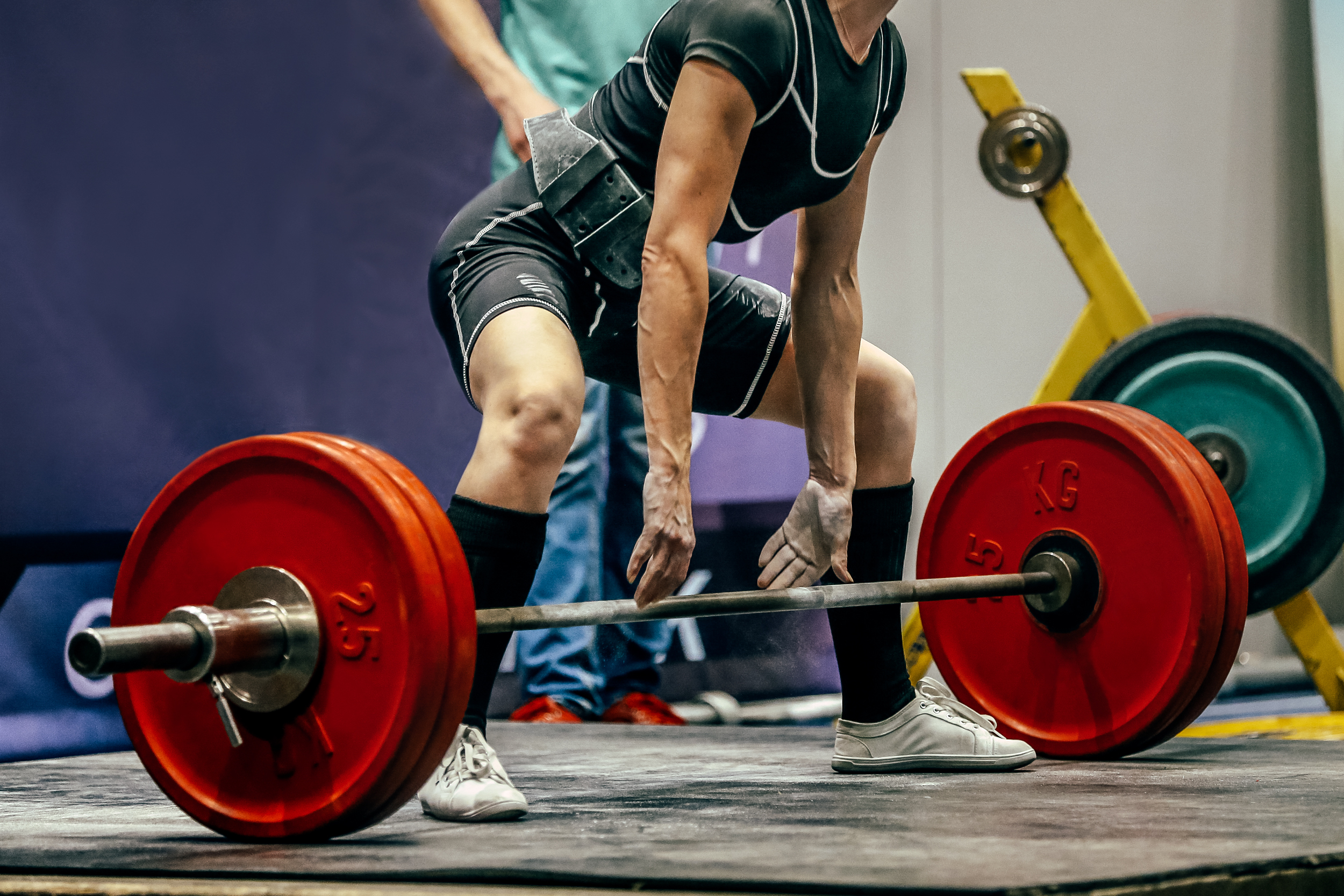
The gym’s most sacred commandment—”go heavy or go home”—just got shattered by science.
Story Highlights
- Recent studies prove lighter weights build equal muscle mass when pushed to failure
- 30-minute workout sessions twice weekly deliver significant strength and muscle gains
- Heavy lifting remains superior for pure strength but unnecessary for size gains
- Training to failure emerges as the true catalyst for hypertrophy across all weight ranges
The Death of Heavy-Only Dogma
Exercise science just delivered a knockout punch to decades of weightlifting orthodoxy. A comprehensive 2021 meta-analysis examining 28 studies with 747 participants found that muscle growth occurred equally whether people lifted heavy weights for low reps or lighter weights for high reps. The catch? Both groups had to train to or near muscle failure. This means your grandmother could theoretically build the same muscle mass with 15-pound dumbbells as a powerlifter grinding out maximum loads.
The breakthrough came from recognizing that mechanical tension, not absolute load, drives muscle protein synthesis. When lighter weights are pushed to complete muscular exhaustion, they recruit the same high-threshold motor units that heavy weights target immediately. Dr. Brad Schoenfeld, a leading researcher at Lehman College, emphasizes that workouts must challenge your body’s current capacity to produce gains, regardless of the actual poundage involved.
Time-Crunched Training Revolution
The practical implications extend far beyond weight selection. A groundbreaking 2024 study revealed that trained individuals achieved meaningful strength and muscle thickness improvements with just 30-minute sessions performed twice weekly. Nine exercises pushed to near-failure delivered results that challenge the traditional high-volume, high-frequency approach that dominates most gym programming.
Luke Pryor from the University at Buffalo explains that shorter rest periods in these abbreviated sessions create metabolic stress that amplifies the hypertrophy response. This metabolic component, combined with mechanical tension from training near failure, activates multiple pathways for muscle growth without requiring marathon gym sessions or crushing loads.
Watch:
https://www.youtube.com/watch?v=20D0EDj1RPw
The Failure Factor Changes Everything
Training to failure emerges as the great equalizer in this research revolution. When sets reach the point where another quality repetition becomes impossible, muscle fibers experience the stimulus necessary for adaptation regardless of the external load. This principle demolishes the notion that only grinding under maximum weights produces meaningful changes in muscle size.
However, specificity still matters for strength development. While muscle growth remains load-independent when training approaches failure, strength gains show a clear preference for heavier loads. The research indicates a 98.2% probability that heavy lifting produces superior strength adaptations, suggesting that powerlifters and strength athletes should maintain their high-load focus while bodybuilders enjoy newfound flexibility.
Meet My Healthy Doc – instant answers, anytime, anywhere.
Accessibility Meets Effectiveness
This paradigm shift democratizes muscle building for populations previously excluded by physical limitations or intimidation factors. Older adults, injury-prone individuals, and beginners can now pursue meaningful muscle development without navigating heavy barbells or complex powerlifting movements. The research validates moderate-load training as equally effective for hypertrophy when effort levels remain high.
The implications extend beyond individual training decisions to reshape entire fitness industry approaches. Programs emphasizing failure-based training with moderate loads offer greater accessibility while delivering equivalent results to traditional heavy-lifting protocols. This evidence-based evolution challenges gym culture’s emphasis on maximum loads while preserving the fundamental principle that meaningful adaptation requires meaningful effort.
Your instant doctor companion – online 24 hours a day.
Sources:
Prevention – 30 Minutes Weight Training Muscle Growth Study
Frontiers in Physiology – High-Volume vs High-Load Resistance Training
PMC – Load Effects on Muscle Hypertrophy Meta-Analysis
PMC – Resistance Training Variables for Hypertrophy
FAU – Muscle Growth and Strength Study
UCLA Health – Heavy Lifting Benefits for Older Adults