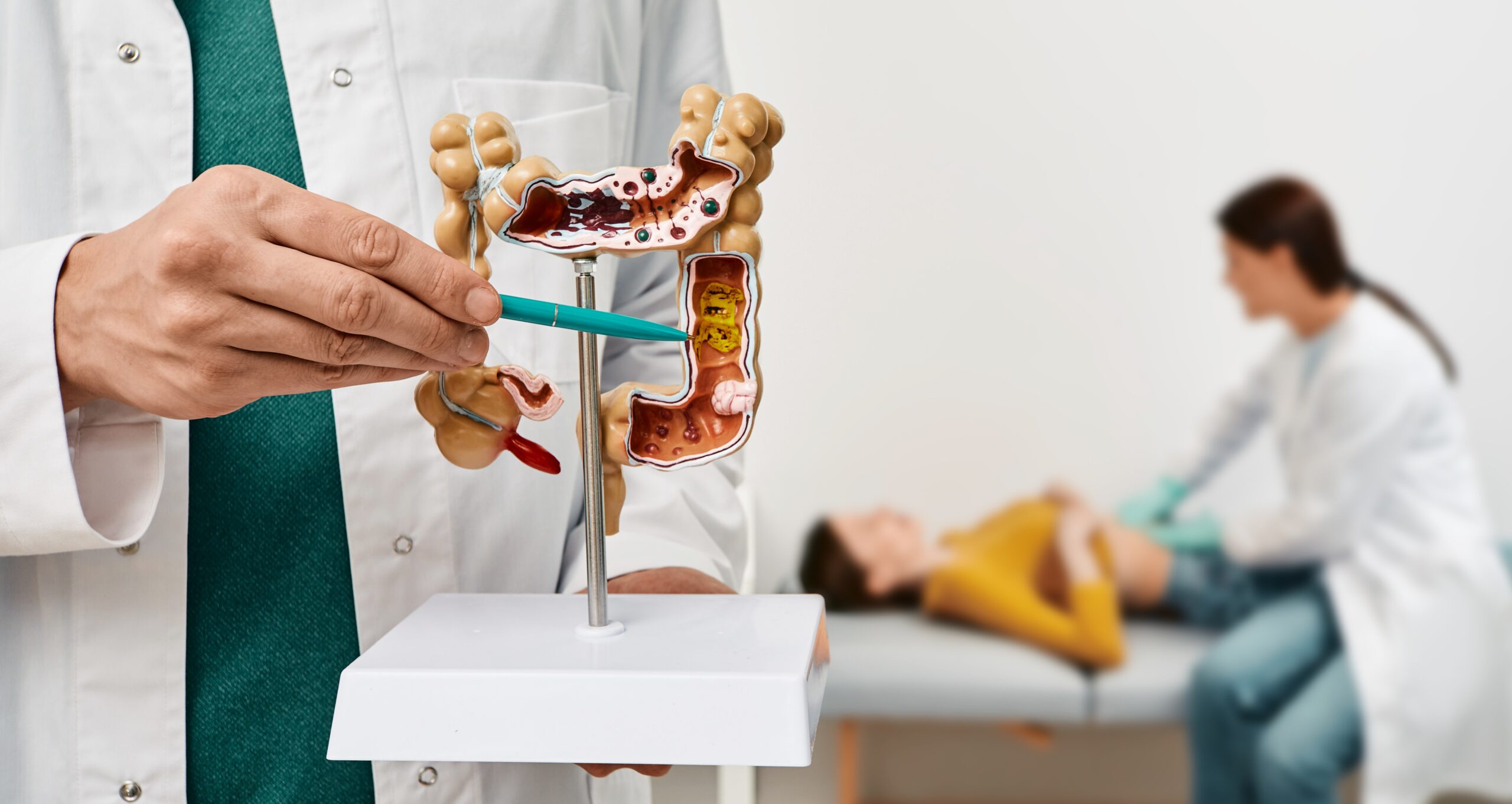
Your favorite burger could silently fuel a lifetime battle with Crohn’s disease.
Story Snapshot
- Red and processed meats in Western diets sharply elevate Crohn’s disease risk, backed by decades of research.
- Japan’s Crohn’s surge in the 1960s tracked rising animal protein consumption during Westernization.
- Plant-based foods rich in fiber offer strong protection against this inflammatory bowel condition.
- Moderation in meat intake aligns with conservative values of personal responsibility and prevention.
- Global Crohn’s rates climb in urbanized areas with processed food dominance.
Western Diets Drive Crohn’s Epidemic
Red and processed meats dominate Western dietary patterns that researchers link to higher Crohn’s disease rates. Epidemiological studies since the 1960s show these foods, loaded with saturated fats and animal proteins, inflame the intestines. Japan experienced a Crohn’s explosion as animal protein intake rose post-Westernization. Processed items like sausages tripled risk in frequent fast-food consumers. Fiber-poor meals exacerbate this trend in industrialized nations.
Clinicians observe patients flare during high-meat periods. Common sense dictates cutting back aligns with self-reliance and health stewardship, core American conservative principles. Facts from major cohorts outweigh industry pushback, urging everyday swaps like leaner proteins.
Crohn’s Disease Origins and Global Rise
Burrill Crohn identified the disease in 1932, but cases skyrocketed after World War II alongside meat and fat surges. North America and Europe report up to 300 cases per 100,000 people, far above Asia and Africa’s traditional-diet regions. Urbanization fueled processed food access, paralleling margarine’s hydrogenated fats in 1980s spikes. Genetics play a role, yet the environment dominates modifiable risks.
Prospective studies confirm independent links: red meat consumption correlates with onset, independent of smoking or other factors. Conservative wisdom favors evidence-based prevention over mandates, empowering families to adjust plates proactively.
Watch;
https://www.youtube.com/watch?v=Qc5JPv26uSc
Stakeholders Push for Dietary Shifts
Physicians Committee for Responsible Medicine labels animal protein the strongest risk factor. Crohn’s & Colitis Foundation advises moderation, noting red meat modestly boosts risk while variety aids management. Mayo Clinic researchers recommend limiting high-fat reds during flares. Gastroenterologists guide patients toward plant-forward remission strategies, as 2015 trials showed two-year success with high-fiber diets.
Food industry stakeholders resist scrutiny, prioritizing sales over health alerts. Patient advocates amplify cohort data, shaping guidelines without overreach. This balance reflects common-sense accountability, where facts inform choices without government fiat.
Watch:
https://www.youtube.com/watch?v=HVCP1CQz_rE
Protective Power of Plant-Based Choice
Fiber from fruits, vegetables, and whole grains shields against Crohn’s progression. Reviews solidify plants’ role versus meats’ proinflammatory effects. Omega-6 fats in processed foods worsen inflammation, while omega-3s calm it. CCF stresses no single food causes disease, but patterns matter profoundly.
During remission, high-fiber intake builds resilience; flares demand caution. Long-term shifts cut colon cancer odds in IBD patients, yielding healthcare savings. American conservatives appreciate this practical wisdom: invest in prevention through daily discipline, reaping family health dividends.
Sources:
https://nutritionguide.pcrm.org/nutritionguide/view/Nutrition_Guide_for_Clinicians/1342036/all/Inflammatory_Bowel_Disease
https://www.healthline.com/health/crohns-disease/nutrition-guide
https://www.crohnscolitisfoundation.org/patientsandcaregivers/diet-and-nutrition/how-diet-impacts-ibd
https://www.crohnscolitisfoundation.org/patientsandcaregivers/diet-and-nutrition/what-should-i-eat
https://www.mayoclinic.org/diseases-conditions/crohns-disease/symptoms-causes/syc-20353304
https://www.crohnsandcolitis.org.uk/info-support/information-about-crohns-and-colitis/all-information-about-crohns-and-colitis/living-with-crohns-or-colitis/food
https://www.cureus.com/articles/378494-the-role-of-diet-in-crohns-disease-from-etiology-to-evidence-based-management
https://www.webmd.com/ibd-crohns-disease/crohns-disease/ss/best-diets-crohns-disease