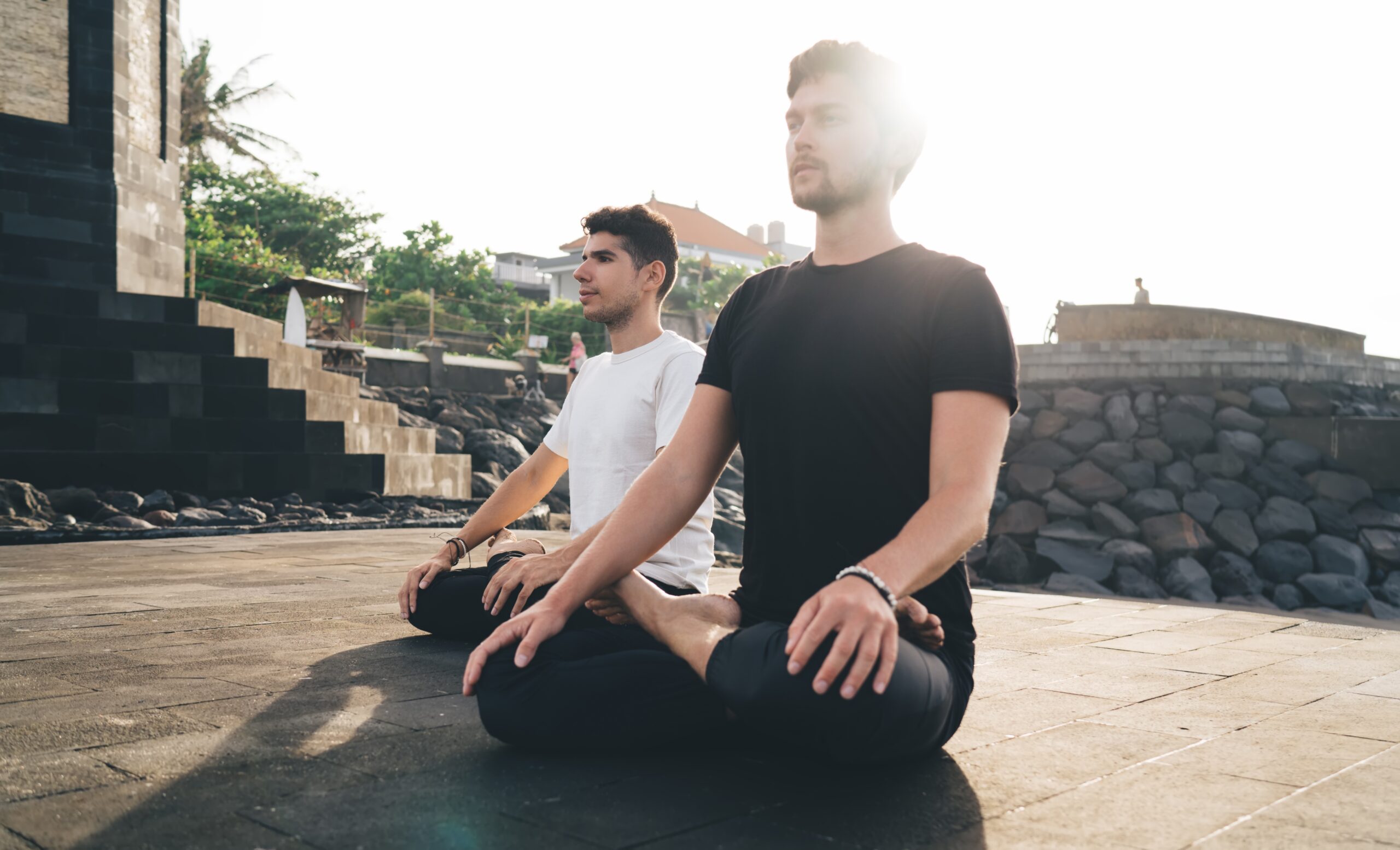
Can the simple act of taking three conscious breaths truly reset your day?
Story Snapshot
- The “Three-Breath Reset” is a modern wellness practice rooted in ancient breathwork traditions.
- Originates from pranayama, an ancient yogic practice emphasizing breath control.
- Modern breathwork evolved significantly in the 1950s-1970s amid Western counterculture.
- Short breath resets like three breaths are gaining popularity for stress relief and focus.
The Rise of Breathwork
Breathwork, particularly simplified techniques like the three-breath reset, finds its origins in ancient traditions. Dating back to circa 3000 BCE, pranayama—Sanskrit for “control of breath”—was a crucial component of yogic practices in India. These techniques aimed to cultivate prana, or life force, for health and enlightenment. While pranayama’s roots are ancient, similar practices emerged globally, such as Chinese Qigong and Tai Chi, focusing on circulating qi, or life energy.
The Western world saw a revival of breathwork in the mid-20th century, particularly through figures like Stanislav Grof and Leonard Orr. Grof developed Holotropic Breathwork after the 1966 LSD ban, using accelerated breathing and music to mimic altered states of consciousness. Orr’s Rebirthing Breathwork emerged from his experiences in a hot tub, inspired by the idea of conscious connected breathing to address birth trauma.
Three-Breath Reset: A Modern Adaptation
The “Three-Breath Reset” is a contemporary adaptation of these ancient practices, focusing on brevity and accessibility. Unlike intensive methods such as Holotropic or Rebirthing Breathwork, which aim to delve deep into consciousness and trauma, the three-breath reset offers a quick way to alleviate stress. This practice aligns with the broader wellness trend of incorporating mindfulness and stress relief into daily life through apps and challenges.
Pranayama emphasizes rhythmic nasal breathing, which can calm the mind and body. The three-breath reset borrows this principle, offering a brief but effective method to enhance focus and reduce anxiety. In a world where stress is prevalent, such micro-practices are gaining traction for their ability to provide immediate relief.
Watch:
https://youtu.be/MTZSD6GiOdY?si=gxJo7BuiyH5CdAvK
Stakeholders and Influencers
Several key figures have shaped the evolution of breathwork into its current forms. Stanislav Grof and Christina Grof, pioneers of Holotropic Breathwork, have significantly influenced modern practices. Leonard Orr, with his Rebirthing Breathwork, emphasized the healing potential of connected breathing for trauma. Konstantin Buteyko’s method focused on reduced breathing for respiratory health, providing a medical perspective on breath control.
These individuals laid the groundwork for contemporary practices, which are now adapted and popularized by figures like Wim Hof and Patrick McKeown. Their influence extends across wellness industries, from yoga and mindfulness to therapeutic settings, highlighting the versatility and impact of breathwork.
Implications and Industry Impact
The three-breath reset and similar practices have notable implications for both individuals and the wellness industry. In the short term, they offer a simple yet effective way to manage stress and improve focus. Long-term benefits include emotional regulation, trauma release, and respiratory health improvements, potentially reducing reliance on medication for conditions like asthma.
The wellness industry, valued at over $4 billion, thrives on such accessible practices. Breathwork’s integration into apps and coaching democratizes ancient techniques, making them available to a broader audience. While the political impact remains minimal beyond historical contexts like the 1960s LSD ban, the social and economic influence of breathwork continues to grow, shaping therapeutic and fitness industries alike.
Sources:
Breathless Expeditions
Alchemy of Breath
Morning Mindfulness
Isabel Tew
O-P-E-N
Wikipedia
Synergy Clinic
Mana Breathwork
Carol MacRae
Better Breathe App