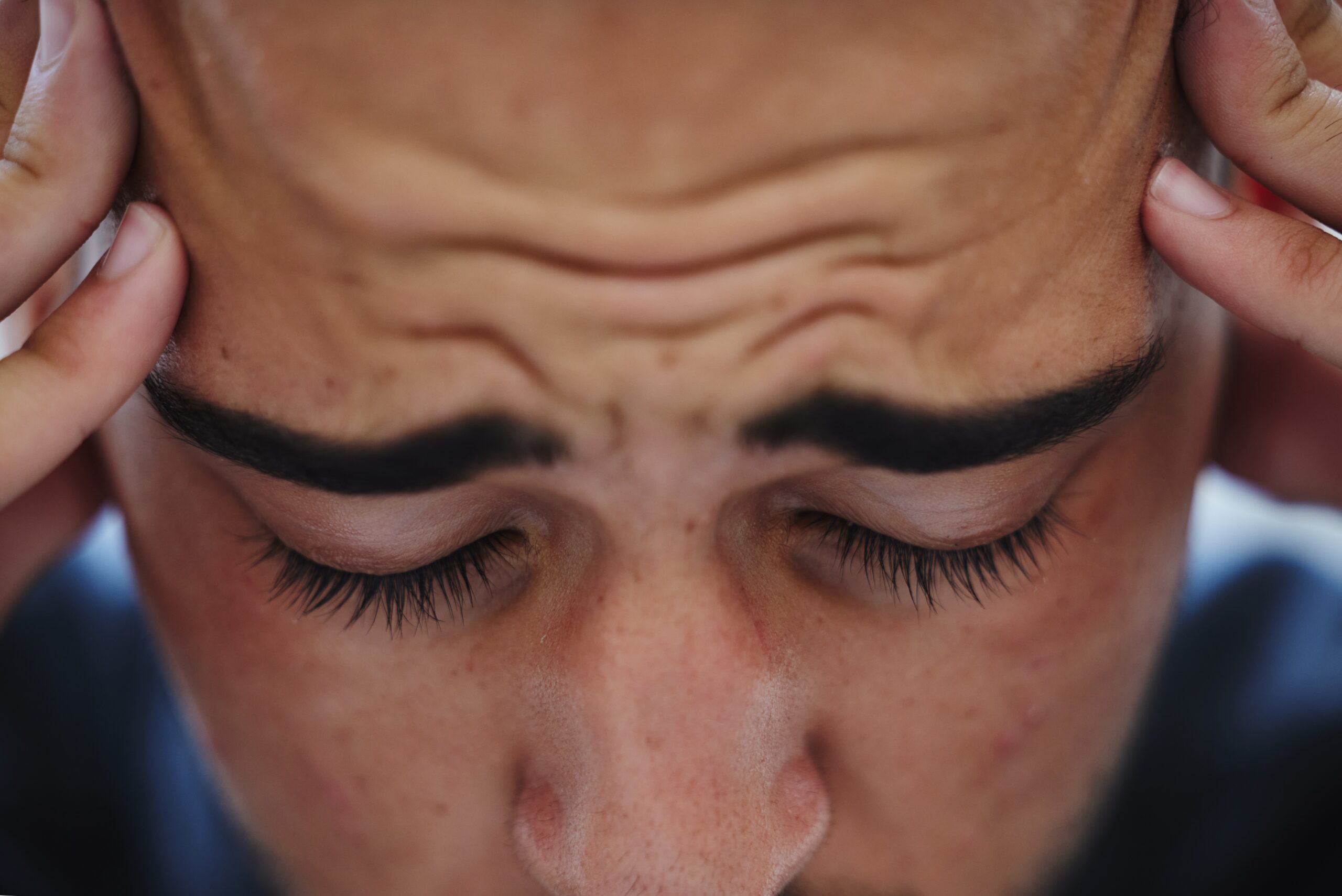
Every other American walking down the street carries a neurological condition that could reshape their entire life, yet most don’t even know they’re part of an epidemic hiding in plain sight.
Story Snapshot
- 180 million Americans—54% of the population—live with neurological disorders, making them the leading cause of health loss in the United States
- Common tension headaches and migraines affect 122 million and 58 million Americans respectively, while stroke and Alzheimer’s drive the highest disability rates
- Neurological conditions start earlier than expected due to rising diabetes complications, contradicting assumptions about age-related onset
- The United States has higher neurological disorder rates than the global average of 43%, creating unprecedented healthcare challenges
The Staggering Scale of America’s Hidden Health Crisis
The numbers tell a story that medical professionals are still grappling to understand. According to a comprehensive 2025 analysis published in JAMA Neurology, neurological disorders have become the primary driver of health loss across America. This systematic study, spanning data from 1990 to 2021, reveals that what many consider minor inconveniences—like tension headaches—actually represent massive public health challenges when viewed at population scale.
Dr. John Ney from Yale University, the study’s lead author, expressed surprise at discovering the 54% prevalence rate exceeded global averages significantly. The research tracked 36 different neurological conditions using disability-adjusted life-years, a metric that captures both mortality and quality of life impacts. Stroke leads the disability rankings with 3.9 million DALYs, followed by Alzheimer’s disease at 3.3 million, diabetic neuropathy at 2.2 million, and migraine at 2.1 million.
Watch:
https://www.youtube.com/watch?v=wahzOvDmzLA
Why Your Daily Headache Matters More Than You Think
Tension-type headaches affect 122 million Americans, making them the most prevalent neurological condition by sheer numbers. These aren’t just minor annoyances—they represent a fundamental shift in how we understand neurological health. When combined with the 58 million Americans suffering from migraines, headache disorders alone touch the lives of over half the adult population. The economic and social implications extend far beyond individual discomfort, affecting workplace productivity, family relationships, and healthcare resource allocation.
The data reveals that neurological conditions don’t discriminate by age as previously assumed. Diabetic neuropathy, affecting 17 million Americans, demonstrates how metabolic diseases create neurological complications earlier in life. This intersection between diabetes and nerve damage represents a growing trend where lifestyle-related conditions trigger neurological symptoms decades before traditional age-related onset. The American Academy of Neurology emphasizes this finding challenges conventional wisdom about when neurological problems begin.
Meet My Healthy Doc – instant answers, anytime, anywhere.
The Aging Population Amplifies an Already Massive Problem
Americans over 80 face the highest neurological burden, with rates reaching 32,928 DALYs per 100,000 people. This demographic reality creates a compounding effect as baby boomers age into their highest-risk years. Despite stable age-adjusted prevalence rates showing only a 0.2% decline from 1990 to 2021, absolute case numbers continue climbing due to population growth and increased longevity.
The disability-adjusted life-years increased by 55% between 1990 and 2021, primarily driven by an aging population rather than worsening disease rates. Interestingly, deaths from neurological conditions decreased by 15% during this same period, while years lived with disability rose by 10%. This pattern suggests medical advances keep people alive longer with neurological conditions, but don’t necessarily restore their quality of life to pre-disease levels.
America’s Neurological Burden Exceeds Global Norms
The United States stands out globally with its 54% prevalence rate compared to the worldwide average of 43%. This disparity stems largely from higher rates of tension headaches and migraines among Americans, though researchers haven’t definitively identified the underlying causes. Lifestyle factors, stress levels, dietary patterns, and environmental exposures likely contribute to this elevated burden, but more research is needed to establish clear causal relationships.
Dr. Jaimie Steinmetz from the Institute for Health Metrics and Evaluation points to this disproportionate disability share as justification for increased investment in neurological care and prevention programs. The research calls for policy changes that address equitable access to care, particularly given that state-level variations show up to 7.5-fold differences in neurological disease burden. These geographic disparities suggest that where you live significantly influences your neurological health outcomes.
Your instant doctor companion – online 24 hours a day.
Sources:
The Burden of Neurological Diseases in the United States
One in two people in the US is affected by a neurological disease or disorder
The massive, hidden burden of neurological disorders
JAMA Neurology Article on US Neurological Conditions