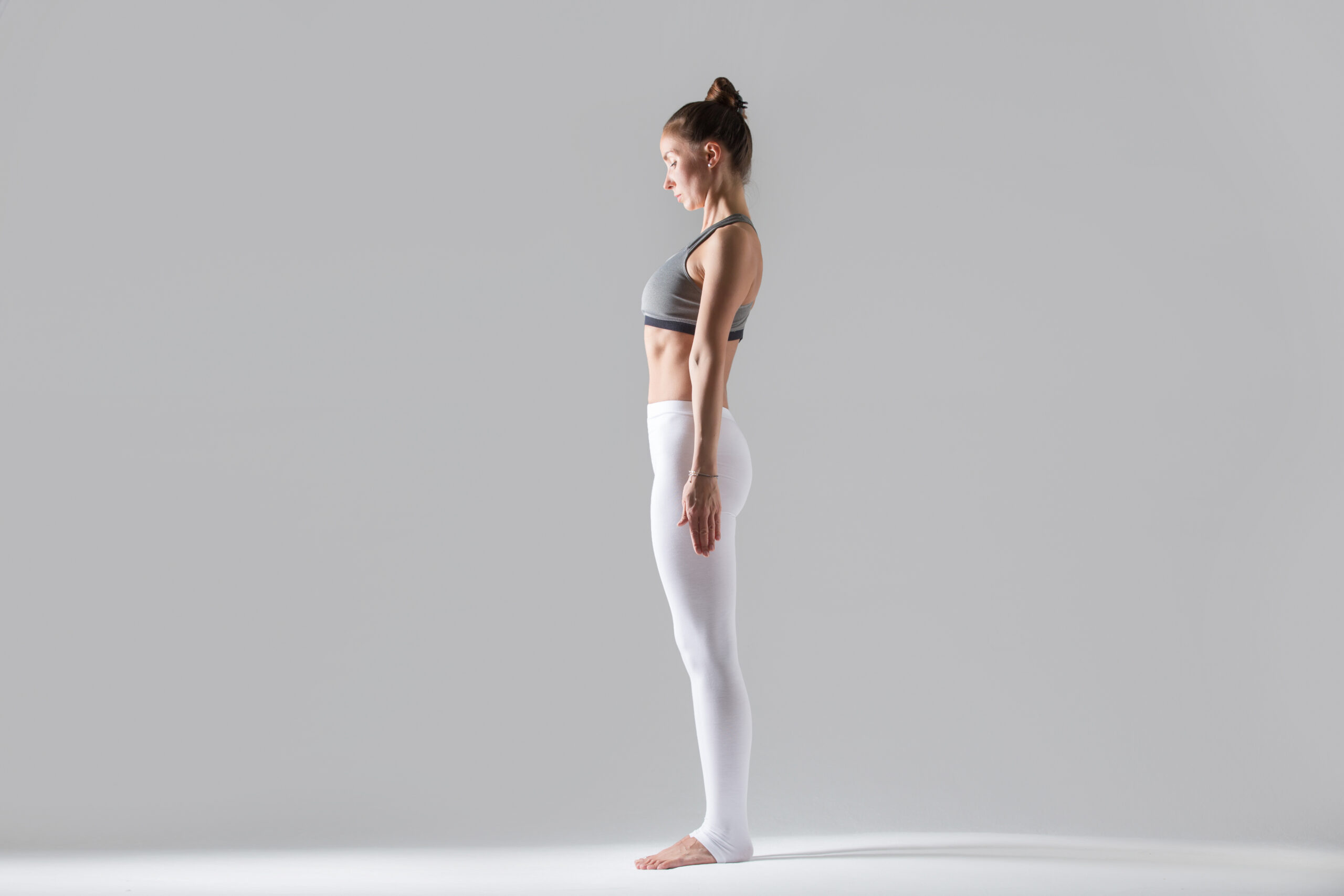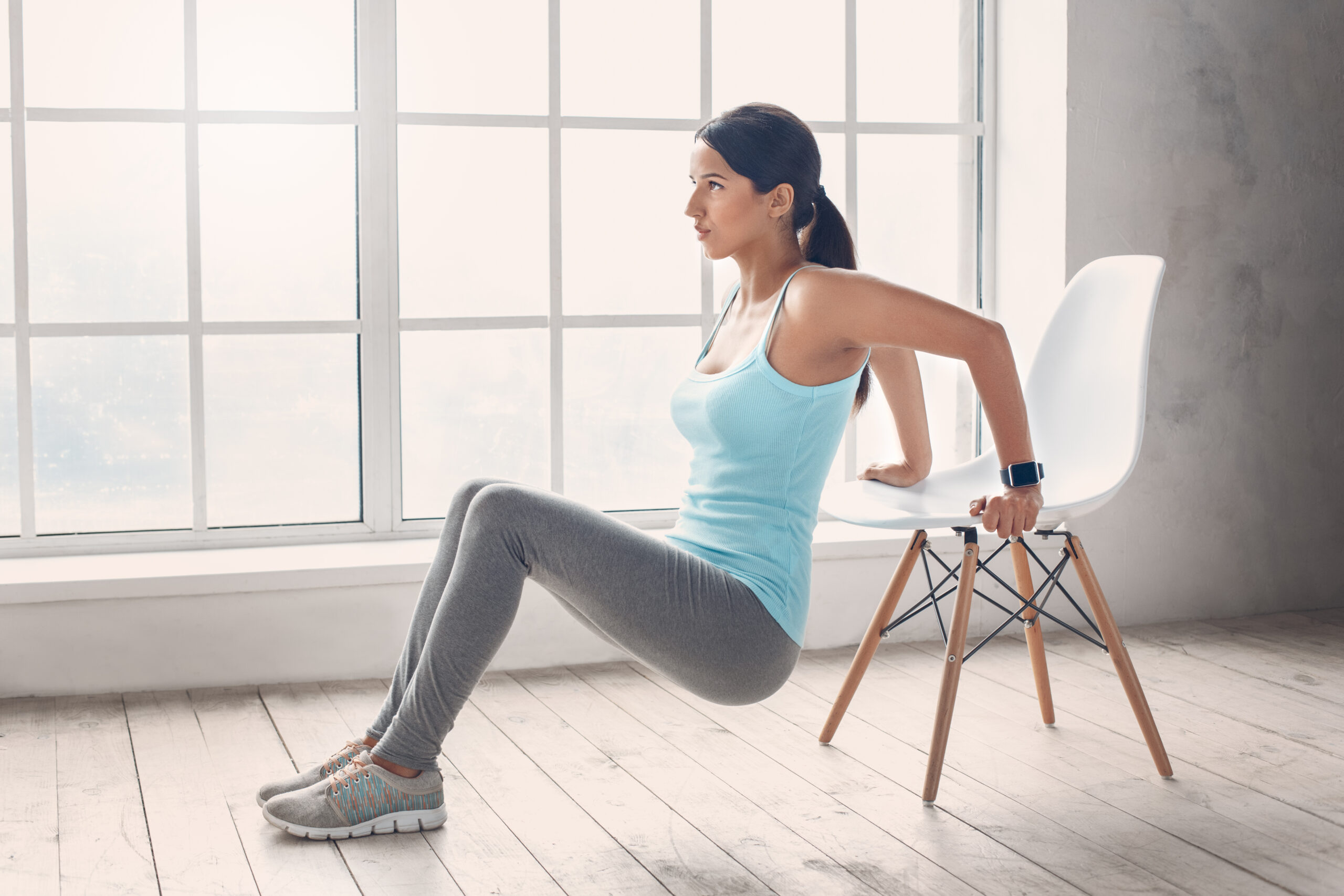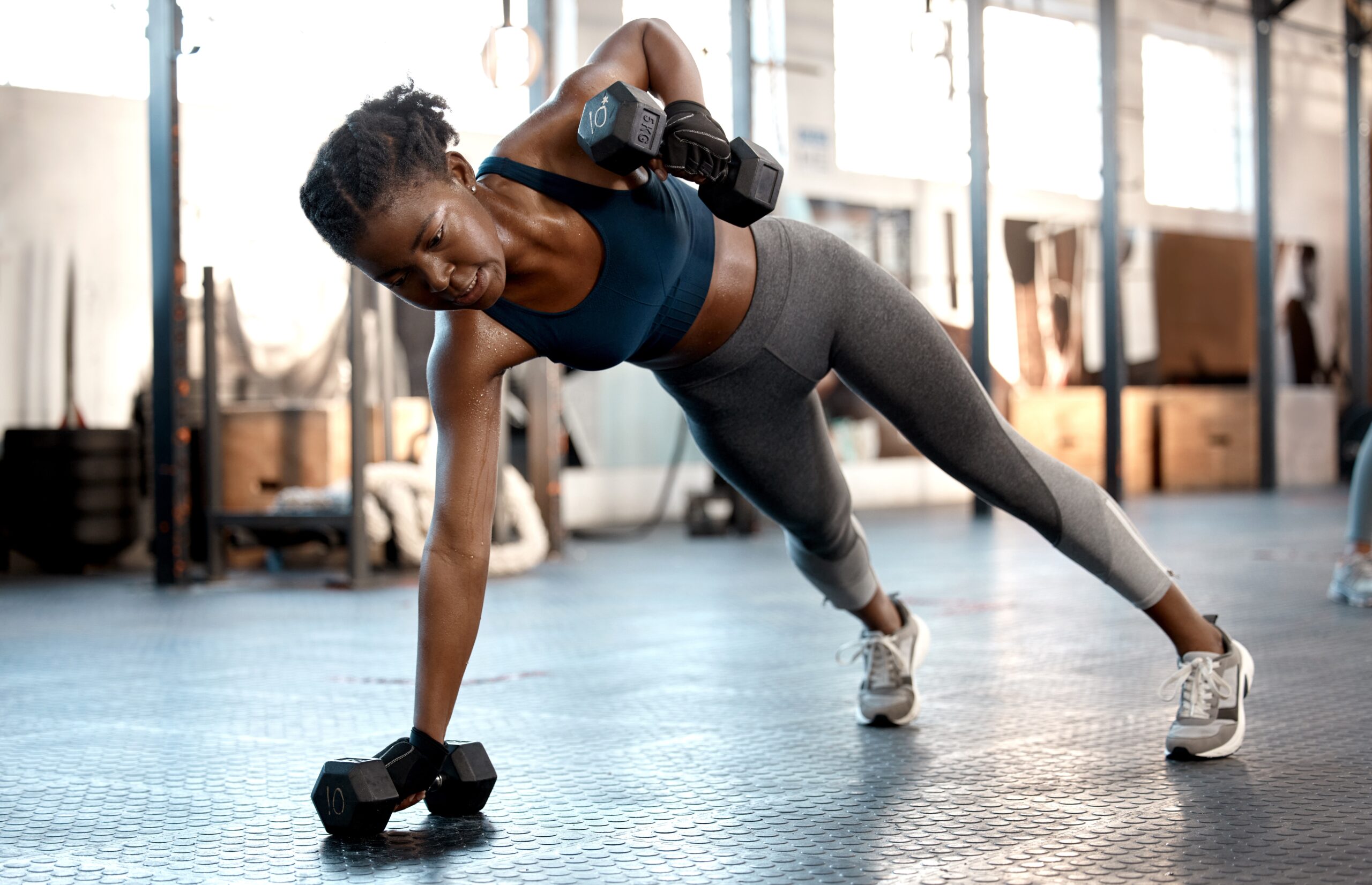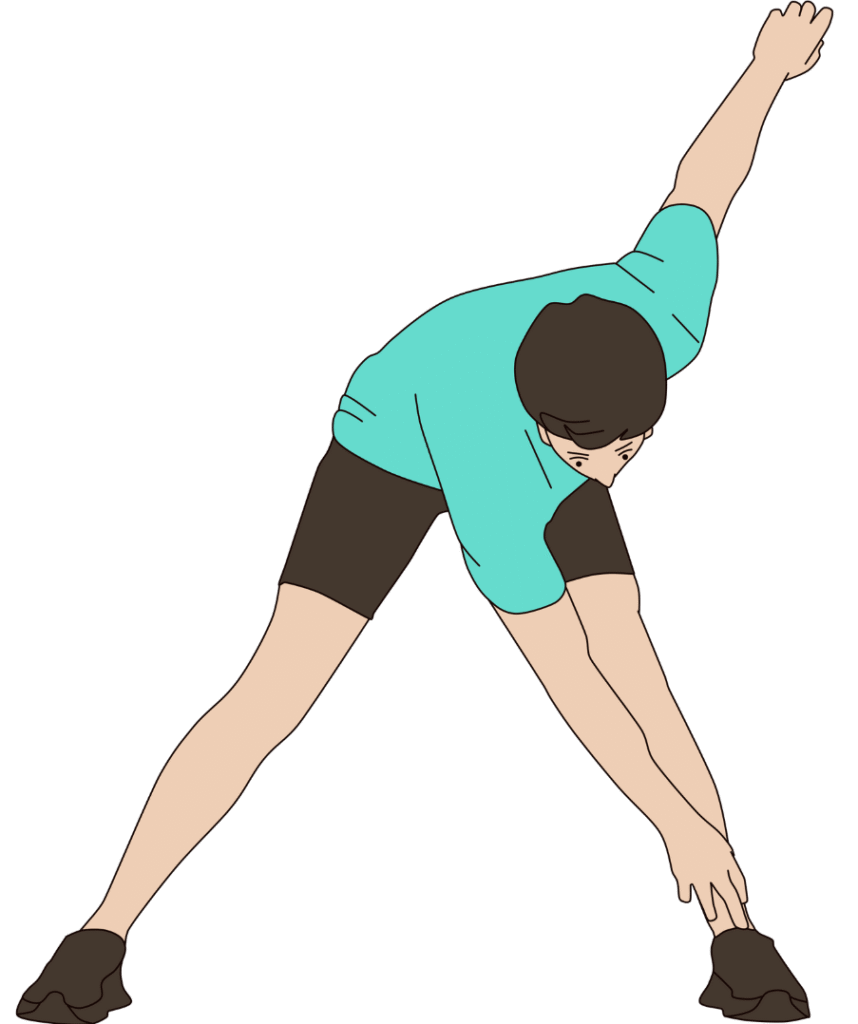
Ancient warriors discovered something modern gyms are still trying to replicate: the perfect marriage of strength, grace, and functional power using nothing but their own bodyweight.
Story Overview
- Calisthenics traces back 2,500 years to Spartan warriors and Greek Olympic athletes who used bodyweight training for battle preparation
- The practice evolved through military conditioning and school PE programs before exploding into a global street workout movement via YouTube in 2008
- Modern calisthenics combines ancient wisdom with evidence-based training, offering beginners accessible strength building without expensive equipment
- Today’s movement spans from basic home workouts to competitive sport federations, supported by apps and urban calisthenics parks
Ancient Warriors Perfected What We’re Rediscovering
The Greek term “kallos” meaning beauty and “sthenos” meaning strength reveals the original intent behind calisthenics. Spartan armies practiced these exercises before the legendary Battle of Thermopylae in 480 BCE, preparing warriors for combat through movements that built both physical capability and mental discipline. Alexander the Great’s armies carried these training methods across continents, spreading bodyweight conditioning throughout the ancient world.
Similar practices emerged independently across cultures. Shaolin monks developed bodyweight drills as part of kung fu training for temple defense, while Persian warriors used the zurkhaneh system combining calisthenic movements with traditional strength training. Roman gladiators relied on demanding bodyweight conditioning to develop the speed and agility needed for arena survival.
From Battlefield to Classroom: The Educational Revolution
The 19th century transformed calisthenics from warrior training into organized education. German educators Friedrich Ludwig Jahn and Adolf Spiess, along with Sweden’s Pehr Henrik Ling, systematized bodyweight exercises within formal physical education programs. This period marked calisthenics becoming socially acceptable exercise for women, emphasizing posture and health alongside dancing and riding.
The “physical culture” movement elevated bodyweight training beyond mere exercise, promoting moral character and national strength through disciplined movement. Military training through both World Wars embedded calisthenic circuits into standard conditioning protocols, while public health campaigns used these routines to promote fitness without requiring gym access. Schools nationwide adopted bodyweight programs as core physical education curriculum.
The YouTube Revolution and Street Workout Culture
Calisthenics nearly disappeared during the late 20th century commercial gym boom, then exploded back into prominence through an unexpected channel: urban playgrounds and YouTube videos. In 2008, Hannibal Lanham, known as “Hannibal for King,” began showcasing advanced park workouts that captivated global audiences. His muscle-ups, human flags, and lever progressions demonstrated bodyweight training’s true potential.
The street workout movement formalized quickly. By 2011, organizations like the World Street Workout and Calisthenics Federation established competition standards and international events. Cities began installing dedicated calisthenics parks, while apps and online programs guided newcomers through structured progressions. What started as underground urban culture became mainstream fitness methodology.
Watch:
https://www.youtube.com/watch?v=vczr0WuYK9g
Science Meets Ancient Wisdom: Modern Benefits
Contemporary research validates what ancient warriors understood intuitively. Calisthenics provides effective resistance training through progressive overload using leverage, volume, and unilateral work rather than external weights. Studies show significant improvements in strength, muscle mass, and functional capacity, particularly for beginners and intermediate practitioners seeking metabolic health benefits.
The functional movement emphasis aligns perfectly with current fitness trends prioritizing mobility and body control over isolated muscle development. Unlike traditional weightlifting, calisthenics develops coordination and proprioception through compound movements that translate directly to daily activities and athletic performance.
Meet My Healthy Doc – instant answers, anytime, anywhere.
Getting Started: From Ancient Principles to Beginner Practice
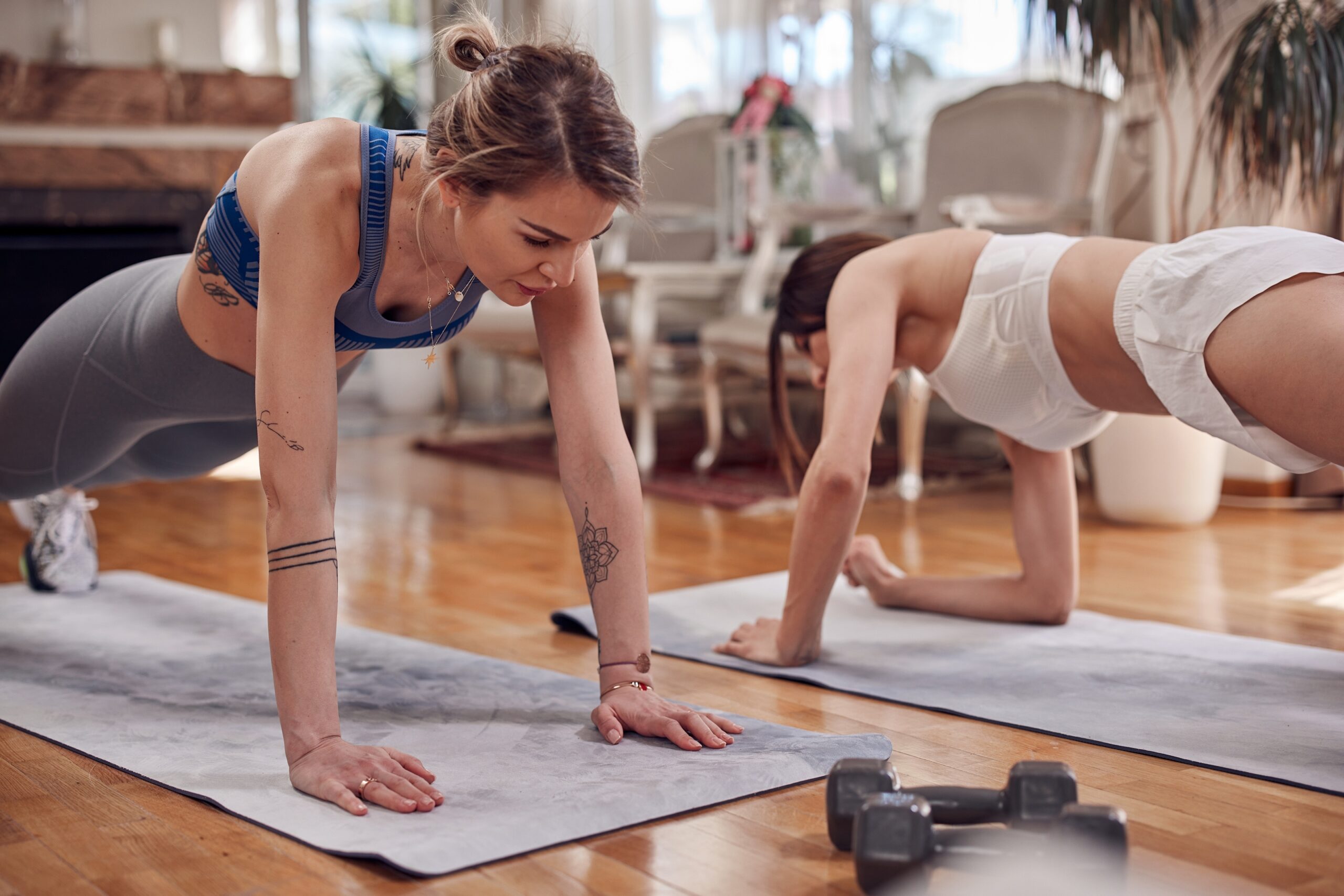
Modern calisthenics maintains its ancient accessibility while incorporating evidence-based progression principles. Beginners benefit from the same scalability that made bodyweight training effective for diverse populations throughout history. Basic movement patterns including push-ups, squats, and planks can be modified for any fitness level, then progressed toward advanced skills as strength and coordination develop. The beauty of beginning calisthenics lies in its democratic nature. No gym membership, minimal equipment, and infinite scalability make this training method available to anyone with floor space and determination.
Start your health journey now.
Sources:
EBSCO Research Starters: Calisthenics
Gravity Fitness: The History of Calisthenics in a Timeline
KingsBox: Calisthenics Professional Guide
Primal Gym: Discovering the Power and History of Calisthenics
Wikipedia: Calisthenics
PMC: Mind-Body Exercise Research
Calisteniapp: History of Calisthenics
Red Bull: Complete Guide to Calisthenics