A nutritional psychiatrist’s morning sip of green tea unlocks sharper memory and calm focus, defying the coffee crash that fogs millions of brains daily.
Story Snapshot
- Green tea’s L-theanine and caffeine synergy boosts attention and multitasking without jitters.
- Antioxidants in polyphenol-rich drinks protect against cognitive decline and Alzheimer’s risk.
- Nutritional psychiatry links the gut-brain axis to mood via simple daily beverages.
- Coffee offers alertness but risks crashes; berries and kombucha provide alternatives.
- Evidence supports hydration and natural juices over sugary drinks for long-term brain health.
Nutritional Psychiatrist Reveals Core Morning Ritual
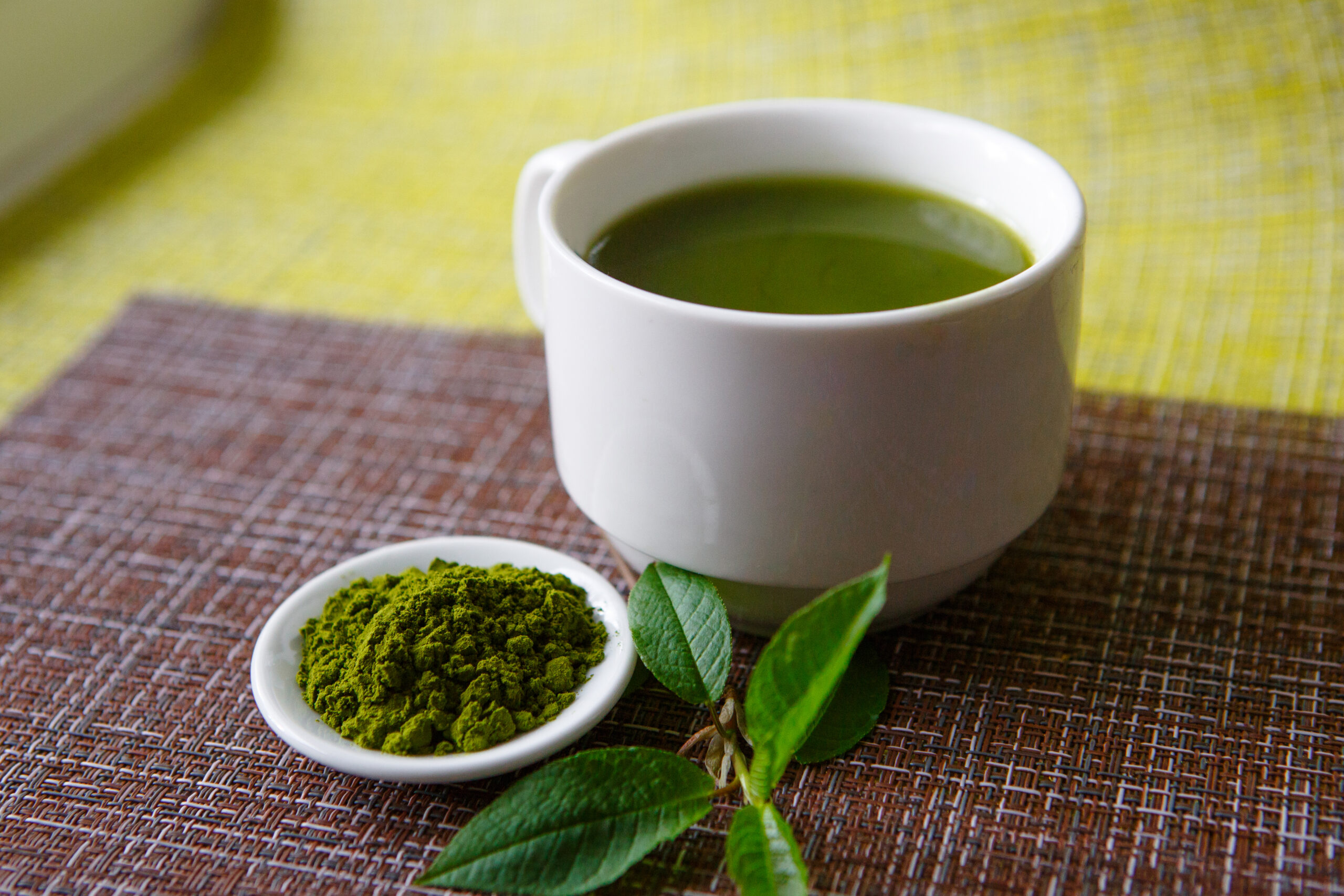
Nutritional psychiatrists recommend green tea as the optimal morning drink. L-theanine in green tea pairs with caffeine to enhance memory, attention, and multitasking. This combination delivers calm alertness. Studies confirm reduced anxiety and neuroprotection from its polyphenols and amino acids. Experts like those at Bryant University endorse this over caffeine-heavy options that spike then crash energy levels.
America’s 75% daily coffee drinkers face adenosine blockade for short-term mood lifts. Long-term, coffee links to lower Alzheimer’s and stroke risks. Green tea avoids the overuse crash noted by health educators. This choice aligns with common sense: steady brain fuel supports conservative values of self-reliance through evidence-based habits.
Science Behind Brain-Boosting Beverages
Green tea originated in Chinese medicine for focused calm. Modern nutritional psychiatry, emerging post-2010s, ties it to gut-brain axis benefits. L-theanine, discovered in 1949, promotes neurotransmitter balance. Polyphenols reduce inflammation linked to cognitive fog. Pomegranate juice trials show verbal memory gains after one month in older adults.
COVID-19 accelerated mental health focus on diet. WebMD highlights greens’ folate and lutein slowing decline. Beverages address work stress for professionals and students. Bryant University’s Cheryl Brock pushes berries and citrus for flavonoids, cautioning caffeine-induced anxiety.
Meet My Healthy Doc – instant answers, anytime, anywhere.
Top Drinks Ranked by Cognitive Impact
Green tea leads with no noted drawbacks. Coffee blocks adenosine for alertness but risks crashes if overdone. Berry smoothies deliver anthocyanins for memory, though store-bought versions pack sugar. Kombucha aids cognition via probiotics and polyphenols, despite fermentation variability. Hydration via infused water prevents fatigue baseline.
Watch:
https://youtube.com/shorts/r9F-tXMaPb0?si=SggaJOEdhK2OuBsX
Stakeholders include experts educating on evidence, media driving wellness traffic, and beverage sellers marketing cognitive claims. Academics hold sway through studies; industry follows with low-sugar options. Consensus favors antioxidants over artificially sweetened drinks tied to dementia risks.
Got a health question? Ask our AI doctor instantly, it’s free.
Practical Steps for Daily Brain Optimization
Start mornings with green tea to harness L-theanine-caffeine synergy. Add berry smoothies mid-day for anti-inflammatory support. Limit coffee to avoid crashes, prioritizing natural sources. Nutritional psychiatry proves small swaps yield big gains in focus and mood. Aging populations benefit most from dementia-protective patterns. Common sense dictates ditching sugary sodas for these proven elixirs.
Short-term, expect improved multitasking; long-term, reduced neurodegenerative risks. The wellness market grows as the public shifts to functional drinks. Experts uniformly back polyphenols’ role, with minor debates on caffeine versus probiotics. This psychiatrist-endorsed routine empowers mental clarity without gimmicks.
Chat safely, anytime, with My Healthy Doc.
Sources:
https://beverageuniverse.com/blog/post/beverages-for-brain-health-drinks-that-boost-cognitive-function.html
https://news.bryant.edu/slammed-work-these-8-foods-drinks-can-boost-brain-function-memory-retention
https://www.webmd.com/brain/ss/slideshow-brain-boosting-beverages