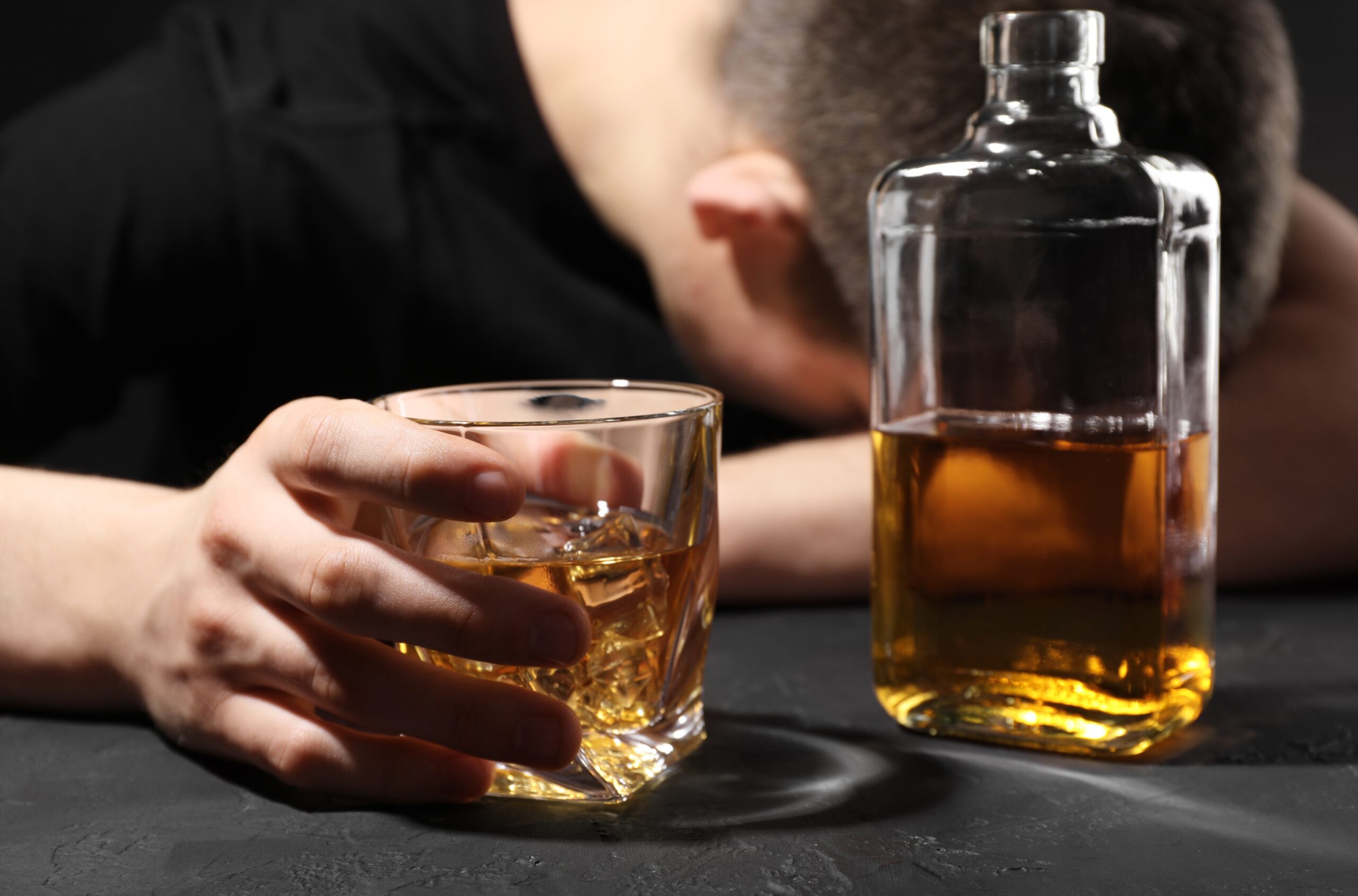
Your next drink could unleash a cascade of damage that transforms your gut into a leaky, inflamed battleground where harmful bacteria thrive and toxins flood your bloodstream.
Story Overview
- Alcohol breaks down gut barrier integrity, creating “leaky gut” that allows toxins to enter the bloodstream
- Even single binge drinking episodes can rapidly disrupt the microbiome and promote harmful bacterial overgrowth
- The gut-liver axis creates a vicious cycle where alcohol damage spreads from digestive tract to vital organs
- Recovery happens surprisingly fast with abstinence, but requires strategic interventions to rebuild gut health
The Immediate Assault on Your Gut Barrier
Alcohol acts like a molecular wrecking ball against your intestinal lining. Dr. Stephanie Rutledge, a gastroenterologist and hepatologist at NewYork-Presbyterian, explains that alcohol’s toxic metabolites directly attack the tight junctions between intestinal cells. These microscopic seals normally prevent harmful substances from entering your bloodstream, but alcohol loosens them within hours of consumption, creating what researchers call increased intestinal permeability.
The damage accelerates dramatically with binge drinking or consuming alcohol on an empty stomach. Dr. Jason Korenblit, a Florida gastroenterologist, notes that alcohol hits every layer of the digestive tract, from the stomach lining to the colon. This comprehensive assault explains why people experience immediate symptoms like bloating, diarrhea, heartburn, and what doctors colloquially term “booze butt.”
Why Alcohol Sabotages Your Gut Health & How To Get Back On Track – mindbodygreen https://t.co/QjGbKopZwq
— Jason Birch (@JasonBirch0916) December 31, 2025
Bacterial Warfare in Your Microbiome
Alcohol fundamentally alters the composition of gut bacteria, creating an environment where harmful microorganisms flourish. Research published in the National Institutes of Health database reveals that alcohol promotes the overgrowth of gram-negative bacteria, which release endotoxins called lipopolysaccharides. These toxins trigger inflammatory responses that cascade throughout the body, creating a self-perpetuating cycle of damage.
The disruption leads to small intestinal bacterial overgrowth (SIBO), where bacteria multiply in areas of the digestive tract where they shouldn’t exist in large numbers. This bacterial misplacement causes gas production, nutrient malabsorption, and chronic digestive distress that can persist long after the last drink. MD Anderson Cancer Center researchers emphasize that these microbiome changes don’t just affect digestion—they influence immune function, mood regulation, and even cancer risk.
Meet My Healthy Doc – instant answers, anytime, anywhere.
The Gut-Liver Connection Creates Systemic Havoc
The relationship between gut damage and liver disease reveals alcohol’s most insidious mechanism of harm. When the intestinal barrier becomes permeable, bacterial endotoxins travel directly to the liver through the portal circulation. This creates a toxic burden that overwhelms the liver’s detoxification capacity, leading to inflammation, fatty deposits, and eventually cirrhosis.
Studies show that people with alcohol-induced intestinal permeability face a 40-fold increased risk of liver disease compared to those who maintain gut barrier integrity. The inflammation doesn’t stop at the liver—it spreads systemically, affecting the brain through neuroinflammation pathways that contribute to anxiety, depression, and cognitive decline. Guts UK research indicates this process also increases the risk of gastrointestinal cancers and inflammatory bowel conditions.
Watch:
https://youtu.be/gxx80wtZ4h8?si=PKEl2AjTGX_7azRi
Chat safely, anytime, with My Healthy Doc.
The Surprising Speed of Recovery
Despite the extensive damage alcohol inflicts on gut health, the recovery process can begin remarkably quickly with complete abstinence. Dr. Rutledge emphasizes that the microbiome demonstrates impressive resilience, with beneficial bacteria populations rebounding within weeks of stopping alcohol consumption. The tight junctions in the intestinal wall also begin repairing themselves once the toxic assault ends.
Strategic interventions can accelerate this healing process. Research shows that vitamin D supplementation helps protect and restore the intestinal barrier, while probiotics and prebiotic-rich foods support the growth of beneficial bacteria. Avoiding alcohol on an empty stomach and limiting binge drinking episodes can prevent the most severe acute damage. Dr. Rutledge notes that patients who commit to liver-friendly lifestyle changes for just one month often see measurable improvements in their gut health markers.
Start your health journey now.
Sources:
NewYork-Presbyterian Health Matters – How Does Alcohol Impact the Gut Microbiome?
PMC – Alcohol and the Intestinal Tract
Guts UK – Alcohol & the Digestive System
Fox News – Doctors Reveal Why Alcohol Causes ‘Booze Butt’
MD Anderson Cancer Center – How Does Alcohol Affect the Microbiome