Wegovy, a higher-dose evolution of semaglutide, marks a groundbreaking shift from diabetes treatment to a dedicated obesity solution.
Story Overview
- Wegovy emerged from semaglutide, initially developed for type 2 diabetes as Ozempic.
- FDA approved Wegovy in June 2021, marking a pivotal moment in obesity treatment.
- Wegovy’s efficacy is over twice that of previous weight-loss drugs.
- Post-pandemic demand highlights the urgency of addressing the obesity crisis.
The Journey from Ozempic to Wegovy
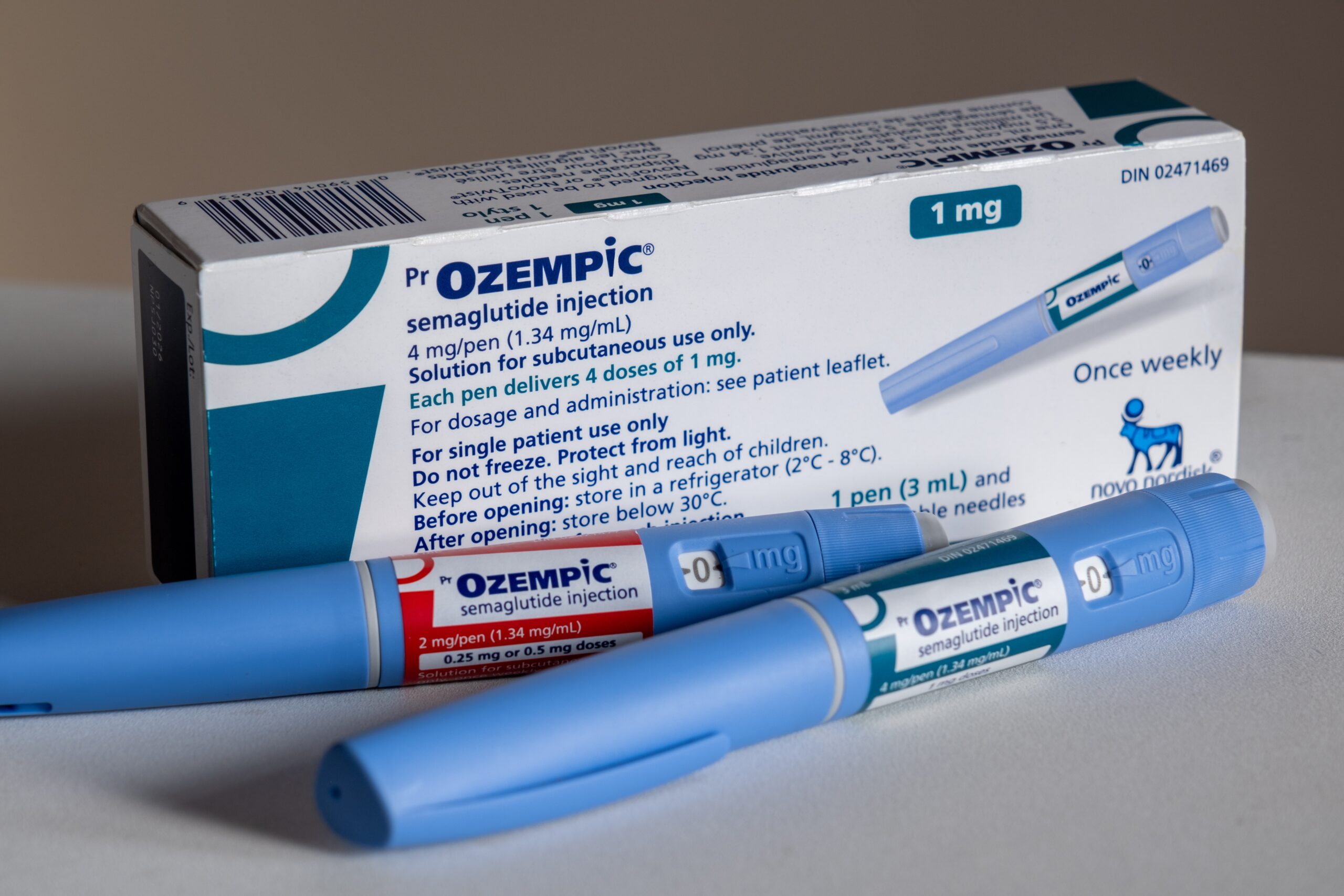
Novo Nordisk developed semaglutide in the early 2000s as a GLP-1 agonist, initially targeting type 2 diabetes. Branded as Ozempic, it gained popularity after its 2017 FDA approval. However, during clinical trials, researchers noticed a compelling side effect: significant weight loss. This unexpected outcome led to the development of Wegovy, a higher-dose version specifically designed for weight management, which the FDA approved for obesity treatment in June 2021.
The transformation from Ozempic to Wegovy underscores the pharmaceutical pivot to address obesity, a condition that has seen a dramatic rise due to increasingly sedentary lifestyles exacerbated by the COVID-19 pandemic. The efficacy of Wegovy, showing over twice the weight-loss results compared to previous medications, has made it a cornerstone in the fight against obesity.
Key Developments and Approvals
The approval of Wegovy by the FDA in 2021 was a game-changer, with subsequent European approval following in January 2022. However, the demand for Wegovy quickly outpaced supply, leading to production shortages. In December 2025, Novo Nordisk received FDA approval for an oral version of Wegovy, expanding its accessibility to patients who prefer not to take injections. These developments highlight the rapid adoption and transformative impact of Wegovy in weight management.
The rising popularity of GLP-1 agonists for weight loss has also sparked competition among pharmaceutical companies. Eli Lilly, a major competitor, is advancing with its drug, tirzepatide, which demonstrated even greater efficacy in clinical trials. This race for innovation underscores the competitive dynamics in the pharmaceutical industry as companies vie for dominance in the lucrative weight-loss market.
Watch:
https://www.youtube.com/watch?v=tzQYkPHsh60
Find out if GLP 1 medication is right for you.
Impacts on Stakeholders and the Industry
Novo Nordisk, the developer and marketer of Wegovy, has seen its market valuation soar, becoming Europe’s most valuable company post-Wegovy launch. This success reflects the global demand for effective weight-loss solutions. However, the rapid adoption of Wegovy has also led to shortages for diabetes patients relying on Ozempic, highlighting a critical supply chain challenge.
Economic impacts are significant, with GLP-1 prescriptions surging by 300% from 2018 to 2023. Meanwhile, insurers remain hesitant to cover the high costs of these medications, raising concerns about equitable access. The social and political implications of Wegovy’s success also draw attention to the broader obesity epidemic and the need for accessible, long-term treatment options.
Meet My Healthy Doc – instant answers, anytime, anywhere.
Future Prospects and Challenges
While Wegovy represents a breakthrough in weight management, challenges remain. The risk of weight regain post-discontinuation is a significant concern, with an average of 67% of lost weight returning. Moreover, side effects such as nausea need careful management to ensure patient adherence. The industry’s focus is now shifting towards developing next-generation multi-agonist drugs that promise even greater efficacy.
As the fight against obesity continues, Wegovy’s success story serves as both an inspiration and a challenge for future innovations. With ongoing research and development, the hope is to create more effective, accessible treatments that can offer sustained weight management solutions for millions worldwide.
Your instant doctor companion – online 24 hours a day.
Sources:
TecEx Medical
MUSC
Innovative RX Strategies
Wikipedia
PMC
UCSF Magazine
Primary Immune