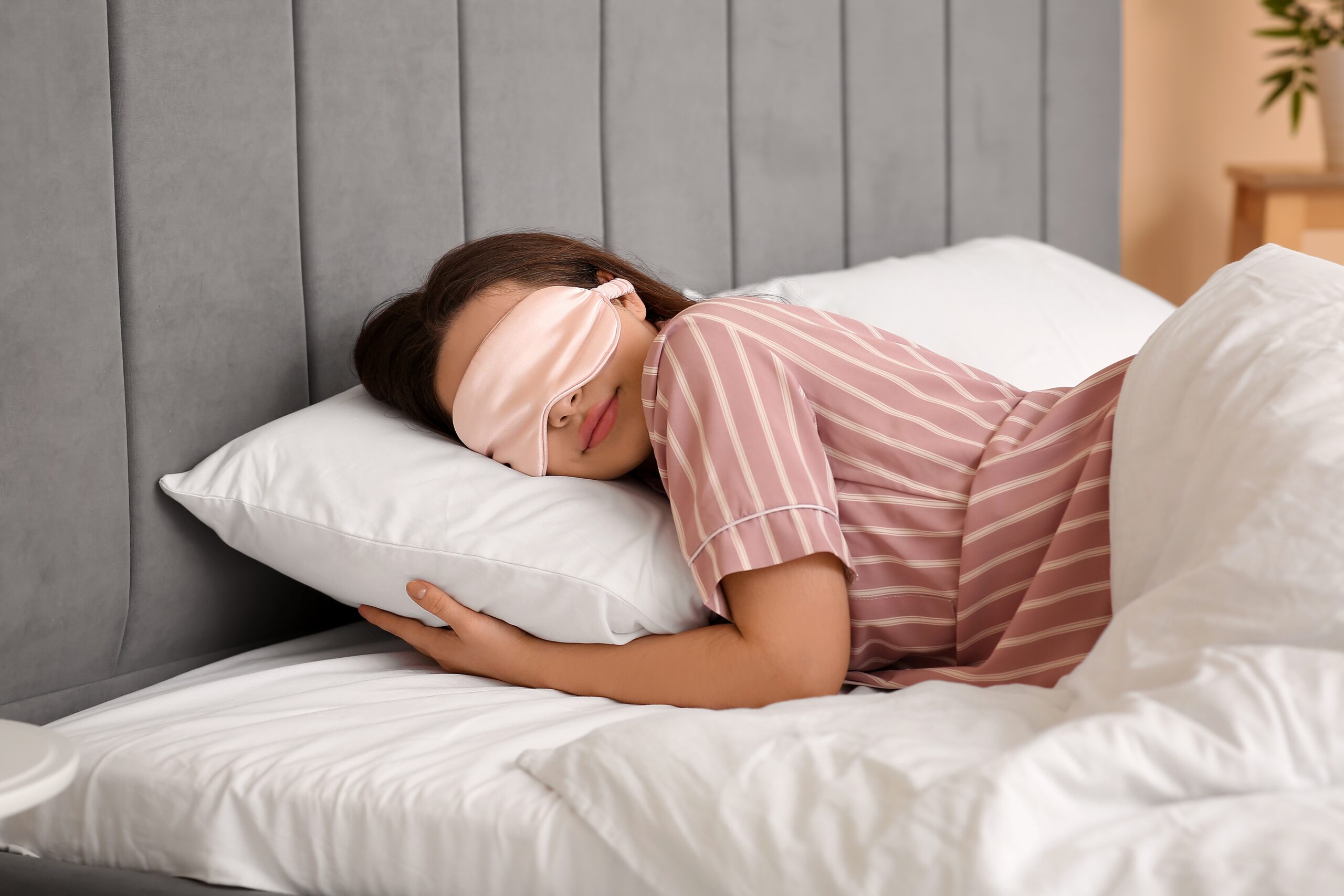
A groundbreaking study of 28 million tracked days reveals that sleep quality, not motivation or exercise habits, emerges as the most powerful predictor of how much you’ll move tomorrow.
Story Highlights
- Sleep efficiency and duration predict next-day movement better than any other factor in massive 71,000-person study
- Better sleep leads to approximately 280 additional steps the next day, while more daily movement barely improves sleep quality
- Peak activity occurs after 6-7 hours of sleep, with reduced movement after both very short and very long nights
- Findings flip conventional wisdom that exercise drives better sleep, suggesting sleep hygiene should precede activity goals
The Data That Changes Everything
Scientists analyzed an unprecedented 28 million days of real-world data from 71,000 adults across 244 regions globally. Each participant wore activity trackers and used under-mattress sleep sensors, creating the largest study of its kind. The results shattered assumptions about what drives daily movement patterns.
The study found that sleep efficiency emerged as the strongest day-to-day predictor of step counts. Higher sleep efficiency translated to roughly 280 additional steps the following day, even after controlling for age and lifestyle factors. This effect proved more powerful than motivation, weather, or previous day’s activity levels.
The One-Way Street Discovery
Perhaps most surprising was the asymmetrical relationship between sleep and movement. While better sleep consistently predicted increased next-day activity, higher daily movement showed minimal impact on that night’s sleep quality. This finding challenges decades of conventional wisdom promoting exercise as the primary path to better rest.
The research team described sleep as a foundational behavior that sets the stage for all subsequent daily activities. Poor sleep doesn’t just make people less motivated to move; it actually impairs their physical and cognitive capacity for movement through reduced coordination, energy, and executive function.
Associations between daily physical activity timing and sleep efficiency revealed by explainable machine learning https://t.co/KUHl6ukwW9 pic.twitter.com/lBNr3mTgg9
— Scientific Reports (@SciReports) January 10, 2026
Meet My Healthy Doc – instant answers, anytime, anywhere.
The Sweet Spot Science
The data revealed a non-linear relationship between sleep duration and next-day activity. Peak movement occurred after approximately 6-7 hours of sleep. Both shorter and longer sleep periods correlated with reduced step counts, suggesting an optimal range for maximizing daily activity levels.
This finding aligns with broader research showing that sleep acts as a performance enhancer for physical activity. Well-rested individuals don’t necessarily try harder to move more; they simply feel more capable of movement due to better energy regulation and motor coordination.
Got a health question? Ask our AI doctor instantly, it’s free.
Rewriting Health Strategies
These findings suggest a fundamental shift in how health professionals approach sedentary behavior. Instead of focusing solely on step goals or gym memberships, practitioners may achieve better results by addressing sleep quality first. This approach treats sleep hygiene as the gateway behavior that enables sustainable activity increases.
The implications extend beyond individual health coaching. Public health policies aimed at increasing population movement might prove more effective by targeting sleep-related factors like work schedules, urban noise levels, and screen exposure. This research positions sleep optimization as an indirect but powerful intervention for chronic disease prevention, given that higher daily movement reduces risks for cardiovascular disease, diabetes, and early mortality.
Start your health journey now.
Watch;
https://youtube.com/shorts/5bKCpGBc8p4?si=Jc8naWA_IRS5totj
Sources:
The Hidden Factor That Predicts How Active You’ll Be Tomorrow (Hint: It’s Not Exercise)
Tracking daily movement patterns may one day help predict dementia
Daily movement is key
Tracking daily movement patterns may one day help predict dementia
Movement Is the Key to Living Longer
The energy expenditure of human locomotion