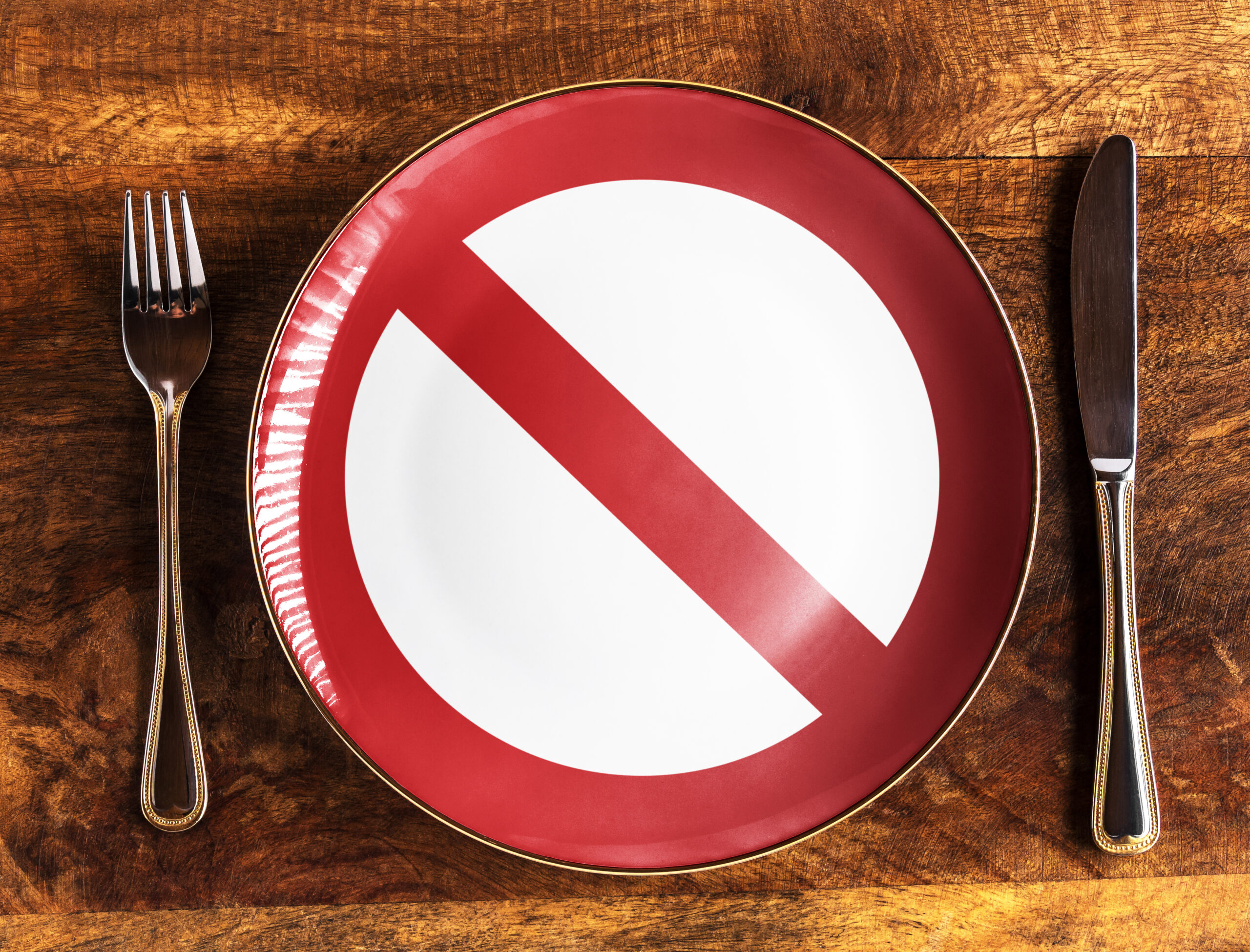
A 2025 meta-analysis of 118,385 people reveals that skipping breakfast increases your metabolic syndrome risk by 10 percent, with even steeper penalties for blood pressure, blood sugar, and belly fat.
Quick Take
- Skipping breakfast links to 1.10-fold higher metabolic syndrome risk across nine observational studies
- Hypertension risk climbs 21 percent, hyperglycemia 26 percent, abdominal obesity 17 percent among breakfast skippers
- Dose-response effect: skipping four or more days weekly worsens obesity markers significantly
- Circadian rhythm disruption, not calorie deficit, appears to drive the metabolic penalty
- Experts call for randomized trials to confirm causation, but observational evidence tilts decisively against fasting trends
The Breakfast Paradox Nobody Talks About
For two decades, intermittent fasting evangelists sold us a seductive story: skip breakfast, trigger autophagy, unlock metabolic magic. Silicon Valley executives and TikTok influencers embraced time-restricted eating like a productivity hack. Yet a comprehensive 2025 synthesis published in Nutrients challenges this narrative with blunt epidemiological force. Nine studies spanning 118,385 participants tell a different tale—one where your morning meal matters far more than fasting dogma admits.
What the Data Actually Shows
The meta-analysis, which reviewed literature through April 2025, found breakfast skippers carry a 10 percent elevated risk for metabolic syndrome—that toxic cluster of high blood pressure, elevated blood sugar, abdominal obesity, and unhealthy lipid profiles that drives cardiovascular disease and diabetes. But aggregate risk masks the real damage. Hypertension risk jumps 21 percent. Blood sugar dysregulation climbs 26 percent. Abdominal obesity, the visceral fat that wreaks metabolic havoc, rises 17 percent. These aren’t marginal associations. They’re the biological cost of ignoring circadian rhythm.
Circadian Mismatch: The Hidden Mechanism
Your body isn’t neutral about meal timing. Glucose tolerance and insulin sensitivity peak in the morning, aligning with circadian peaks in metabolic capacity. Breakfast provides 20 to 35 percent of daily energy intake, and skipping it forces your system to process meals during windows when your body handles them poorly. When you eat matters as much as what you eat. The researchers stress this isn’t about calorie arithmetic—it’s about hormonal synchronization. Insulin resistance and inflammatory cascades accelerate when feeding patterns clash with circadian biology.
Watch:
https://www.youtube.com/watch?v=bv4qXPPOt5c
Meet My Healthy Doc – instant answers, anytime, anywhere.
The Dose-Response Reality Check
Occasional breakfast skipping differs from habitual avoidance. Studies tracking people who skip breakfast four or more days weekly show substantially higher body fat percentages and metabolic dysfunction markers. This dose-response relationship strengthens the observational evidence. It suggests a threshold effect: your metabolism tolerates periodic fasting better than chronic morning fasts. The consistency across diverse populations—Japan, USA, Europe—lends credibility despite the observational study design’s inherent limitations around confounding variables like overall diet quality or exercise patterns.
Got a health question? Ask our AI doctor instantly, it’s free.
Why Observational Data Matters Here
Critics rightly note that observational studies can’t prove causation. People who skip breakfast might differ systematically in stress levels, sleep quality, or dietary choices overall. No randomized controlled trials yet exist to settle the causal question definitively. Yet the consistency of findings across independent cohorts, the biological plausibility rooted in circadian physiology, and the dose-response gradient all strengthen inference. Researchers themselves acknowledge these limitations while arguing the evidence justifies breakfast prioritization as a cost-effective metabolic intervention alongside exercise and smoking cessation.
Skipping breakfast every morning may raise your chances for health problems like heart disease and type 2 diabetes. https://t.co/iFR8tx6zAv pic.twitter.com/X68rfHUsNT
— WebMD (@WebMD) May 27, 2023
What This Means for Your Choices
The research doesn’t demand gourmet morning spreads. A protein-forward breakfast—eggs, Greek yogurt, nuts, whole grains—aligns eating with circadian peaks in glucose handling. Mindbodygreen analysts emphasize that circadian-aligned nutrition reduces insulin resistance and inflammation more effectively than fasting protocols that ignore biological timing. Medical News Today coverage, released October 2025 alongside the Nutrients publication, reinforced expert consensus: breakfast supports natural metabolic rhythms in ways intermittent fasting doesn’t.
Your instant doctor companion – online 24 hours a day.
Sources:
Skipping Breakfast Raises Metabolic Syndrome Risk – Medical News Today
Skipping Breakfast Raises Metabolic Syndrome Risk – News-Medical
What Happens When You Routinely Skip Your First Meal of the Day – mindbodygreen
Breakfast Skipping and Cardiovascular Disease Risk – Frontiers in Cardiovascular Medicine