Weight training might just be the missing link in your journey to a healthier, stronger you.
Story Overview
- Weight training has deep historical roots, tracing back to ancient civilizations.
- Incorporates a step-by-step guide for beginners to safely embark on their strength journey.
- Addresses common psychological barriers and myths surrounding weight lifting.
- Emphasizes the importance of strength training in public health guidelines.
The Evolution of Weight Training
Weight training’s history is as robust as the discipline itself, stretching back to ancient societies like Egypt, Greece, and India. These civilizations used rudimentary forms of resistance training for both athletic and military purposes. The Greeks, for instance, used halteres, which were the precursors to modern dumbbells. By the 18th and 19th centuries, the strongman era birthed the advent of dumbbells, barbells, and kettlebells, solidifying the foundation of today’s weight training.
In the late 19th and early 20th centuries, weightlifting gained prominence, making its Olympic debut in 1896. This era also witnessed the popularization of bodybuilding, thanks to figures like Eugen Sandow. The mid-20th century saw the development of modern gym equipment, setting the stage for the institutionalization of strength sports. These historical milestones highlight the enduring appeal and evolution of weight training as a fitness regimen.
Getting Started: A Beginner’s Guide
For those new to weight training, starting can be daunting. However, a structured approach can make the process more manageable. Begin with selecting basic exercises that cover major muscle groups such as legs, chest, and back. Engage in whole-body routines two to three times a week, starting with light to moderate loads to focus on proper form and technique. Gradually increase the load as you become more comfortable and confident.
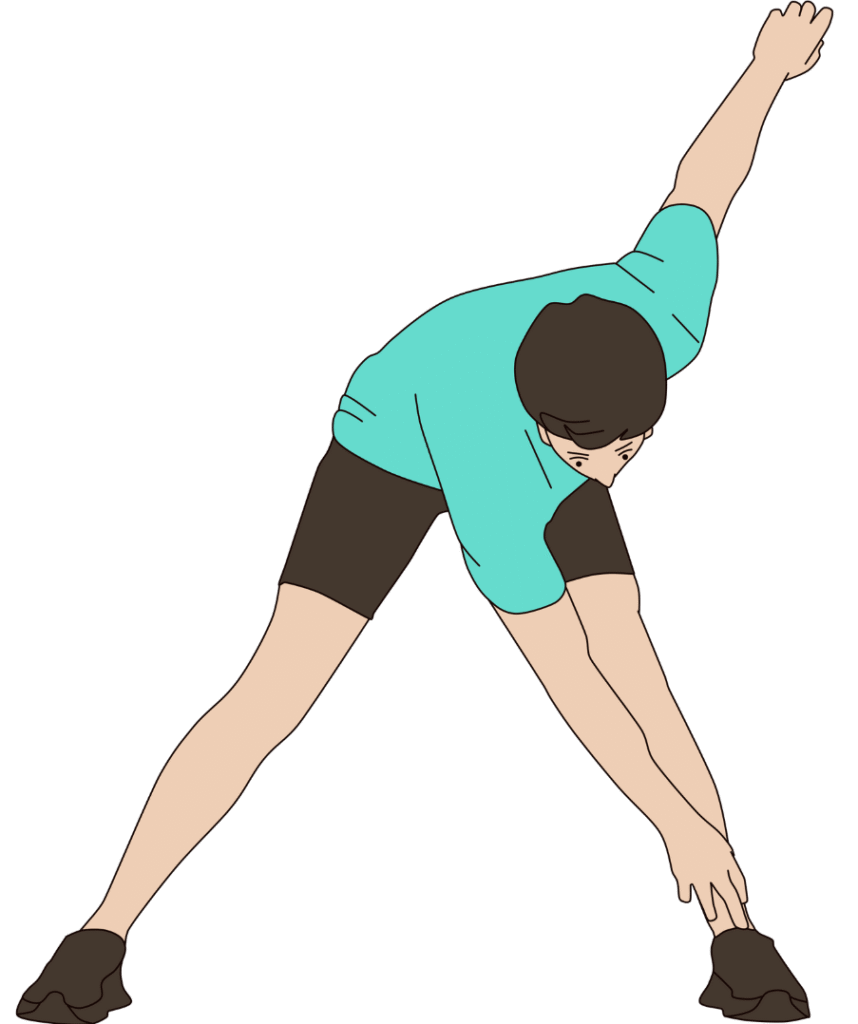
It’s important to integrate safety measures to prevent injuries. This includes adequate warm-ups, using proper equipment, and listening to your body’s cues. Addressing psychological barriers is equally crucial. Many beginners feel intimidated by gym culture or fear bulking up, particularly women. Dispelling these myths and understanding that strength training is for everyone can help overcome these hurdles.
Watch:
https://www.youtube.com/watch?v=-yz8uI1V6GY
The Public Health Perspective
Weight training is not just for athletes or bodybuilders; it’s a cornerstone of public health recommendations today. Major health organizations advocate for muscle-strengthening activities at least twice a week. This is due to the substantial benefits weight training offers, including chronic disease prevention, improved functional independence, and reduced mortality risk. Emphasizing a health-first approach rather than aesthetics can motivate more individuals to incorporate strength training into their routines.
The societal shift towards recognizing the importance of strength training for all demographics, including older adults and women, marks significant progress. This inclusive approach challenges historical stereotypes and broadens participation, making weight training accessible to a wider audience.
The Road Ahead
The future of weight training looks promising, with trends like functional and evidence-based training gaining traction. These programs focus on compound, multi-joint movements that resemble everyday activities, reflecting the influence of sports science. Technological advancements, such as wearables and digital coaching platforms, are also making strength training more accessible, especially for beginners.
Despite these advancements, participation gaps remain. A significant portion of adults still do not engage in regular muscle-strengthening activities. Efforts to bridge this gap involve creating an environment that supports beginners, from public investment in community gyms to providing evidence-based training resources. The fitness industry continues to play a crucial role in promoting beginner-friendly programs and fostering a culture of inclusivity in weight training.
Your instant doctor companion – online 24 hours a day.
Sources:
K11 School of Fitness Sciences
SF Health Tech
Historical European Martial Arts
Perch
Physical Culture Study
Wikipedia
SET FOR SET
RTE