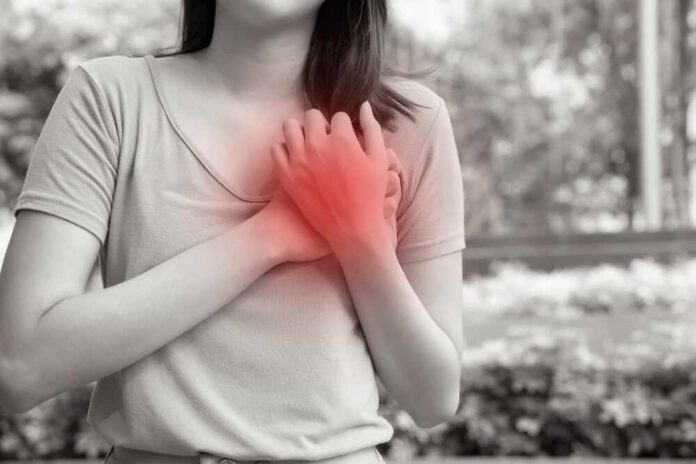
By 2050, nearly 60% of U.S. women could battle cardiovascular disease, a ticking time bomb fueled by obesity and diabetes that demands immediate action to defuse.
Story Snapshot
- American Heart Association projects 59% of women with CVD by 2050, up from current levels, driven by high blood pressure, obesity, and diabetes.
- Young women ages 22-44 face 33% CVD risk, tripling diabetes to 16%; girls 2-19 hit 32% obesity.
- Racial disparities worsen: Black women over 70% hypertension and obesity; projections stall post-2011 progress.
- Experts call it a preventable wake-up call through diet, exercise, and awareness, especially for underserved groups.
AHA Projections Reveal Alarming Rise in Women’s CVD
The American Heart Association published a scientific statement in Circulation on February 25, 2026, forecasting that 59.1% of U.S. women will develop cardiovascular disease by 2050. High blood pressure jumps from 48.6% in 2020 to 59.1%, obesity exceeds 60% from 43.9%, and diabetes surpasses 25% from 14.9%. These trends reverse decades of decline, stalling since 2011 due to rising inactivity and poor diets. Women experience unique risks like heart stiffening and higher stroke rates with atrial fibrillation.
Youth Obesity Drives Early Onset in Girls and Young Women
Girls ages 2-19 face 32% obesity by 2050, with over 60% insufficiently active and half on poor diets today. Young women 22-44 see CVD prevalence rise to one-third from under one-quarter, diabetes tripling to 16%. Lead author Karen Joynt Maddox warns this sets up a generation for earlier, severe heart events. Childhood obesity emerges as the pivotal new driver, compounding high blood pressure, the top risk factor worsening with age.
Racial and Socioeconomic Disparities Amplify the Crisis
Black women face over 70% hypertension and obesity rates, Hispanic women 15% higher hypertension, Asian women 26% more obesity, and Black young women nearly 28% diabetes. Poverty delays care, especially post-reproductive years when women receive less treatment for atrial fibrillation. These gaps align with common sense: early intervention and personal responsibility in diet and activity prevent escalation, rather than waiting for overburdened systems.
Historical Stalls and Calls for Prevention
CVD deaths for women declined until 2011, then plateaued for heart failure in 2012 and spiked during COVID-19. Pre-1993, limited women in NIH studies prompted 1993 congressional mandates, aided by advocates like C. Noel Bairey Merz. AHA president Dr. Stacey Rosen notes fewer than half of women know CVD kills more than anything else, lower among Black and Hispanic women. Projections model ongoing risk factor surges unless reversed.
Bairey Merz labels it an alarming, preventable wake-up call. Joynt Maddox states youth trends show the country’s health heading wrong. Common sense demands prioritizing family meals, daily walks, and blood pressure checks over excuses—values that built stronger generations.
Sources:
Study: Nearly 6 in 10 women projected to have cardiovascular disease by 2050
Heart disease risk forecasts women 2050 projections
Women’s cardiovascular disease risks
6-10 women cardiovascular disease risk factor 2050
6 in 10 U.S. women projected to have at least one type of cardiovascular disease by 2050
Heart disease and stroke projected to rise significantly in women in the next 25 years