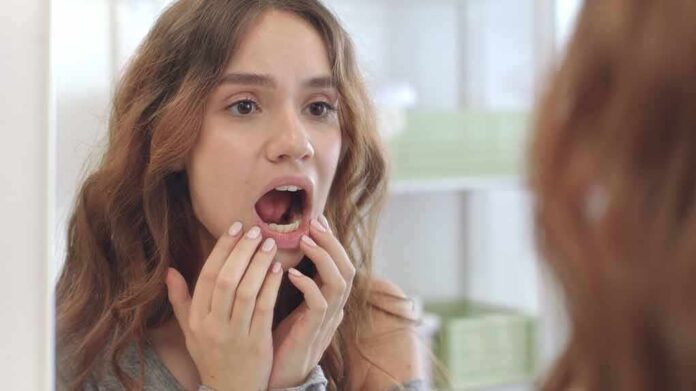
Skip brushing for a single year and your mouth starts rewriting its own biology, turning a daily chore into a slow-motion case study in what plaque, acid, and bacteria do when nothing stops them.
Quick Take
- TED-Ed creator Justin Merritt produced a five-minute video asking what happens if someone skips brushing for a full year.
- The American Dental Association says twice-daily brushing with fluoride toothpaste lowers the risk of cavities and gum disease.
- A Danish clinical trial found plaque and gum inflammation rise fast once people stop all oral hygiene, even for just ten days.
- Large reviews link infrequent brushing to higher odds of both cavities and serious gum disease.
The Question Behind The Video
Justin Merritt built his TED-Ed lesson around a simple hook: what actually happens inside your mouth if you stop brushing for an entire year. The video sits in TED’s microbiology collection, a space built to turn complex science into bite-sized answers. It runs just over five minutes, but the question it raises touches decades of dental research most people never think about until their gums start bleeding.
Merritt’s premise is not a stretch. It mirrors a real debate in dental science about what stopping brushing actually does to the mouth over time, and how fast the damage builds once the toothbrush disappears from the routine.
What Dentists Already Know About Skipping Brushing
The American Dental Association recommends brushing twice a day for two minutes with fluoride toothpaste. The group points to evidence that two minutes of brushing removes a clinically significant amount of plaque, and that fluoride toothpaste lowers cavity risk while helping teeth remineralize. Skip that routine long enough, and the mouth loses its main daily defense against buildup.
Research backing this up is substantial. People who brush less often show higher odds of developing cavities, with one analysis finding infrequent brushers were 50 percent more likely to develop new carious lesions than frequent brushers. Separate research tying brushing habits to gum disease found infrequent brushers faced roughly 41 to 44 percent higher odds of severe periodontitis. Those numbers do not describe a single dramatic year-long experiment, but they paint a clear pattern.
The Closest Real-World Test: Ten Days, Not Twelve Months
No ethical study has ever told people to stop brushing for a full year and watched what happened. But Danish researchers ran a controlled trial where participants stopped all oral hygiene for ten days. Plaque and gum inflammation climbed steadily during that stretch, then dropped back to normal once professional cleaning and brushing resumed for two more weeks. A broader review of similar short-term studies confirms the same pattern: stopping hygiene reliably triggers gum inflammation, with or without dietary changes layered on top.
That ten-day window offers the clearest scientific preview of what a full year might look like, scaled up. Plaque does not plateau on its own. Left undisturbed, it hardens, spreads below the gumline, and keeps feeding the bacteria responsible for inflammation and decay. A year without interruption gives that process far more runway than ten days ever could.
Why Flossing And Rinsing Don’t Fill The Gap
The American Dental Association also stresses that brushing alone doesn’t cover everything. Interdental cleaning, meaning floss or similar tools, removes food and plaque from between teeth where a brush can’t reach, and using it regularly lowers the risk of both gum disease and decay. That matters for anyone picturing Merritt’s scenario, because a year without brushing but with continued flossing would likely look very different from a year with zero oral care at all. The mouth has multiple lines of defense, and removing just one still leaves damage on the table.
The Takeaway For Anyone Tempted To Test It
Nobody needs a twelve-month experiment to know where this road leads. The short-term data already shows inflammation and plaque building within days of stopping, and the long-term statistics on infrequent brushers show the same direction over years. Merritt’s video asks a provocative question, but the dental community already has decades of evidence pointing toward one answer: skipping the brush, even briefly, costs more than most people expect to pay.
Two minutes, twice a day, remains one of the cheapest and most effective habits dentistry has to offer. The science behind that advice isn’t new or flashy, but it is consistent, and consistency is exactly what a year without brushing would take away.