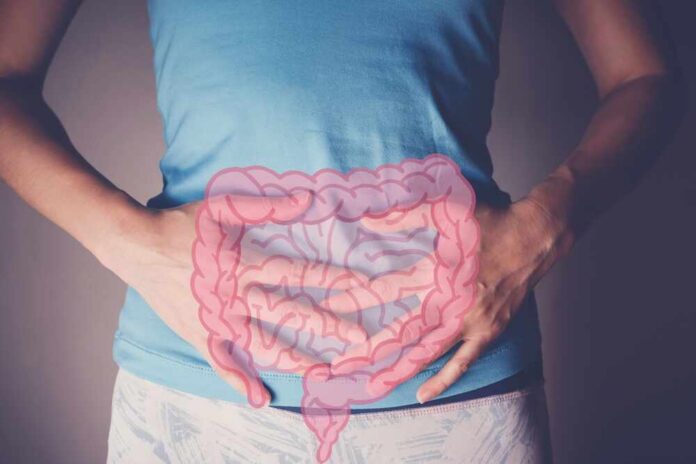
A core body temperature of just 39°C during exercise in heat can breach your gut’s protective barrier, unleashing bacteria into your bloodstream and risking sepsis.
Story Snapshot
- Monash University research pins 39°C as the critical threshold for gut damage in hot exertion.
- Up to 85% of endurance athletes suffer Exercise-Induced Gastrointestinal Syndrome (EIGS) symptoms like nausea and diarrhea.
- Heat acclimation boosts protective gut bacteria such as Dorea, Blautia, and Lactobacillus.
- UC Irvine reveals heat stress links gut, liver, and brain via ORM2 protein secretion.
- Climate change amplifies risks for athletes, outdoor workers, and the elderly.
39°C Threshold Triggers Gut Crisis
Monash University researchers established that core body temperature reaching 39°C during prolonged exercise in hot conditions directly causes gut damage. Blood flow diverts from the intestines to skin and muscles, weakening the intestinal barrier. Bacterial endotoxins then translocate into the bloodstream, sparking inflammation and potential sepsis. Two hours of running at 60% VO2max in 35-37°C ambient heat predicts EIGS severity. This precise threshold guides prevention efforts.
Endurance Athletes Face 85% EIGS Risk
Endurance athletes experience EIGS symptoms in up to 85% of hot-weather events, including vomiting, diarrhea, and severe abdominal pain. Heat reduces splanchnic blood flow, compromising gut integrity. Australian regions like Queensland and Northern Territory show heightened incidence due to extreme climates. Outdoor workers in construction and agriculture share similar exposures, elevating occupational health risks. Early recognition prevents escalation to systemic illness.
Heat Disrupts Gut Microbiota Homeostasis
Frontiers in Microbiology studies show heat stress alters gut microbiota composition and metabolomic profiles. High temperatures damage villi and down-regulate tight junction proteins, increasing permeability. Animal models confirm mice at 39.5°C exhibit elevated intestinal leakage compared to controls. Water intake lowers rectal temperature and respiration, mitigating these effects. Chronic disruptions threaten long-term digestive and immune function.
Multi-Organ Axis: Gut to Liver and Brain
UC Irvine scientists identified the gut-liver-brain axis activation under heat stress. The body secretes ORM2 protein from the liver as an inflammatory response to gut leakage. This may breach the blood-brain barrier, causing neurological effects. ORM2 serves as a biomarker for liver protection strategies. These findings expand heat illness beyond GI tract to systemic organ interplay.
Heat acclimation training reshapes the gut microbiome favorably. Studies reveal increased beneficial probiotics like Dorea, Blautia, and Lactobacillus, alongside reduced pathogens. Immune factors rise while organ damage markers fall. Monash teams test nutrition to sustain gut blood flow, advancing beyond basic carbs and proteins.
Climate Change Amplifies Vulnerabilities
Michigan State University links rising heatwaves to persistent gut microbiota shifts, impairing nutrient absorption in food-scarce areas. Elderly and low-income groups face compounded risks without cooling access. Tropical regions report climbing morbidity. Public health demands revised occupational guidelines and acclimation protocols. Proactive measures safeguard workers and athletes amid frequent extremes.
Research consensus holds firm on mechanisms, though optimal nutrition and individual thresholds need refinement.
Sources:
UC Irvine – Gut-liver-brain axis involvement, ORM2 biomarker identification
Monash University – Precise threshold identification (39°C), EIGS mechanism clarification
Frontiers in Microbiology – Microbiota composition and metabolomic alterations
Heat acclimation benefits research
Michigan State University – Climate change contextualization