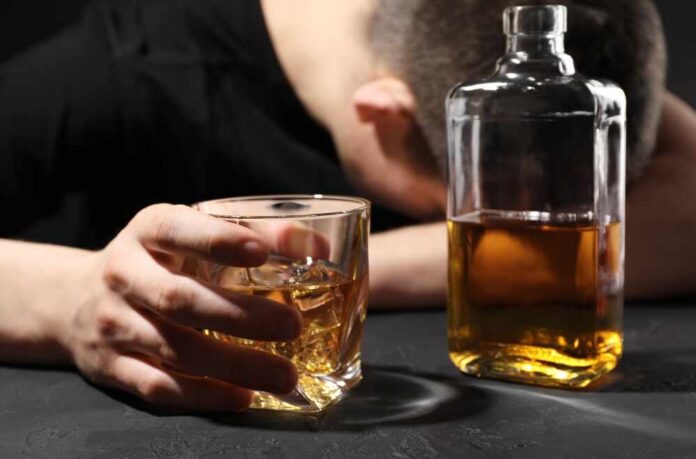
Your body stops forgiving alcohol the moment you turn thirty, and most people don’t realize it until they’re nursing a two-day hangover from three drinks.
Quick Take
- Muscle loss accelerates at three to eight percent per decade after age thirty, reducing your body’s water content and alcohol distribution capacity
- Liver enzymes slow their processing speed in your late thirties, meaning alcohol stays in your bloodstream longer and hits harder
- High-intensity drinking at twenty-nine or thirty predicts alcohol use disorder symptoms by thirty-five in eighty percent of cases
- Heavy drinking advances your biological aging clock, with Yale researchers documenting accelerated epigenetic markers in regular drinkers
The Physiology Behind the Change
After thirty, your body composition shifts in ways that directly impact how alcohol affects you. Muscle mass declines steadily, replaced by fat tissue that doesn’t absorb alcohol as efficiently. Your total body water content drops accordingly, concentrating any alcohol you consume into a smaller volume. This means the same three drinks that barely registered at twenty-five now produce noticeably stronger effects by thirty-five.
Your liver bears the brunt of this metabolic slowdown. The enzymes responsible for breaking down alcohol—primarily alcohol dehydrogenase—work less efficiently as you age. Cleveland Clinic experts note that this enzymatic competition intensifies when medications or underlying health conditions complicate the picture. Your liver simply can’t process alcohol at the speed it once did, leaving you intoxicated longer and recovering slower.
Why Your Hangovers Got Worse
The dehydration you experience after drinking hits differently in your thirties. Younger bodies bounce back quickly; older bodies don’t. Severe hangovers, poor sleep quality, and lingering fatigue become the norm rather than the exception. Banner Health addiction specialists point to this metabolism slowdown as the primary culprit behind the intensified morning-after effects that catch people off guard.
What surprises most people is how quickly this transition happens. Changes don’t announce themselves gradually over years; they accelerate noticeably between your late thirties and early forties. The person who could drink four beers without consequence at twenty-eight finds themselves struggling with two by thirty-eight.
The Bigger Health Picture
This isn’t just about hangovers or feeling tipsy faster. Longitudinal research shows that high-intensity drinking—ten or more drinks weekly—at ages twenty-nine or thirty strongly predicts alcohol use disorder symptoms by thirty-five. Among heavy drinkers in this age range, abstinence rates are nearly zero, suggesting a critical window where drinking patterns either solidify into addiction or shift toward moderation.
Yale researchers recently documented something more sobering: heavy alcohol consumption accelerates your biological aging clock. Epigenetic markers in regular drinkers show advanced aging compared to moderate or non-drinkers. Your body isn’t just processing alcohol differently at thirty; it’s aging faster when you drink heavily.
What This Means for Your Choices
The science here isn’t complicated, and it doesn’t require guilt or shame. Your body has simply entered a phase where alcohol tolerance declines and consequences intensify. Baystate Health emphasizes that recognizing this shift early—rather than pushing through it—prevents the cascade of health problems that follow: cirrhosis risk, cognitive decline, and accelerated aging markers that compound over decades.
The practical takeaway is straightforward: reduce your intake, space drinks further apart, and prioritize hydration. Your thirty-year-old body isn’t equipped to handle what your twenty-five-year-old body managed effortlessly. Acknowledging this physiological reality, rather than fighting it, is the most sensible response.
Sources:
Alcohol and Age: A Risky Combination
Why You’ll Feel Alcohol’s Effects More After Age 65
Why Alcohol Hits Your Body Harder as You Age, Even If You’re Drinking the Same Amount
Understanding Alcohol’s Impact on Your Body as You Age
Longitudinal Study on Alcohol Use Patterns and Disorder Development
Yale Study: Alcohol Consumption Changes the Aging Clock