The carbs that quietly build muscle are not sugar bombs, but protein-packed “hybrid” foods that keep you training hard without growing your waistline.
Story Snapshot
- Carbs do not build muscle directly, but they power the workouts and recovery that do.
- Protein-rich carb foods like quinoa, beans, and sprouted bread help you gain muscle while managing fat.
- The sweet spot is enough carbs to fuel training, not so many that they blow up your calorie budget.
- After 40, carb quality and timing matter more than chasing huge carb numbers.
Carbs Do Not Build Muscle, But They Decide Whether You Can
Most fitness advice talks about protein as the main muscle builder, and that part is true. Protein provides the amino acids that actually become new muscle tissue. Carbs play a different role. They refill glycogen, the stored fuel in your muscles, and keep you from burning protein for energy when workouts get hard. When you cut carbs too low, heavy training feels like trying to bench press while breathing through a straw. You can still gain muscle, but the process becomes slower and more draining.
Large reviews of resistance training show something subtle that should matter to anyone past 40 who cares about facts. When total calories and protein stay the same, higher carbohydrate intake rarely improves strength gains for typical lifting programs. That does not mean carbs are useless. It means there is a floor, not a magic ceiling. You need enough carbs for energy, but you do not get bonus muscle just because you keep piling them on. This fits common sense: fuel is vital, excess fuel becomes fat.
The Hybrid Carbs That Pull Double Duty
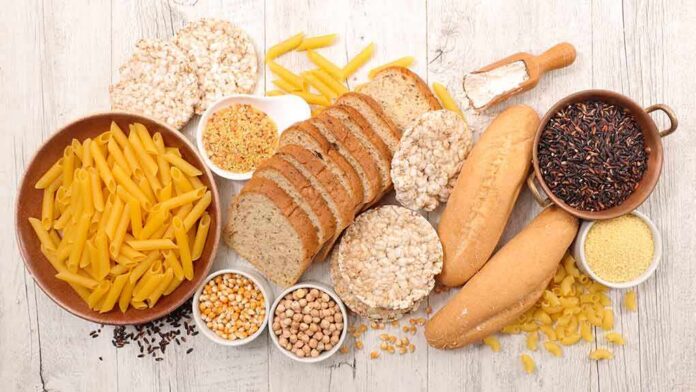
Standard carb lists focus on rice, pasta, and bread. Those can work, but the smart play for muscle and fat control is what some coaches call “hybrid carbs” — foods that bring both carbs and solid protein in the same bite. Sports dietitians highlight options like quinoa, beans and legumes, whole grains, and dairy because they provide fiber, vitamins, and meaningful protein along with their carbs. These foods are harder to overeat, steadier on blood sugar, and they support muscle repair instead of just spiking energy and appetite.
Quinoa is one of the most useful examples for older lifters. It is a complex carbohydrate, but it is also one of the few plant foods that contains all nine essential amino acids, making it a complete protein. Beans and chickpeas work the same way in a more budget-friendly form, offering starchy, slow-digesting carbs plus “muscle-building plant protein.” Sprouted or whole grain breads, oats, and barley add protein and fiber that keep you full and support a leaner body. These are the carbs that “actually build muscle” in practice: not by being turned into muscle, but by delivering protein and fuel together, in portions that do not blow your diet apart.
How Much Carb You Really Need To Grow Muscle
Mainstream sports nutrition advice often tells lifters to eat very high carb diets, sometimes up to 8–10 grams of carbs per kilogram of body weight per day. Real-world intake for bodybuilders seems lower, closer to 2.8–7.5 grams per kilogram on average. Many practical guides aimed at lifters chasing muscle gains now land in the 3–5 grams per kilogram per day range for most people, with 5–7 grams for very intense training blocks. That amount supports glycogen stores and hard workouts without forcing fat gain as long as protein and total calories are controlled.
Huge carb targets look more like marketing for “bulking” meal plans than a necessity backed by strong data. A large research review found conventional high-carb recommendations of 4–10 grams per kilogram per day may be excessive for strength athletes, given the lack of clear performance benefit when protein and calories are matched. For someone over 40 who wants muscle without a bigger belly, this means you can ignore extreme carb hype. Hit a moderate carb range, keep protein high, and manage total calories.
Timing, Quality, And Carbs That Help You Lose Fat While Gaining Muscle
Carb timing matters more when you juggle muscle gain and fat loss. Sports dietitians often suggest a solid meal with complex carbs two to three hours before lifting, especially if you train later in the day, so you have steady energy without stomach issues. Whole grains, fruit, and vegetables fit well here. They provide fiber and micronutrients and keep blood sugar stable, which helps older adults who may be more sensitive to swings in energy and appetite.
Post-workout carbs matter most when you will train again within the next 24 hours. In that case, carb intake helps refill glycogen so the next workout does not suffer. Guidance often suggests at least about 15 grams of carbohydrate within three hours of training, along with about 0.3 grams of protein per kilogram of body weight, with higher post-workout carb intake reserved for very high-volume days. For most lifters over 40 who train three to five days a week, that means you can place a protein-rich carb source — Greek yogurt with fruit, beans with rice, or quinoa and chicken — around your workout and eat normal balanced meals the rest of the day.
Cutting Through Carb Hype With Simple Rules
Nutrition outlets and coaching businesses gain from framing carbs as “essential” for muscle, because it supports high-carb meal plans and products. The research line is calmer. Carbs do not directly drive muscle protein synthesis, but they do lower muscle protein breakdown by raising insulin and they help protein do its job. The practical rules are straightforward. Do not train heavy while chronically carb-starved. Prioritize protein in every meal, then add enough mostly complex, protein-supporting carbs to fuel performance without constant hunger or weight gain.
Sources:
inbodyusa.com, strengthlog.com, issaonline.com, onepeloton.com, hsnstore.eu, training-conditioning.com, fitness-world-nutrition.com, garagegymreviews.com, pmc.ncbi.nlm.nih.gov, healthline.com










![Fix Your Plantar Fasciitis Heel Pain [PERMANENTLY]](https://thewellnessjournal.health/wp-content/uploads/sites/3/2026/07/maxresdefault-24-100x70.jpg "Heel Pain Hack Doctors Quietly Endorse")