One simple cup of berries a day may quietly cut your heart attack risk by double digits while most people still argue about sugar.
Story Snapshot
- Daily blueberries can improve blood vessel function and lower key heart risk markers in months
- Women who eat more anthocyanin-rich berries show much lower heart attack risk over time
- Grapes offer useful polyphenols but also fast sugar that may challenge seniors’ hearts and brains
- Media hype crowns “best fruits” while real science points to dose, age, and whole diet as the real story
Blueberries quietly reshape the odds for your heart
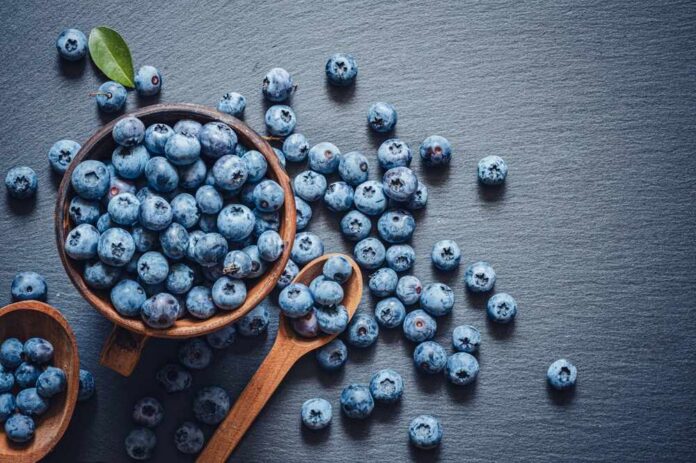
Researchers tracking adults over months found that about one cup of blueberries a day can move real heart numbers, not just headlines. In a six-month investigation, daily blueberry intake improved blood vessel function, made cholesterol profiles more favorable, and was linked with roughly a 12 to 15 percent drop in overall cardiovascular disease risk. That is the kind of shift drug companies brag about, yet it came from a bowl of fruit, not a pill or a stent.
Those gains line up with a long trail of clinical trials on blueberries and mixed berries. Across more than a dozen human studies, berry interventions cut oxidation of “bad” low-density lipoprotein cholesterol, reduced overall plasma cholesterol, lowered lipid peroxidation, and nudged systolic blood pressure down. These may sound like lab terms, but they translate to less rusting of your arteries, smoother blood flow, and lower strain on the heart muscle that keeps you alive.
Anthocyanins turn a simple berry into vascular armor
The key actors inside blueberries are anthocyanins, the pigments that give them their deep blue color and powerful antioxidant punch. In women with higher anthocyanin intake, much of it from berries, long-term data show about a 32 percent lower risk of heart attacks compared with those eating little of these compounds. Across several large cohort studies, higher anthocyanin intake tracked with roughly 25 percent less coronary artery disease and noticeably lower rates of high blood pressure. That is not a wellness fad; that is population-level math.
Short-term trials back up the big-picture numbers with hard physiology. A review of 12 human clinical studies on wild blueberries reported better endothelial function, which means blood vessels relax more easily and let blood glide through instead of fight its way. Another randomized trial found that whole blueberries boosted nitric oxide, the gas your vessel walls release to widen and improve circulation, by nearly 69 percent compared with baseline.
Grapes bring useful polyphenols but a sugar catch for seniors
Grapes also deserve a serious look. They carry polyphenols like resveratrol that may lower blood pressure, improve cholesterol, and help insulin work better, all of which support heart health. Some cardiology coverage now pairs grapes with blueberries as a “rich trio” of antioxidant fruits for protecting brain and heart function. That fits the broader science showing that diets high in fruits and vegetables cut risks of heart disease and stroke overall, even without naming a single “hero fruit”. No one fruit owns your arteries.
Yet grapes come with a catch that matters more after 60. Clinicians like Dr. Sam warn that thin grape skins and low fiber let sugar hit the bloodstream fast, which can spike blood sugar, strain blood vessels, and possibly dull brain cell response in older adults. He describes a senior patient who ate large bowls of grapes nightly and then saw rising blood sugar, high triglycerides, and hints of early memory decline. That story does not prove grapes are “bad,” but it does push back on lazy talk that any sweet fruit is always safe at any dose.
Why “best fruit” headlines often miss the real heart lesson
This fight over blueberries and grapes fits a larger pattern in nutrition. Health media loves to pick a single “best” fruit based on one dramatic marker like antioxidant capacity or nitric oxide boost, then ignore sugar load, age, medications, and the rest of a person’s diet. At the same time, food packages shout “heart healthy” claims that often do not match the actual nutrition facts when researchers test them.
Both blueberries and grapes are fantastic for heart health, but blueberries generally edge out as the better choice for blood pressure
Blueberries are packed with anthocyanins, antioxidants that help widen blood vessels and improve arterial stiffness. Clinical trials show that… pic.twitter.com/fJFYIPgCPs
— VESSEL PARAGON (@vesselparagon35) July 9, 2026
Polyphenol research suggests a saner frame than hero worship. Scientists studying plant compounds and cardiovascular health describe fruits like blueberries and grapes as parts of a broader pattern: higher polyphenol intake seems to ease inflammation, improve vessel function, and reduce oxidative stress, but the results vary by baseline health, gut microbiome, and length of intake. Reviews on wild blueberries stress that bigger, longer trials are still needed, especially to fine-tune dosing and confirm benefits for different age groups. The heart message for readers over 40 is clear: use berries and other fruits as daily tools, respect the sugar, and pay more attention to your entire plate than to the latest “superfruit” headline.
Sources:
mindbodygreen.com, verywellhealth.com, pmc.ncbi.nlm.nih.gov, nutraingredients.com, mdpi.com, link.springer.com, facebook.com, pulsecardiachealth.com, youtube.com