Your brain might be taking unauthorized naps while you’re desperately trying to focus on that tedious spreadsheet, and if you have ADHD, those micro-sleeps are happening far more often than anyone realized.
Story Snapshot
- Adults with ADHD experience significantly more sleep-like brain waves during waking hours than neurotypical individuals, causing attention lapses every 40-70 seconds
- Australian researchers used EEG scans during a 53-minute vigilance task to identify these “local sleep” intrusions as the neural mechanism behind ADHD inattention
- The findings could lead to non-drug treatments like auditory stimulation to reduce these brain wave intrusions and improve focus
- This research distinguishes ADHD attention problems from simple distraction, framing them instead as brief, involuntary brain shutdowns during demanding tasks
When Your Brain Checks Out Without Permission
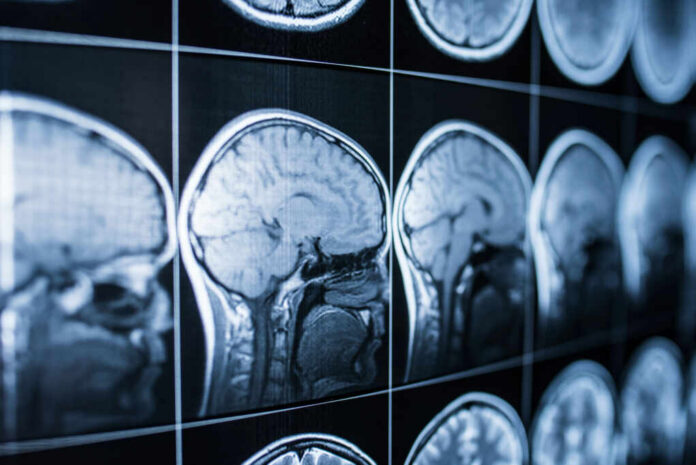
Researchers at Monash University in Melbourne cracked open a mystery that has frustrated millions of adults with ADHD. The study, published in the Journal of Neuroscience in early 2026, tracked 32 unmedicated ADHD adults and 31 neurotypical controls through a mind-numbing task: pressing a button for every new digit except the number three, sustained for 53 minutes. EEG scans revealed that ADHD brains generated significantly more sleep-like slow waves during this wakeful state, creating what lead researcher Elaine Pinggal describes as a porous boundary between sleep and wakefulness. These weren’t daydreams or willful distractions. These were involuntary neural events where parts of the brain essentially powered down mid-task.
The Science Behind Mental Fatigue
Slow waves during wakefulness function like localized power outages in your brain’s electrical grid. Previous research established this phenomenon in sleep-deprived neurotypical individuals during the early 2010s, but the Monash study marks the first time scientists quantified these waves specifically in unmedicated ADHD adults during normal waking hours. The frequency of these intrusions correlated directly with performance metrics: more errors, slower reaction times, increased mind wandering, and subjective reports of sleepiness. Pinggal compared the effect to muscle fatigue during a long run, except the tired muscle is your attention system, and the race is every cognitively demanding task you face daily.
Why ADHD Brains Behave Differently
The research team documented these lapses occurring every 40 to 70 seconds in ADHD participants, creating a pattern of inconsistent attention that defines the condition. This finding aligns with decades of observations about ADHD and sleep disturbances, from delayed sleep phases to excessive daytime sleepiness, but finally provides a concrete neural mechanism. The study participants were off their ADHD medications to ensure the results reflected the condition itself rather than pharmaceutical effects. What emerged was clear evidence that ADHD brains struggle to maintain the arousal systems necessary for sustained vigilance, allowing sleep-like states to intrude far more frequently than in neurotypical brains.
Implications Beyond Pharmaceuticals
The discovery opens pathways to interventions that don’t require medication. Previous research demonstrated that auditory stimulation reduces daytime slow waves in neurotypical individuals, and Pinggal’s team proposes testing similar approaches for ADHD populations. This matters in a global ADHD medication market exceeding twenty billion dollars, where many adults either cannot tolerate stimulants or prefer non-pharmaceutical options. The research also refines diagnostic possibilities, with EEG slow wave patterns potentially serving as biomarkers for attention deficits. For clinicians, this provides objective measures beyond subjective symptom reports. For families, it transforms the frustrating experience of watching a loved one struggle through tasks from a character flaw into a recognized physiological challenge.
The Broader Context of Brain Arousal Research
This ADHD research dovetails with concurrent 2026 findings from MIT about cerebrospinal fluid waves intruding into wakefulness after sleep deprivation, suggesting the brain attempts restoration processes even when circumstances demand alertness. The convergence of these studies paints a picture of arousal regulation as far more dynamic and vulnerable than previously understood. Sleep researchers have documented how critical proper rest is for cognitive function, but the ADHD findings reveal that some brains face these restoration intrusions regardless of sleep quality. The neurotypical assumption that willpower alone conquers distraction crumbles against EEG evidence of involuntary neural events beyond conscious control.
ADHD brains show sleep-like activity even while awake
Researchers have identified a surprising brain pattern that may help explain why people with ADHD often struggle to stay focused. Even while awake, their brains can slip into brief episodes of “sleep-like” activity during…
— The Something Guy 🇿🇦 (@thesomethingguy) March 17, 2026
The practical takeaway extends beyond clinical settings into workplaces and schools where ADHD adults navigate environments designed for neurotypical attention spans. Understanding that attention lapses stem from measurable brain wave intrusions rather than laziness or lack of effort could reshape accommodations and expectations. The study involved a modest sample size of 63 total participants, and questions remain about causality direction and how medication affects these patterns long-term. Yet the core finding stands validated: ADHD brains experience quantifiably more local sleep during wakefulness, and that difference explains much of the attention inconsistency that defines the condition. As research progresses toward intervention trials, millions of adults may gain access to treatments targeting the root neural mechanism rather than merely managing symptoms.
Sources:
ADHD Brains Show Sleep-Like Activity Even While Awake
What Sleep Patterns Reveal About Mental Health: A Look at New Research
Waves of sleep invade the waking brain