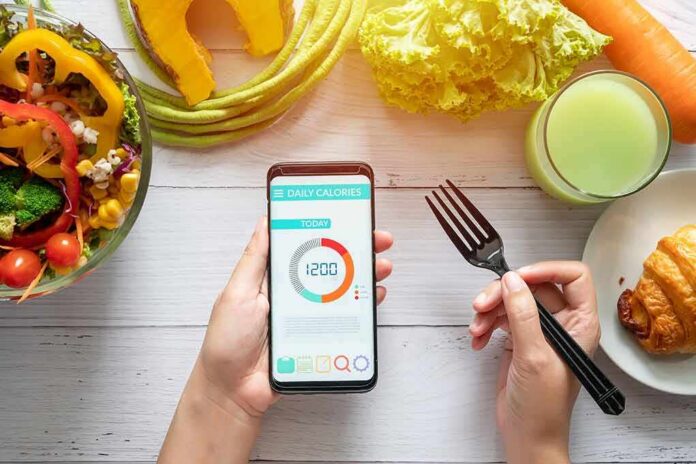
Counting every calorie on your plate might matter less than what that calorie is actually made of.
Quick Take
- Tufts nutrition dean Dariush Mozaffarian argues food quality, not calorie or macro counting, should drive healthy eating choices.
- A Tufts study found ultra-processed foods linked to worse health outcomes even after adjusting for nutrition quality.
- A randomized trial found flexible and rigid macro-based dieting worked equally well for weight loss.
- Experts agree calorie tracking helps with weight loss, but it does not fully capture long-term health risks tied to processing.
Why One Nutrition Expert Wants You To Stop Counting
Dariush Mozaffarian, dean emeritus of the Friedman School of Nutrition Science and Policy at Tufts University, says Americans have the wrong obsession. In a widely cited 2018 interview, he said people focus so hard on counting calories that they lose sight of food quality entirely, calling it “a huge mistake” for anyone trying to eat well. His point is not that calories don’t count. It’s that two foods with identical calorie totals can affect your body in very different ways.
That idea sounds simple, but it challenges decades of diet culture built around numbers on a label. Fitness influencers, weight-loss apps, and even doctors have trained people to treat calories and macronutrients like a universal currency. Mozaffarian’s argument flips that script. He wants fiber, processing level, and nutrient density treated as the real scoreboard, not grams of protein or a daily calorie cap.
What New Research On Processing Actually Found
A study from Tufts University’s Food is Medicine Institute, published in the American Journal of Public Health, backs up that concern with data. Researchers found that people eating more ultra-processed foods had worse health outcomes, and that pattern held even after accounting for the food’s overall nutritional quality. In plain terms, two meals with the same calories, protein, and fat can still carry different risks depending on how heavily they were processed.
That finding matters because it suggests processing itself does something to the body that a nutrition label can’t capture. A chicken breast and a protein bar might hit the same macro targets. But the Tufts research suggests your body may not treat them the same way once they’re broken down. For readers juggling fitness apps and food trackers, that’s a real wrinkle worth taking seriously.
The Pushback: Macro Tracking Still Delivers Results
Not everyone agrees food quality should replace structured tracking. A randomized controlled trial of resistance-trained adults found that flexible, macro-based dieting worked just as well as rigid dieting for weight loss during calorie restriction, with no meaningful difference in total calories or protein eaten between groups. That’s a controlled, peer-reviewed result, not just an opinion from a fitness coach, and it shows structured macro goals can produce real, measurable change without demanding a strict whole-food menu.
Separate research on personalized behavioral weight-loss programs reinforces that calorie goals still carry weight. Participants given a personalized energy-balance target lost nearly twice as much weight over twelve weeks as those on a standard program, largely because they stuck to their calorie goal more consistently. Popular guides describing “if it fits your macros” dieting make a similar case, noting that tracking protein, fat, and carbohydrates while allowing food flexibility is tied to short-term weight-loss success.
Where Both Camps Actually Agree
The real disagreement isn’t whether calories matter. It’s which piece of information should drive your daily choices: a number, or the nature of the food itself. Calorie and macro tracking has a strong research base for weight regulation, backed by federal evidence reviews showing self-monitoring consistently links to greater weight loss. Food-quality frameworks, meanwhile, target longer-term risks like heart disease and metabolic decline that a calorie count alone won’t flag.
For everyday eaters, that means the smartest approach probably isn’t picking a side. Tracking calories or macros can still help you lose weight and build muscle, especially short term. But treating a processed snack bar as nutritionally equal to real food, just because the label numbers match, ignores what’s actually happening once that food hits your bloodstream. Common sense says both the number and the nature of what you’re eating deserve a seat at the table.
Sources:
mindbodygreen.com, now.tufts.edu, agritecture.com, pmc.ncbi.nlm.nih.gov, nutrola.app, iifym.com