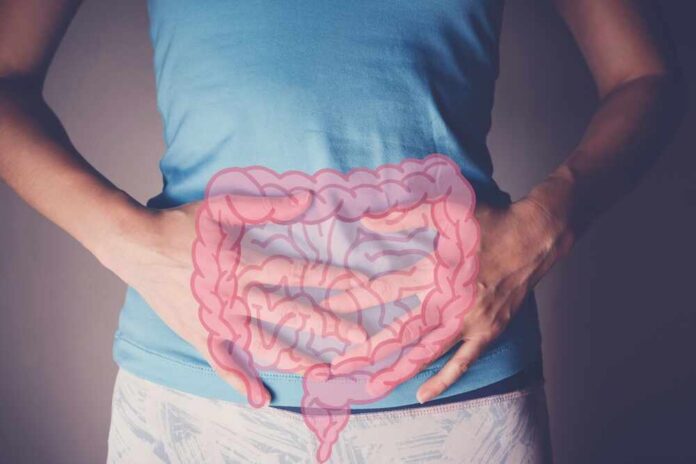
Your gut bacteria could be the secret gatekeeper deciding if a low-FODMAP diet or an antibiotic like rifaximin finally tames your IBS symptoms—or leaves you suffering.
Story Snapshot
- Gut microbiota profiles predict IBS-D treatment success, favoring low FODMAP or rifaximin based on bacterial composition.
- 2025 research shifts IBS care from trial-and-error to precision medicine using microbiome biomarkers.
- Probiotics and antibiotics like rifaximin deliver reliable relief, with 40-80% responder rates in trials.
- IBS affects 10-15% worldwide; personalized approaches cut costs and boost quality of life.
Gut Bacteria Profiles Predict IBS Treatment Outcomes
Researchers identify specific gut microbiota compositions that forecast patient responses to IBS-D therapies. Patients with certain bacterial profiles respond better to low FODMAP diets, which limit fermentable carbs that trigger diarrhea and bloating. Others benefit more from rifaximin, a gut-specific antibiotic that targets overgrowth without systemic effects. This microbiome-driven selection ends the frustration of mismatched treatments.
IBS Origins Trace to Microbiota Dysbiosis
Early 2010s studies link IBS to small intestinal bacterial overgrowth and microbiota shifts. Cytokine imbalances, like low IL-10/IL-12 ratios, correlate with symptoms, which Bifidobacterium infantis normalizes. Global prevalence hits 10-15%, with subtypes driven by gas-producing bacteria like Enterobacteriaceae affecting motility. Standard treatments falter, spotlighting the microbiome as a core target.
Rifaximin Proves Superior for IBS-D Relief
A 2011 randomized controlled trial dosed rifaximin at 550 mg three times daily for two weeks. It cut global IBS symptoms by 40.8% versus 31.2% for placebo, excelling at bloating and diarrhea reduction. Rifaximin outperforms other antibiotics due to low resistance and non-absorbable action in the gut. Mayo Clinic endorses it for SIBO-linked IBS-D, aligning with emphasis on proven, targeted interventions.
Probiotics Deliver Consistent Symptom Wins
Meta-analyses from the 2020s confirm Lactobacillus and Bifidobacterium strains reduce pain and bloating through short-chain fatty acid production and microbiota modulation. Eight of eight RCTs up to 2023 show positive results, with 69-80% responder rates. VSL#3 trials in the 2000s slashed IBS-D bloating. Multistrain formulas work across subtypes by repairing gut barriers and normalizing cytokines.
2025 Reviews Advance Precision Strategies
A 2025 Frontiers in Immunology narrative review synthesizes evidence for probiotics improving all IBS subtypes via SCFA boosts and barrier repair. Rifaximin and fecal microbiota transplants vary by strain and context. Subtype-specific microbiota analysis now guides low FODMAP versus antibiotic choices for IBS-D. Ongoing needs include strain optimization and long-term validation.
Postbiotics emerge as safer options, producing antimicrobials without live bacteria risks. Prebiotics like galactooligosaccharides improve stool via Bifidobacterium growth but risk bloating side effects. Experts caution on variability, urging patient-specific dosing.
Treatment Impacts Reshape Patient Care
Short-term gains include rapid pain and bloating relief, minimizing trial-and-error. Long-term, microbiome profiling could redefine IBS management with prebiotics, postbiotics, and FMT. Millions worldwide benefit, with providers adopting tests for targeting. Economic wins favor cheap probiotics over repeated antibiotics, curbing resistance while enhancing quality of life.
Sources:
PMC Article on IBS and Microbiota Targeting
PMC Article on Prebiotics and Postbiotics in IBS
PMC Meta-Analysis on Probiotics for IBS
Frontiers in Immunology 2025 Review on Microbiota in IBS
mindbodygreen: Gut Bacteria and IBS Treatment
Mayo Clinic: IBS Diagnosis and Treatment