A hidden brainstem switch flips your blood pressure sky-high, and scientists just found the off button—could this rewrite everything we know about hypertension?
Story Snapshot
- University of Auckland researchers pinpoint the lateral parafacial region in the brainstem as the core trigger for high blood pressure.
- Activating this zone constricts blood vessels; inactivating it normalizes pressure in animal models.
- Carotid bodies in the neck signal this brain area, linking sleep apnea and irregular breathing to hypertension.
- Discovery shifts focus from kidneys and vessels to central brain mechanisms, promising targeted therapies.
- Affects 1.3 billion people worldwide, with ties to cognitive decline and dementia risk.
Lateral Parafacial Region Controls Breathing and Blood Pressure
Professor Julian Paton and his team at the University of Auckland identified the lateral parafacial region in the brainstem. This ancient zone drives forced exhalations during coughing, laughing, or intense exercise through abdominal muscles. Researchers discovered it also sends signals to nerves that tighten blood vessels, spiking blood pressure. In rat models of hypertension, activating the region raised pressure immediately. Inactivation dropped it to normal levels, proving direct control.
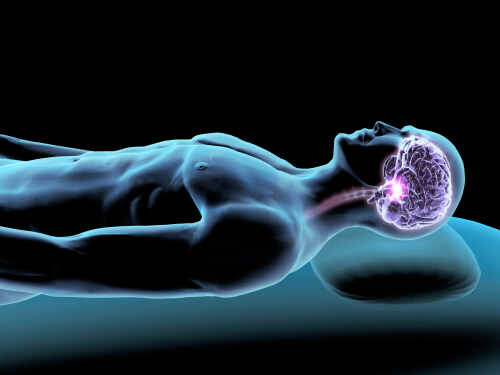
Carotid bodies, oxygen-sensing cells in the neck arteries, activate this brain region during low-oxygen states like sleep apnea. Abnormal breathing patterns overstimulate these sensors, triggering persistent vessel constriction. Paton declared the brain solely responsible for hypertension in resistant cases. This explains why standard drugs often fail—they ignore the central command.
Brainstem Discovery Challenges Traditional Hypertension Views
Hypertension research historically targeted kidneys, where renin regulation acts as an off-switch via calcium activity, and hormones like angiotensin. Vessels and peripheral factors dominated. Brainstem roles surfaced recently, with the lateral parafacial link being novel. Unlike kidney-focused models, this emphasizes a reversible neural switch activated by carotid signals.
Precedents include brainstem cells stabilizing pressure fluctuations. UVA researchers mapped hundreds of these cells; losing just a few causes instability despite average readings. Paton’s work builds on this, pinpointing one nucleus for both respiratory and vascular control.
Connections to Cognitive Decline and Blood Pressure Variability
Weill Cornell studies in mice revealed pre-hypertensive brain damage through gene shifts in endothelial cells, interneurons, and oligodendrocytes. Damage precedes pressure rises, raising dementia risk 1.2 to 1.5 times. USC findings link beat-to-beat fluctuations to hippocampal shrinkage and neurofilament light increases, independent of average pressure.
UTRGV researcher Jesús Melgarejo connected 24-hour pressure chaos to cognitive decline, replicating SPRINT MIND data at American Heart Association sessions. These fluctuations signal dementia earlier than steady highs.
Scientists discover surprising brain trigger behind high blood pressure
Scientists have uncovered a surprising brain-based trigger for high blood pressure, tracing it to a small region in the brainstem that normally controls breathing. This area, which kicks in during forceful…
— The Something Guy 🇿🇦 (@thesomethingguy) March 23, 2026
Stephen Abbott at UVA showed brainstem cell loss destabilizes pressure. Paton’s discovery complements this: carotid hyperactivity in apnea feeds the parafacial region, amplifying risks for 1.3 billion hypertensives, especially the elderly.
Implications for Treatments and Future Research
Short-term, doctors could diagnose via breathing patterns and carotid activity. Long-term, brain-targeted drugs or carotid modulators offer hope for resistant cases and apnea-linked hypertension. Preclinical success in rats demands human trials. Gene insights suggest early interventions before damage sets in. Pharma stands to gain from neural therapies, validating variability tracking over mere averages.
Socially, this reduces dementia burdens, cuts healthcare costs, and promotes aging independence—core to self-reliance. Facts support Paton’s bold claim: the brain drives hypertension.
Sources:
Scientists discover the brain region behind high blood pressure
Your brain shows damage before your blood pressure spikes, mouse study shows
UTRGV researcher finds lifelong heart-brain connections between blood pressure and cognition
High blood pressure’s early effects on the brain and memory
UVA Scientists Discover Body’s Natural ‘Off-Switch’ for High Blood Pressure
Brainstem nerve cells that stabilize blood pressure mapped
Turning blood pressure data into new hope for brain health
A Few Lost Brain Cells May Cause Dangerous Blood Pressure Instability