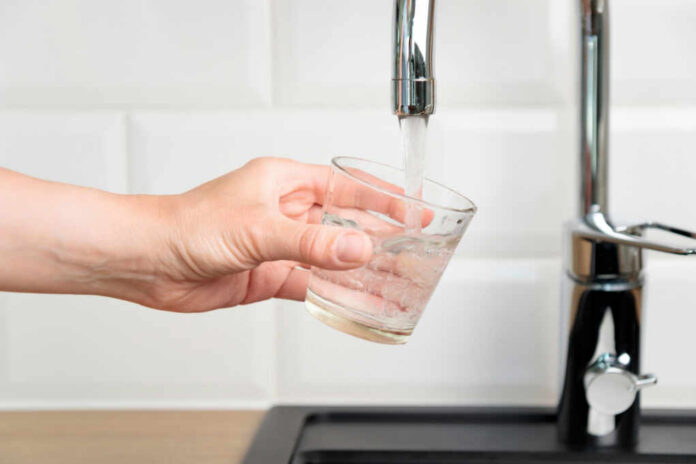
Your water can look crystal clear and still carry a quiet mix of metals, chemicals, and grit you wouldn’t serve to your dog.
Quick Take
- “My water looks fine” is the oldest and least reliable test of drinking water quality.
- Different sink filters remove different problems; some improve taste, others target lead, PFAS, or sediment.
- Filter performance depends more on maintenance and the right match for your water than on brand hype.
- Under-sink systems trade higher upfront cost for convenience, while faucet and countertop units trade convenience for frequent cartridge swaps.
“Unnecessary” Dies the Moment You Learn What Filters Actually Catch
The premise behind “sink filters are unnecessary” usually rests on one assumption: municipal water is always consistent and always clean enough. American water utilities do a lot right, but water travels through miles of aging pipes, passes through building plumbing you don’t control, and can change season to season. Filters don’t just “purify.” They often catch sediment, reduce chlorine taste and odor, and in the right configuration, cut exposure to contaminants you’d rather not gamble on for decades.
The most misleading part of the debate is the visual trap. People expect filters to “prove” themselves with scary brown sludge. Sometimes you’ll see that—rust, sand, scale—especially in older neighborhoods or after hydrant flushing. Other times the cartridge looks normal while it quietly does its job reducing dissolved chemicals you can’t see. If you want common-sense conservatism here: trust measurable outcomes, not appearances, and don’t confuse “I can’t see it” with “it isn’t there.”
Filter Types: The Difference Between Taste Improvement and Real Risk Reduction
Activated carbon filters dominate the market because they’re affordable and immediately noticeable: they can reduce chlorine taste and odor and improve palatability, which gets people off expensive bottled water. That benefit is real, but carbon alone doesn’t automatically equal “heavy-duty protection.” Reverse osmosis systems, by design, can reduce a wider range of dissolved contaminants, but they cost more and can waste water. Multi-stage systems combine approaches, which is often the practical sweet spot.
The honest rule is simple: the right filter depends on what’s in your local water and what your home’s plumbing contributes. Lead can enter water after it leaves the treatment plant, and sediment can show up after line repairs or pressure changes. Some systems focus on particulates; others target specific chemicals. When people say “filters are unnecessary,” they often mean, “I bought a cheap one that didn’t solve my actual problem,” or, “I never tested my water, so I’m guessing.”
The Four-Week Cartridge Test Isn’t a Parlor Trick—It’s a Maintenance Warning
That viral-style idea—checking what a filter “caught” over four weeks—matters less as a scare tactic and more as a maintenance lesson. Filters are consumables. They load up, their flow rate drops, and performance can decline if you treat cartridges like permanent equipment. A filter that seems “fine” at week four might be overdue at month four, depending on water quality and usage. The cost of filtration lives or dies in the replacement schedule you actually follow.
Homeowners over 40 already know how this movie ends: ignore maintenance long enough and the system becomes either useless or annoying. The conservative, common-sense approach is to pick a setup you’ll maintain without drama. If you hate chores, an under-sink unit with longer-life cartridges may beat a faucet filter that demands frequent swaps. If you rent or hate plumbing work, a countertop unit might be the compromise that still moves you away from bottled-water dependency.
Under-Sink vs. Faucet vs. Countertop: Convenience Is the Real Battlefield
Under-sink filters win on convenience and aesthetics: clean install, consistent output, no gadget hanging off the faucet. They also tend to support multi-stage designs and higher capacity, which can mean fewer cartridge changes. The tradeoff is upfront cost and installation complexity. Faucet-mounted filters win on simplicity, but they can slow flow and require frequent cartridge replacements. Countertop filters split the difference, but they take space and can feel like clutter.
Cost arguments often miss the point. People fixate on “filters vs. nothing,” when the real comparison is “filters vs. habits.” If you buy cases of bottled water, a decent filtration system can pay back quickly. If you mostly drink coffee and soda, you may not care—until you remember you cook pasta, wash produce, fill pet bowls, and make ice. Water touches more of your daily life than you think, and that’s where the value quietly accumulates.
What the Best Guidance Gets Right: Match the System to the Claim
Reliable guidance keeps repeating the same idea: pick a filter based on what you want removed, and verify performance claims. Serious filter buyers look for tested standards, stated contaminant reduction, and clear maintenance intervals—not vague “purifies everything” marketing. When a brand can’t tell you what it reduces, you’re buying a feeling, not a tool.
Nothing about filtration requires panic. It requires humility: you don’t control the pipes upstream, and you don’t get a do-over on long-term exposure. If your water tastes like pool chemicals, a basic carbon filter might be enough. If you worry about metals, PFAS, or other dissolved contaminants, you may need a more capable system and a testing plan.
Sources:
water-filter-for-sink-tap-water-filtration-pros-and-cons
do-you-need-a-bathroom-sink-filter-benefits-and-considerations
five-reasons-to-install-an-under-sink-water-filter-system
under-sink-water-filters-the-pros-and-cons-you-need-to-know
do-i-need-an-under-sink-water-filter
about-choosing-home-water-filters
what-are-under-sink-water-filters-and-how-do-they-work
6-reasons-to-install-an-under-sink-water-filter