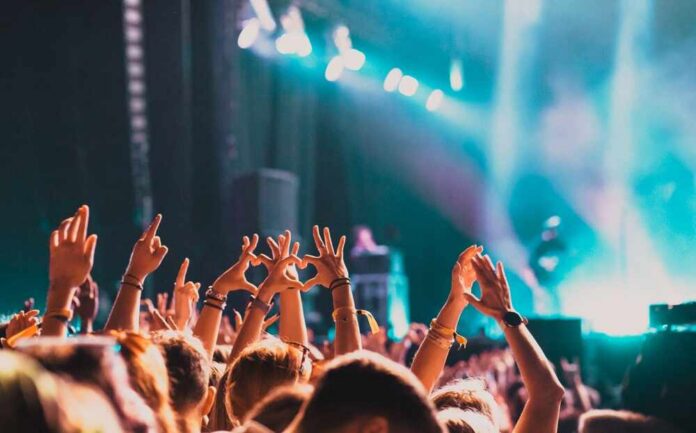
One deafening festival could silence your favorite music forever, turning summer thrills into lifelong regrets.
Story Snapshot
- Festival sound levels hit 90-140 dB, far exceeding the 85 dB safe limit, causing irreversible noise-induced hearing loss in 25% of US adults aged 20-69.
- Only 33.2% of attendees use hearing protection regularly, despite 60.6% trying it once, leaving half exposed to temporary ringing or permanent damage.
- Gen Z suffers most, with 58% experiencing hearing issues after loud events, yet 35% skip earplugs deeming them uncool.
- High-fidelity earplugs reduce symptoms significantly and preserve sound quality, emerging as stylish must-haves like sunglasses.
Noise Levels at Festivals Exceed Safe Thresholds
Festivals blast sound at 90-120 dB outdoors and 95-110 dB indoors, surpassing the 85 dB threshold for hearing damage after brief exposure. Rock concerts reach 120-140 dB, destroying inner ear hair cells cumulatively. CDC data reveals nearly 25% of US adults 20-69 already bear NIHL evidence from such events. This damage accumulates silently, striking without warning during peak festival seasons.
Post-1960s amplification escalated music venue risks, coinciding with rising attendance at EDM and family events. Indoor density worsens exposure, heightening dangers for children. WHO pushes limits and signage, yet 80% of US adults seldom protect themselves at loud gatherings. Common sense demands prioritizing this invisible threat over momentary vibes.
Hearing Protection Usage Remains Alarmingly Low
Surveys show 60.6% of attendees use hearing protection at least once, but regular use lags at 33.2%. Gen Z reports 58% temporary loss post-festivals, with 35% skipping plugs due to “uncool” perceptions. Females and pop fans prove least likely, with odds ratios of 0.74 and 0.40 respectively. Frequent event-goers adopt better habits, odds rising 1.07 per additional show.
High-fidelity earplugs dominate at 57.5% among users, slashing symptoms compared to basic foam types. RNID finds 28% more uptake with comfortable designs, 22% if free. Ticket Fairy promoters advocate deposit systems to cut costs, aligning with conservative values of personal responsibility and smart prevention over expensive cures.
Stakeholders Drive Cultural Shift in Protection
CDC, RNID, and WHO lead advocacy, surveying risks and recommending policies; 54% back sound limits, 75% signage. Venues like Tomorrowland provide free stylish plugs, motivated by liability and fan well-being. Artists face career-ending exposure, endorsing protection for longevity. Attendees hold collective power through surveys, yet individual action falters despite 75% awareness of permanent risks.
Otology researchers confirm protection-symptom links via 2024 studies. Soundwave Hearing advises positioning farther from speakers for 20 dB natural reduction. These efforts normalize earplugs as essentials, boosting uptake 20-28% with accessibility. Data underscores interventions targeting youth, females, and pop fans for broader adoption.
Impacts Span Short-Term Discomfort to Lifelong Burdens
Temporary ringing hits 58% of Gen Z immediately, curbing enjoyment without protection. Long-term NIHL burdens healthcare costs and silences artists mid-career. Families risk child exposure at events. Socially, 24% now rank plugs top among festival gear, fostering safety culture. Industry shifts toward WHO compliance promise sustained change.
2024 timelines mark progress: CDC’s 2023 survey showed 61% would use provided plugs; Otology confirmed benefits; RNID polled Gen Z amid seasons. Stylish options trend upward, though half remain unprotected. Conservative wisdom favors proactive steps like these over reactive taxpayer-funded treatments, preserving personal health freedoms.
Sources:
PubMed: Hearing Protection Use at Entertainment Venues
Ticket Fairy: Ear Protection as Culture, Not Scold
Soundwave Hearing: Importance of Protecting Your Ears This Festival Season
BAA: Over Half of Gen Z Have Experienced Hearing Problems
CDC MMWR: Noise-Induced Hearing Loss at Entertainment Events
UT Health Austin: Protect Hearing During Festival Season
Macomb Audiology: Protecting Your Hearing During Spring Festivals