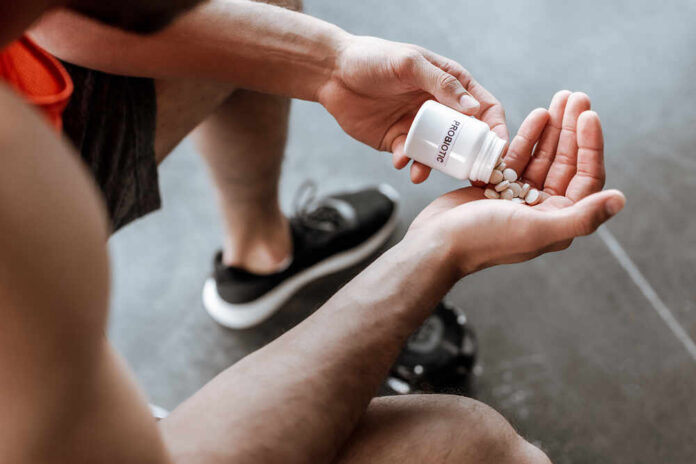
Men popping tyrosine supplements for laser focus might be trading precious years of life for fleeting mental sharpness.
Story Snapshot
- Higher tyrosine levels link to nearly one year shorter lifespan in men, per 270,000-person study.
- Genetic evidence suggests causality, independent of related amino acid phenylalanine.
- Risk appears sex-specific; women show no such association despite lower baseline levels.
- Tyrosine, common in protein foods and nootropic pills, challenges popular brain-boosting trends.
- Findings demand replication and sex-tailored supplement warnings.
Study Reveals Tyrosine’s Hidden Risk for Men
Researchers from University of Hong Kong and University of Georgia analyzed over 270,000 people. They found higher circulating tyrosine levels correlate with reduced life expectancy specifically in men. This amino acid, precursor to dopamine and norepinephrine, appears to shorten male lifespan by nearly one year. Adjustments for confounders like phenylalanine held firm. Genetic modeling reinforced a causal connection.
Men naturally maintain higher tyrosine levels than women, amplifying the effect. The study, published February 26, 2026, in Impact Journals, spotlights biological sex differences in amino acid metabolism and aging. Protein-rich foods like dairy, meat, and nuts supply tyrosine naturally. Supplement makers pitch it as a focus booster since the 1980s.
Tyrosine’s Rise as a Nootropic Favorite
Tyrosine supplements surged in nootropics communities for cognitive enhancement. Users seek sharper focus amid booming demand from aging professionals and gamers. The body synthesizes it from phenylalanine, but pills promise quick neurotransmitter boosts. Regulatory gaps let unproven claims flourish. FDA warnings on hidden stimulants in supplements highlight persistent industry issues.
Key researchers Jie V. Zhao, Yitang Sun, Junmeng Zhang, and Kaixiong Ye drove the analysis. Their work advances public health by exposing sex-specific aging factors. Supplement vendors profit from sales but downplay long-term risks. Academic evidence from large cohorts outweighs marketing hype, aligning with common-sense caution over quick fixes.
Sex-Specific Effects Demand Attention
No link emerged for phenylalanine after controlling for tyrosine, researchers stated. Women outlive men partly due to metabolic differences, now tied to this amino acid. Men using tyrosine for work or gaming face the brunt. Broader nootropics like noopept show mouse neuroprotection but scant human lifespan data or large trials.
Short-term, men may pause tyrosine intake, denting sales in the multibillion-dollar market. Long-term shifts could personalize nutrition advice by sex. Social debates intensify on supplement safety and male health disparities. Political pressure might spur FDA actions, echoing past warnings.
Popular brain supplement linked to shorter lifespan in menhttps://t.co/tvnGDwE07S
— the feed 👹 (@feed_the4th) February 28, 2026
Implications Challenge Longevity Hype
Industry pushes alternatives like CoQ10 or pterostilbene, sidestepping tyrosine warnings. Academic views rate similar nootropics low on human evidence. Genetic validation bolsters this study’s causality claim over preclinical promises. Replication trials remain essential to confirm intervention effects. Common sense favors proven basics over trendy pills for enduring health.
Sources:
Alzheimer’s Drug Discovery Foundation: Noopept Review
ScienceDaily: Popular brain supplement linked to shorter lifespan in men
PMC: Noopept and Inflammation Study
Nootropics Expert: Best Nootropics for Aging Brain
Expansionary Times: Popular Brain Supplement Linked to Shorter Lifespan in Men
Echemi: No Long-Term Human Trials of Noopept
WebMD: Nootropics Smart Drugs Overview
SupplySide: Stimulants Remain in Supplements After FDA Warnings