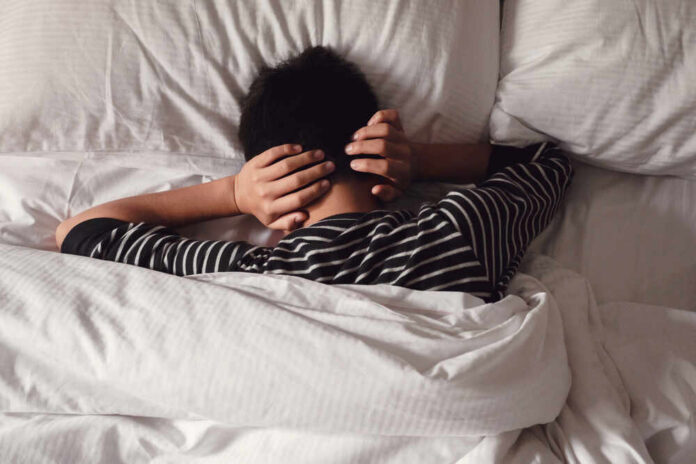
Your body wakes you up 10 times every night without you knowing, turning “enough sleep” into exhausting fatigue that steals your mornings.
Story Snapshot
- Nighttime micro-awakenings fragment sleep, causing persistent grogginess despite 7-8 hours in bed.
- Sleep inertia lingers 15-30 minutes post-wake, doubling accident risks during that vulnerable window.
- Undiagnosed disorders like apnea or RLS affect 50% of chronically tired adults, demanding medical checks over guesses.
- Circadian mismatches from blue light and stress cost the US $411 billion yearly in lost productivity.
Sleep Inertia Drives Morning Exhaustion
Sleep inertia hits hardest right after waking, leaving groggy fog for 15-30 minutes as the brain struggles from deep sleep. This grogginess stems from delta wave remnants and low arousal, peaking after biological night ends. Shift workers and irregular schedulers suffer most, with reaction times slashed and errors doubled. Aviation studies from the 1970s first flagged this in pilots, linking it to safety risks. Common sense demands consistent wake times to blunt its edge, aligning with conservative self-reliance over endless excuses.
Circadian Rhythms Clash with Modern Life
Circadian rhythms, the 24-hour internal clock, battle smartphone blue light and post-2020 stress spikes that delay melatonin. Adenosine buildup drives sleep need, but cortisol surges cause “no reason” awakenings up to 10 nightly. Night owls with delayed sleep phase, formalized in 1980s DSM, face chronic misalignment. Teens show 10-15% prevalence, worsened by screens. Evolutionary mismatches hit shift workers hardest, affecting 10-30% globally. Sunlight exposure resets this clock effectively, a practical fix rooted in natural order.
Hidden Disorders Fuel Fragmented Nights
Apnea and RLS trigger micro-awakenings, with 50% of tired adults undiagnosed despite linking to 80% of chronic fatigue. Sleep studies reveal longer onset latency, more wake time after sleep starts, and unstable deep sleep stages. Post-2025 research ties prolonged inertia to long COVID, while AI trackers now spot these breaks. Elderly face RLS spikes; diabetes cohorts see nocturia from blood sugar swings. Experts urge 3-month symptom thresholds for doctor visits, favoring CBT-I over quick pills for lasting control.
Polysomnography confirms adults spend longer in bed yet lose efficiency, with adolescents logging extra total sleep but poor quality. Heart rate variability drops in deep sleep, signaling nervous system glitches tied to worse wellbeing.
Economic Toll and Daily Hazards Mount
Morning fatigue slashes decision-making for 15-30 minutes, tripling accident odds in cars or at work. Long-term, apnea breeds hypertension; overall, disruptions fuel mental health dips and $100 billion healthcare bills. Shift workers, teens, and seniors bear the brunt, with social isolation creeping in from constant drain. Wellness apps boom, but employers push education to cut $411 billion productivity losses. Military and aviation prioritize fixes, underscoring real-world stakes over vague complaints.
Stakeholders like Mayo Clinic and Sleep Foundation drive diagnostics, while pharma pushes CPAP amid pharma-clinic ties. Patients lean on apps, but specialists hold decision power.
Sources:
Ubie Health: Sleep Disruption – Waking 10 Times a Night
Sleep Foundation: Sleep Inertia
Sleep Cycle: What is Sleep Inertia
Mayo Clinic: Delayed Sleep Phase