A sweeping new analysis of nearly half a million adults links healthy sleep to notably lower odds of several cancers, including a 36% drop in liver cancer risk.
Quick Take
- Researchers tracked 472,105 adults in the UK Biobank, scoring sleep across five traits: duration, chronotype, insomnia, snoring, and daytime sleepiness.
- Healthy sleepers showed 36% lower liver cancer risk and 14% lower lung cancer risk compared to poor sleepers.
- A separate blood test of 303 proteins tied to sleep patterns showed even stronger links to six different cancer types.
- The findings are based on observed patterns, not a controlled experiment, so they show connection, not proof that better sleep prevents cancer.
A Massive Study Looks Beyond Just Hours Slept
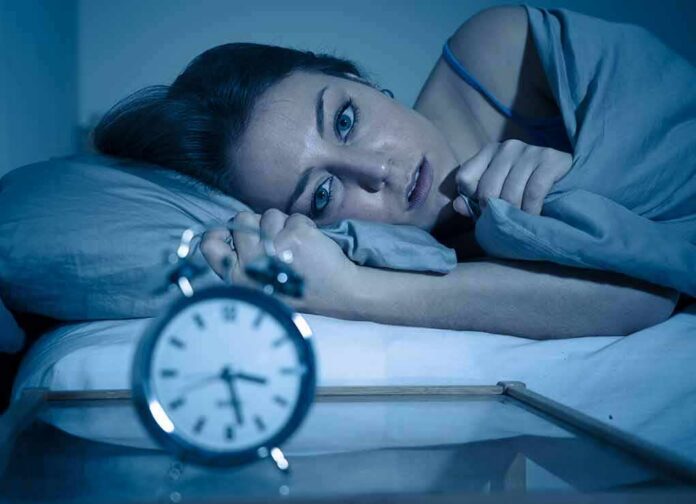
Most sleep advice focuses on one number: how many hours you log each night. This study took a wider view. Researchers built a composite sleep score using five separate traits, then sorted participants into healthy, intermediate, and poor sleep groups. That broader approach let them capture people who sleep enough hours but still suffer from snoring, insomnia, or daytime exhaustion.
The scale of the study matters too. With over 472,000 participants, researchers had enough statistical power to detect even uncommon cancer outcomes with confidence. That’s a far larger sample than most sleep studies manage, which gives the liver and lung cancer findings real weight.
Liver And Lung Cancer Show The Clearest Links
People with healthy sleep patterns had a 36% lower risk of liver cancer and a 14% lower risk of lung cancer compared to poor sleepers. Those numbers translate to hazard ratios of 0.64 for liver cancer and 0.86 for lung cancer, both statistically meaningful results drawn from the full study group.
A separate peer-reviewed study in the journal Sleep backs up part of this picture. It used the same five-trait scoring system and found lung cancer risk dropped even further among people who hit every healthy sleep marker, with the strongest group showing roughly half the risk of those with poor scores. Two independent analyses pointing the same direction adds confidence to the lung cancer connection specifically.
Blood Proteins May Explain The Biological Pathway
Beyond self-reported habits, researchers dug into blood samples and found 303 plasma proteins that formed a distinct “sleep-proteomic score.” People in the healthiest protein tertile saw lower risks across six cancer types: esophageal, stomach, colorectal, liver, gallbladder, and pancreatic. The liver cancer protection was especially striking, showing a hazard ratio of just 0.29, meaning a 71% lower risk.
This protein angle matters because it hints at a biological mechanism, not just a lifestyle correlation. If poor sleep triggers measurable changes in blood chemistry that line up with cancer risk, that strengthens the case for sleep playing an active role in disease development rather than just reflecting someone’s overall health status.
What The Evidence Does Not Yet Show
This study tracked people over time and found patterns, but it did not test whether fixing someone’s sleep actually prevents cancer. That would require a controlled trial where researchers change people’s sleep habits and watch what happens next. No such experiment exists yet for this specific claim.
It is also worth remembering the UK Biobank draws from volunteers who tend to be healthier and wealthier than the general population, a pattern documented in prior research on the database. That does not invalidate the findings, but it does mean the exact numbers may shift somewhat when tested in more diverse populations.
Why This Still Matters For Everyday Readers
Common sense has long said sleep affects health. This research adds hard numbers to that intuition, covering real cancer diagnoses in real people tracked for years. Readers don’t need a clinical trial to start treating a consistent sleep schedule, less snoring, and fewer sleepless nights as a legitimate health priority.
Doctors already know chronic insomnia and sleep apnea carry health costs well beyond cancer, from heart disease to mental decline. This study gives one more reason to treat sleep problems seriously instead of brushing them off as a minor inconvenience of modern life.
Sources:
link.springer.com, pubmed.ncbi.nlm.nih.gov