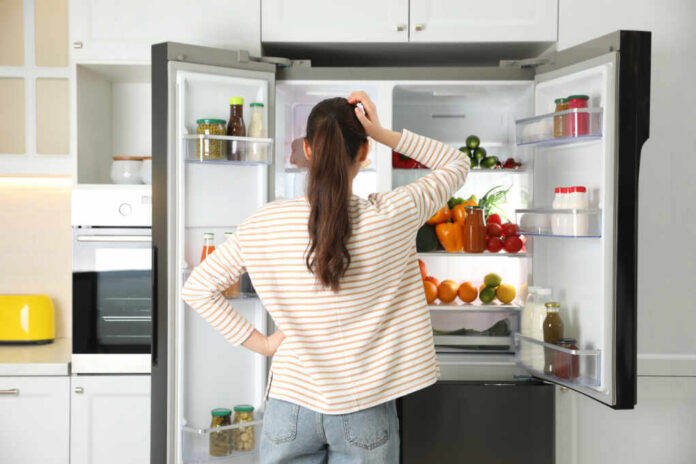
The silent thief in your refrigerator isn’t stealing your food—it’s an invisible gas produced by your fruits and vegetables themselves, quietly turning crisp greens into slimy mush and costing American families hundreds of dollars each year in wasted produce.
Story Snapshot
- American households throw away 30-40% of purchased produce due to improper storage, contributing to 1.3 billion tons of global food waste annually
- Ethylene gas, a ripening hormone emitted by fruits and vegetables, accelerates spoilage when trapped in enclosed refrigerator spaces
- Simple storage techniques using crisper drawers, carbon-filter bins, and specialized containers can extend produce freshness by 2+ weeks
- Low-cost reusable tools costing $10-30 deliver 20-50% produce extension, offsetting initial investment through reduced grocery bills
The Hidden Science Behind Rotting Vegetables
Ethylene gas operates as nature’s ripening signal, a hormone that fruits and vegetables release to coordinate maturation. Apples, tomatoes, and bananas pump out high levels of this invisible accelerant, while leafy greens and broccoli react with extreme sensitivity. When produce shares cramped refrigerator space, ethylene accumulates and transforms your crisper drawer into a spoilage chamber. This basic food science principle, understood since the 20th century, explains why a single overripe apple can devastate an entire produce bin within days. Carbon-filter technology emerged in the 2010s to combat this problem, absorbing ethylene before it triggers premature decay.
Strategic Zoning Transforms Refrigerator Performance
The “Use it or Lose it” zone revolutionizes produce management by grouping items by expiration dates rather than food categories. Clear labeled containers force visibility, preventing forgotten vegetables from liquefying in dark corners. Crisper drawers function as humidity-controlled chambers when used correctly—high humidity for leafy greens, low humidity for ethylene-producing fruits. This organizational strategy mirrors commercial cold storage principles adapted for home kitchens. Content creators like Cathy from Absolutely Fabulous at Home demonstrate these techniques through practical testing, showing raspberries and strawberries maintaining quality beyond two weeks in elevated dual-layer baskets.
Specialized Tools Deliver Measurable Results
Herb savers keep parsley and cilantro upright in water, mimicking vase conditions that maintain freshness far longer than plastic bag suffocation. Elevated berry baskets prevent moisture accumulation that breeds mold, while drainage holes promote air circulation. Green Saver bins incorporate replaceable carbon filters requiring six-month replacement cycles, targeting ethylene absorption as their primary function. Food Huggers and similar reusable produce savers create portion control while extending cut vegetable viability. These products represent incremental innovation rather than revolutionary technology, applying established food science principles through consumer-friendly designs that justify their modest $10-30 price points.
Economic and Environmental Consequences Stack Up
Household food budgets absorb the most immediate impact, with proper storage stretching produce purchases across extended timeframes and reducing weekly shopping frequency. The environmental implications extend beyond personal savings—diverting vegetable scraps to compost or broth stock instead of landfills cuts methane emissions from decomposing organic waste. U.S. EPA campaigns and UN Sustainable Development Goals have elevated food waste awareness since 2015, creating consumer demand for waste-reduction solutions. The reusable kitchenware market benefits from this shift, while appliance manufacturers face pressure to improve crisper drawer designs. These broader sector effects align with zero-waste movements gaining traction among households prioritizing sustainability alongside budget management.
Common Sense Prevails Over Complexity
The appeal of these storage techniques lies in their accessibility—no advanced degrees or expensive equipment required. Separating high-ethylene producers from sensitive vegetables requires only basic awareness and deliberate placement. Freezing excess produce before spoilage, a practice validated by sources like Taste of Home since the early 2000s, extends utility for months. The focus on reusable products over disposable solutions reflects conservative values of thrift and resource stewardship. While exact longevity claims remain anecdotal rather than laboratory-tested, the underlying science of ethylene management and humidity control stands on solid ground, making these practical interventions both sensible and effective for busy families.
Sources:
Genius Fridge Hacks to Preserve Fresh Food for Busy Families – Food Huggers