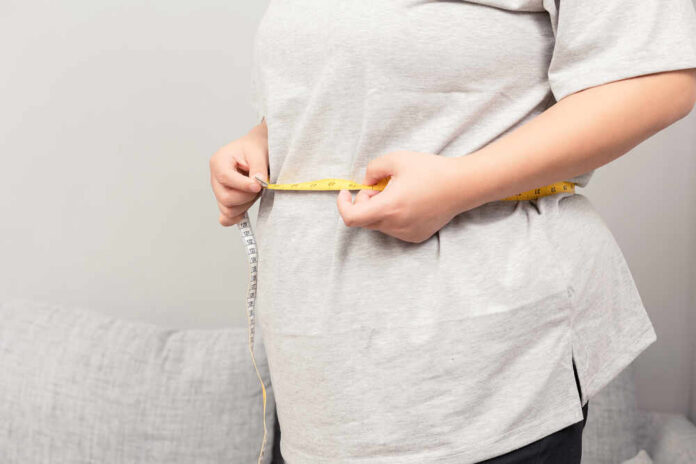
A dab of hormone gel plus rehab-style exercise may stop the most dangerous kind of belly fat from showing up when older women can least afford it.
Quick Take
- A University of Connecticut-led trial followed 66 women over 65 recovering from hip fractures for six months.
- All participants did therapeutic exercise; one group also used topical testosterone gel.
- The testosterone-plus-exercise group reduced visceral fat while the control group saw the expected age-and-injury-related increase.
- The result matters because visceral fat behaves like an internal troublemaker, raising metabolic and cardiovascular risks even when weight barely changes.
A Hip Fracture Can Trigger the “Bad Fat” Shift Nobody Warns You About
Jacob Earp’s team at the University of Connecticut studied a situation doctors see every day: an older woman breaks a hip, becomes less mobile, and her body composition quietly changes during recovery. The scale might not scream, but the waistline often creeps, driven by visceral fat that collects deep around organs. The trial targeted that specific shift, not cosmetic “belly pooch” worries, and that focus is what makes the findings unusually practical.
Visceral fat earns its reputation because it is metabolically active in all the wrong ways, tying into insulin resistance, inflammation, and higher cardiometabolic risk compared with subcutaneous fat under the skin. Aging already nudges fat storage inward; injury and forced inactivity can accelerate it. For readers who’ve watched an older relative “get softer” after a fall, this study speaks to that familiar, frustrating pattern—and proposes a way to interrupt it.
What the Researchers Actually Tested, Without the Usual Hype
The trial enrolled 66 women older than 65 who were recovering from hip fractures. Participants received therapeutic exercise, then the researchers added a simple variable: a topical testosterone gel for one group while the other group served as control. Body composition measurements at baseline and after six months showed a split-screen outcome—visceral fat decreased in the testosterone group while the control group experienced the expected increase over time.
The most intriguing detail is what did not happen. This wasn’t a generic “lose weight” story where every tissue shrinks and muscle gets sacrificed along with fat. The reported effect was selective: lower visceral fat without an emphasis on overall body fat loss. For older adults, that distinction matters. Aggressive weight loss often drags down muscle and strength, and strength is the currency that buys independence after a hip fracture.
Why Testosterone Shows Up in a Women’s Aging Story
Testosterone is not just a “men’s hormone.” Women produce it too, and levels tend to decline with age. The broader research context points to hormonal shifts as one driver behind the migration of fat from the hips and thighs toward the abdomen. Earp’s study effectively asked a blunt question with real-world consequences: if age-related hormone changes help steer fat inward, can carefully dosed testosterone, paired with exercise, steer it back?
Exercise during rehab sends “use this tissue” signals to muscle. Hormonal environment can amplify or blunt how the body partitions calories between muscle and fat, especially under stress and reduced activity. The study does not claim immortality in a tube, but it does support an evidence-first principle: fix the mechanism you can measure, and measure the outcome you care about—here, visceral fat during a known high-risk window.
What This Could Mean for Recovery, Costs, and Independence
Hip fractures in older women often mark the start of a cascade: less movement, less strength, more fear of falling, and more metabolic decline. If clinicians can prevent visceral fat from piling on during recovery, they may improve more than lab numbers. Better body composition can support mobility training, reduce cardiometabolic complications, and potentially shorten the path back to daily tasks. Those are quality-of-life wins that resonate far beyond a research lab.
From a health-system perspective, even small improvements matter because hip fractures are expensive and common. The study’s appeal is that it aims at a narrow, costly bottleneck: the months after a fracture when patients are vulnerable and rapidly decondition. A strategy that preserves strength while reducing visceral fat could, in theory, reduce downstream costs tied to diabetes, cardiovascular disease, and repeated hospital visits. The numbers will require larger trials, but the direction is compelling.
The Catch: Small Trials, Off-Label Temptations, and Safety Guardrails
The study is proof-of-concept, not a final verdict. Sixty-six participants and a six-month window can spotlight a signal, but it cannot answer long-term safety questions or define who benefits most. Testosterone use in women demands medical supervision because hormone therapy can carry side effects and isn’t a DIY project. The research also doesn’t grant a free pass to ignore sleep, diet quality, stress, and resistance training—the boring fundamentals still run the show.
That’s where values and judgment come in. The U.S. wellness market loves “one weird trick” narratives, and hormone stories can draw opportunists. The sober, defensible takeaway is narrower: under clinical oversight, targeted hormone support combined with exercise may help prevent a predictable, harmful fat redistribution in a high-risk group. That’s a far cry from blanket prescriptions or influencer-grade testosterone evangelism.
Where This Story Heads Next, If Researchers Keep Their Nerve
The next chapter should test broader populations, longer timelines, and clearer functional outcomes: walking speed, stair climbing, fall risk, and rehospitalization—not just scans. Researchers also need to pin down dose, screening, and monitoring so benefits don’t come with unacceptable tradeoffs. Parallel science is chasing other angles too, including specific fat-cell types implicated in age-related abdominal fat, which hints that future therapies may combine multiple levers.
For readers over 40, the practical punchline is simple and unsettling: belly fat isn’t always a willpower issue; sometimes it’s a recovery issue, a hormone issue, and a timing issue. This study suggests the most dangerous fat may be most preventable during moments when people assume decline is inevitable. That’s a hopeful message, but only if it stays tethered to careful medicine and hard outcomes, not hype.
Sources:
Harvard Health: How to get rid of belly fat
AARP: Lose belly fat after fifty
Mayo Clinic: Belly fat in women