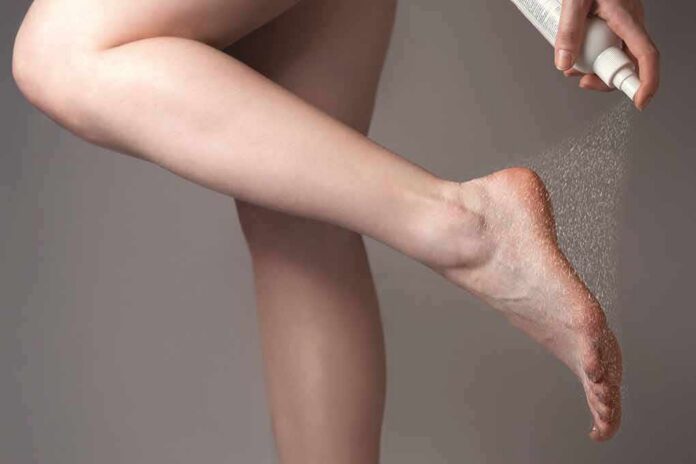
A writer spent one month retraining her feet from the ground up, and she came away feeling steadier, stronger, and more connected to the floor beneath her.
Quick Take
- A Mindbodygreen writer ran a 30-day foot-strengthening experiment using toe spacers, zero-drop shoes, and barefoot training
- Her routine mixed calf raises, short-foot exercises, toe-movement drills, and barefoot balance work
- She reported better single-leg stability, less foot fatigue, and stronger, more controlled lifts
- Outside research backs the general idea, though scientists call the evidence quality low to very low
What The 30-Day Foot Experiment Actually Involved
The writer described her approach as simple and unforced. She told Mindbodygreen it was “nothing extreme or highly regimented, just a month of deliberately integrating foot awareness into my daily life and seeing what I noticed”. That meant swapping some shoes, spacing her toes, and paying closer attention to how her feet moved during ordinary tasks like walking, training, and standing around the house.
Her daily work had structure even without a strict schedule. She explained the routine was “mostly… slow calf raises with an eccentric focus… short-foot exercises, some very humbling attempts at independent toe movement, and barefoot balance drills”. Each piece targeted a different weak link, from the calf muscles that control push-off to the small foot muscles most people never train on purpose.
The Results She Noticed In Her Body
By the end of the month, the changes showed up in movements that demand balance. She said she “felt more stable during single-leg exercises, especially things like split squats or RDLs, where balance matters more than you realize”. Those are exactly the moves where a wobbly foot usually gives itself away first, so steadier footing there suggests real adaptation in how her foot and ankle worked together.
Everyday fatigue dropped too. She reported “less foot fatigue after long walks, runs, or pickleball sessions”, a detail that matters for anyone over 40 who has felt their feet ache by the end of a busy day. In the gym, the payoff showed up under load. She said that “during heavy lifts at the gym, I felt stronger, in more control, and connected to the ground”, a sensation lifters often call ground connection, where the feet act like a stable base instead of a soft, shifting platform.
Why Science Says This Approach Has Real Logic Behind It
This is not just one writer’s hunch. A systematic review and meta-analysis found that minimalist footwear led to greater strength in toes two through five, and foot-specific exercises reduced excess arch motion during running. Research also shows combined programs mixing strength, balance, and agility work produce the clearest improvements in foot muscle size and control over multiple weeks. The catch is that researchers rate this evidence low to very low in certainty, mainly because study designs vary so much from one trial to the next.
Toe spacers specifically get a more mixed verdict. Reviews note the evidence base is small, often under 50 participants, with little long-term follow-up, and most benefit tracks back to active exercise rather than the spacers alone. One 2024 study even found toe spacers made no difference to balance or ankle movement in healthy people over the short term. Minimalist and barefoot footwear carries stronger backing on its own, with one source citing a 57.4 percent average foot strength improvement after six months of regular minimal-shoe use.
What This Means For Anyone Thinking About Trying It
The writer’s own advice reflects that nuance. She recommends starting small, with “two to three minutes of toe mobility in the morning or after activity,” and suggests people “go barefoot at home intentionally” rather than diving straight into minimalist shoes for every workout. That mirrors what podiatrists generally advise, since sudden changes to footwear can strain tissue that has not adapted yet. A gradual, multi-week transition protects against injury while still building real strength over time.
None of this proves one writer’s month erased decades of poor foot habits in a lab-tested, measured way. But her experience lines up with a growing body of research showing that deliberate attention to the feet, through exercise, barefoot time, and smarter footwear choices, can genuinely change how the rest of the body moves. For readers who spend their days in cushioned, narrow shoes and their feet barely do any work, that is a case worth taking seriously.
Strong, mobile feet are not a trend confined to barefoot enthusiasts or minimalist-shoe brands. They are the foundation every other movement in the body depends on, whether that is a deadlift, a long walk, or simply standing steady at 60 years old. A month of attention, it turns out, is enough to notice the difference.
Sources:
mindbodygreen.com, pmc.ncbi.nlm.nih.gov, runnersathletics.com, reddit.com