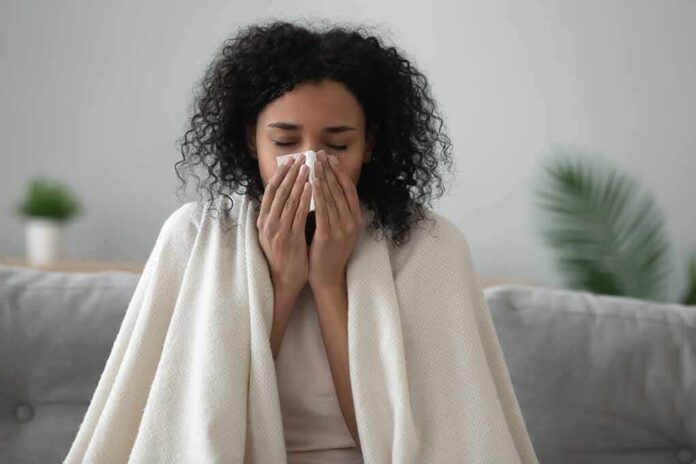
A 13-minute Talking With Docs video lays out five plain steps that actually cut your odds of catching cold after cold, and what to do when one still breaks through.
Story Snapshot
- The video sets five focus areas: reduce close contact, stay home when sick, mask fit, and ventilation, plus targeted symptom aids
- Vitamin C can slightly shorten colds if taken daily, but does not prevent them for most people
- Zinc started within 24 hours of symptoms may trim sick days; do not use intranasal forms
- Honey helps cough in kids older than one year; probiotics show modest, low-certainty prevention signals
What the video promises, and what the evidence actually supports
Talking With Docs posted “Why You Keep Catching Colds (5 Things That Actually Help)” on October 18, 2026. The listing highlights five levers: limit close contact with sick people, stay home when you are ill, use masks with attention to fit, and improve ventilation. The run time is 13:12, which suggests a focused checklist rather than a long lecture. These steps track with well-known infection control basics, including hand hygiene and cough etiquette from standard references.
Cutting exposure lowers risk. Crowded indoor spaces with stale air make spread easy. Better airflow dilutes virus particles. Staying home when you are sick reduces spread to others, which in turn lowers your own future exposure chain. Masks can add a layer in higher-risk places, but fit matters. A loose mask leaks. A snug seal at the nose and cheeks works better. These are common sense measures that align with how respiratory viruses move from person to person.
Vitamin C: small help on duration, not a shield
Daily vitamin C does not stop most people from catching colds. A review of 29 trials with more than 11,000 people found no drop in how often the general population gets colds. It did find a small cut in the number of sick days and severity for those who took it every day. Starting vitamin C only after you feel sick did not help in those studies. This is a nudge, not armor; plan your expectations accordingly.
That pattern fits how many over-the-counter aids perform. They often help you feel a bit better or get better a bit faster, not avoid the virus in the first place. For adults who value even a half day less of symptoms, that may be worth it. For others, the pill burden and cost may not be. Conservative common sense says match the tool to the payoff and skip magical thinking.
Zinc: timing, form, and side effects matter
Oral zinc may shorten a cold if started within 24 hours of the first tickle. Several summaries report fewer sick days when people begin zinc right away. Results vary by dose and lozenge type, and prevention data are weak. Side effects can include nausea, bad taste, and stomach upset. Do not use intranasal zinc. Intranasal products have been linked with loss of smell, which can be permanent.
Keep zinc simple. If you choose it, start fast, stick to the label, and keep the course short. People on medications that interact with minerals should talk with their clinician first. A small benefit can be fine if the risk and cost stay small too. That is a prudent trade many families can live with.
Honey for kids’ cough; probiotics for maybe fewer sick spells
Honey can ease nighttime cough for children older than one year. Studies found buckwheat honey outperformed placebo for cough frequency, cough severity, and sleep. Never give honey to infants under one year due to botulism risk. Adults may not get the same benefit, since the best data focus on kids with colds. A spoon before bed can help a child rest, and that helps the whole house rest too.
Probiotics show hints they can reduce how many upper-respiratory infections people get and how long they last. A review of thirteen trials found better outcomes than placebo, but the evidence quality was low to very low. Strains, doses, and durations were not consistent across trials. That makes a single take-home dose hard to name with confidence. If you try probiotics, set a trial period, track results, and reassess.
Practical playbook: exposure down, recovery up
Stack your odds where they count. Spend less time in crowded, poorly ventilated rooms during peak cold months. Crack windows, use fans, and maintain filters at home. Stay home when sick to protect others and shorten the cycle in your circle. Wash hands often and avoid face-touching. If you get sick, consider daily vitamin C in advance for a small duration edge, prompt oral zinc for a short course, and honey for kids’ coughs over one year.
Sources:
youtube.com, health.harvard.edu, nccih.nih.gov