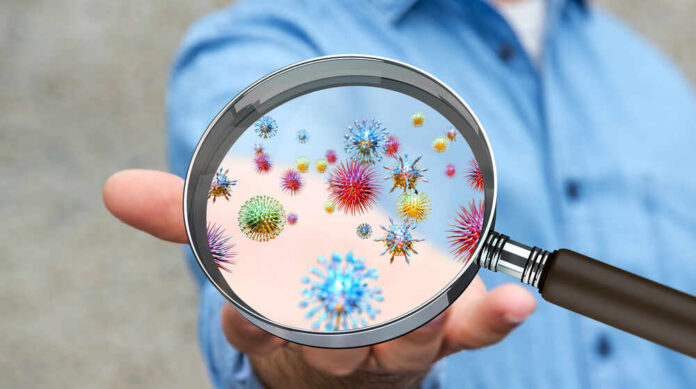
The microscopic organisms hiding in your drinking water and swimming pool are far more dangerous than anyone realized, and they’re spreading faster than scientists can track them.
Quick Take
- Free-living amoebae survive chlorine, heat, and modern water treatment, making them nearly impossible to eliminate from distribution systems
- These organisms act as “Trojan horses,” sheltering deadly bacteria and viruses while protecting them from disinfection and potentially spreading antibiotic resistance
- Climate change is expanding amoeba habitats into regions where they were previously rare, with recent outbreaks already occurring in multiple countries
- The most notorious species, Naegleria fowleri, causes brain infections with a 95-99 percent mortality rate when contaminated water enters the nose
- Scientists are calling for urgent coordinated action combining environmental monitoring, water management, and improved diagnostics before this hidden threat becomes a global crisis
The Invisible Invaders We’ve Underestimated
Free-living amoebae are single-celled organisms naturally found in soil and water worldwide, yet most people have never heard of them. While most species cause no harm, certain varieties represent one of the most insidious threats to public health that few governments are adequately preparing for. Researchers at Sun Yat-sen University recently published a perspective in the journal Biocontaminant warning that these organisms are becoming a growing global menace, driven by climate change, aging infrastructure, and dangerous gaps in monitoring systems.
Why These Organisms Are Nearly Unstoppable
What makes free-living amoebae particularly alarming is their extraordinary resilience. Unlike most microbes that succumb to standard water treatment, these organisms tolerate high temperatures, strong disinfectants like chlorine, and survive inside water distribution systems that people assume are safe. They thrive in warm water above 25 to 30 degrees Celsius, making them increasingly comfortable in a warming world. This resilience means traditional water safety measures provide a false sense of security to millions of unsuspecting consumers.
The most notorious species, Naegleria fowleri, earned its grim nickname “brain-eating amoeba” for good reason. When contaminated water enters the nose during swimming or diving, the organism travels along nasal passages directly to the brain, where it destroys tissue and causes primary amebic meningoencephalitis. The mortality rate ranges from 95 to 99 percent. Globally, 381 cases have been reported, though the true number is likely much higher due to underreporting and misdiagnosis.
The Trojan Horse Effect That Changes Everything
The danger extends far beyond the amoebae themselves. These organisms act as protective hosts for other deadly pathogens, sheltering bacteria like Mycobacterium tuberculosis and Legionella pneumophila inside their cells. Viruses including norovirus and adenovirus also hide within amoebae, shielded from the disinfection processes that would normally eliminate them. This “Trojan horse effect” allows pathogens to persist longer in water systems and potentially spread more easily to human hosts.
Scientists link this sheltering behavior to the broader antibiotic resistance crisis. Microbes that survive inside amoebae adapt and become harder to kill, contributing to the evolution of drug-resistant strains. By protecting these pathogens from environmental stress and disinfection, amoebae inadvertently accelerate humanity’s most pressing medical challenge. The implications are staggering: a single glass of contaminated water could deliver multiple drug-resistant pathogens directly into someone’s body.
Climate Change Is Opening New Frontiers for Amoebae
Rising global temperatures are expanding the geographic range of heat-loving amoebae into regions where they were previously rare or nonexistent. Regions that never faced this problem before may soon see new infections as waters warm. Recent outbreaks linked to recreational water use have already raised public concern in several countries, signaling that this is no longer a theoretical threat but an emerging reality. Lakes, pools, and water parks create ideal conditions for exposure, especially during heat waves.
The aging infrastructure that supplies drinking water to billions compounds the problem. Pipes corrode, treatment systems fail to keep pace with demand, and monitoring gaps allow contamination to go undetected. In developing nations with limited resources for water infrastructure upgrades, the vulnerability is acute. Communities in India, for example, have experienced frequent Naegleria fowleri outbreaks, particularly in states like Kerala, underscoring how regional vulnerabilities translate into real human suffering.
What Experts Say We Must Do Now
Longfei Shu, the corresponding author of the research, emphasized that amoebae exist at the intersection of medical and environmental issues, requiring a holistic response that spans both domains. Scientists are calling for a coordinated One Health approach that connects human health, environmental science, and water management. This means stronger surveillance systems to detect amoebae before outbreaks occur, improved diagnostic tools to identify infections quickly, and advanced water treatment technologies that go beyond traditional chlorination.
Prevention strategies include keeping water systems properly chlorinated, flushing hot water systems regularly, and following safe recreational water and contact lens hygiene guidelines. Yet these measures alone are insufficient without systemic change. Water utilities worldwide need upgrades to their infrastructure. Tourism industries dependent on lakes and pools face potential regulatory restrictions. Pharmaceutical companies must accelerate research into treatments that work against both the amoebae and the resistant pathogens they harbor.
Scientists sound alarm as dangerous amoebas spread globallyhttps://t.co/Dbbt8dWok7
— Sun5 (@55Sun5) May 3, 2026
The window for action is narrowing. As global temperatures continue rising and water systems age without adequate investment, the conditions favoring amoeba proliferation will only worsen. Early coordinated action can prevent a hidden threat from becoming a global crisis. Delay risks transforming these microscopic organisms from a rare concern into a defining public health emergency of the coming decades.
Sources:
Scientists warn of a growing global threat from amoebae in water
Scientists call for urgent action as dangerous amoebas spread
Dangerous amoebas are spreading worldwide as waters warm
Naegleria fowleri Infections – CDC