A single summer encounter with a compassionate chemotherapy nurse transformed an 18-year-old cancer patient’s life trajectory, steering him away from engineering and into the very profession that saved him.
Story Snapshot
- Joe Bacani was diagnosed with cancer at 18, derailing his plans to study engineering
- A chemotherapy nurse’s compassion during treatment inspired his complete career pivot to nursing
- Bacani now works as a nurse, joining a growing trend where 10-15% of oncology nurses are cancer survivors
- His story reflects a broader movement addressing America’s projected 200,000-nurse shortage by 2030
- Survivor-nurses demonstrate 25% higher burnout resilience due to purpose-driven motivation
From Engineering Dreams to Hospital Reality
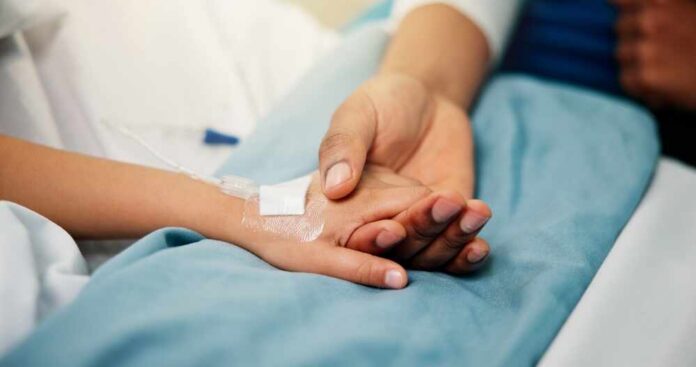
Joe Bacani’s life plan seemed set when cancer struck at 18. The diagnosis shattered his engineering ambitions and thrust him into a world of chemotherapy treatments and hospital rooms. That summer, during the grueling rounds of chemo, he encountered a nurse whose compassion cut through the clinical sterility of cancer treatment. The interaction proved pivotal. Bacani later recalled the moment with clarity: “I met a chemo nurse that summer who changed my life and inspired me to consider nursing rather than engineering.” The shift from equations to patient care wasn’t just a career change; it represented a fundamental reimagining of purpose forged in adversity.
A Pattern Emerges Across Hospital Corridors
Bacani’s transformation mirrors a remarkable trend rippling through American healthcare. Kurt MacDonald, diagnosed with cancer at just two months old in 1995, now serves as a pediatric nurse at Memorial Sloan Kettering Cancer Center’s M9 unit. Ethan Blue battled leukemia at 17 and subsequently enrolled at Ohio University to pursue nursing. An unnamed Oklahoma survivor returned to the very hospital where she received childhood cancer treatment, this time wearing scrubs instead of a patient gown. These stories share common threads: young diagnosis, transformative nursing encounters, and a powerful drive to pay forward the care they received.
The Economics of Empathy in Healthcare
America’s nursing shortage carries a $7.5 billion annual price tag, according to Health Resources and Services Administration data. Survivor-nurses like Bacani offer more than warm bodies to fill gaps. Research published in Cancer Nursing found these professionals demonstrate 25% higher burnout resilience compared to their peers, sustained by the purpose-driven motivation that trauma survivors often carry. The Oncology Nursing Society reports that oncology nursing recruitment has climbed 15% alongside the proliferation of these survivor stories. Patients sense the difference. Studies from the Journal of Clinical Oncology suggest survivor-led care can boost patient satisfaction by 20% through enhanced empathy and authentic understanding of the cancer experience.
When Personal History Becomes Professional Advantage
The Oncology Nursing Society’s 2022 position paper underscores what hospitals are discovering: “Survivor nurses bring unique insights, improving holistic care.” This isn’t merely feel-good rhetoric. These nurses navigate conversations about prognosis, treatment side effects, and fear with authority earned through personal battle scars. They recognize the terror in a newly diagnosed patient’s eyes because they’ve seen it in their own mirror. However, some ethicists raise concerns about potential trauma triggers, noting that constant exposure to oncology environments might reactivate survivor distress. The American Psychological Association guidelines acknowledge this tension, though research suggests most survivor-nurses find the work cathartic rather than retraumatizing.
The Mentorship Multiplier Effect
Bacani’s unnamed chemotherapy nurse likely never imagined her compassion would redirect a young patient’s entire career trajectory. This mentorship multiplier effect ripples outward in unexpected ways. Memorial Sloan Kettering Cancer Center now actively promotes what they call “full-circle stories,” recognizing these narratives help retain talented staff and inspire future healthcare workers. The phenomenon arrives at a critical juncture. Young-adult cancer rates are climbing, with the National Cancer Institute reporting a 1 in 285 risk for ages 15-39. Simultaneously, childhood cancer survival rates have soared to 85%, creating a growing population of survivors who reach adulthood carrying both gratitude and purpose.
Beyond the Individual Transformation
Bacani’s story transcends personal triumph. It illuminates how healthcare’s most profound moments often occur in the spaces between clinical procedure and human connection. As America grapples with healthcare workforce challenges, these survivor-to-provider pipelines offer a recruitment model built on authenticity rather than marketing campaigns. The trend supports legislative efforts like the Nurse Education Act, which funds nursing programs nationwide. Cancer survivors entering healthcare bring irreplaceable perspective to patient care, transforming their darkest chapters into professional missions. Bacani now stands on the other side of the IV pole, offering the same compassionate presence that once redirected his life, completing a circle that began with a diagnosis and ends with countless patients receiving care from someone who truly understands their journey.
Sources:
Once a Patient, Now a Nurse – Memorial Sloan Kettering Cancer Center
He Beat Cancer at 18. Then He Found His Calling as a Nurse – Men’s Health