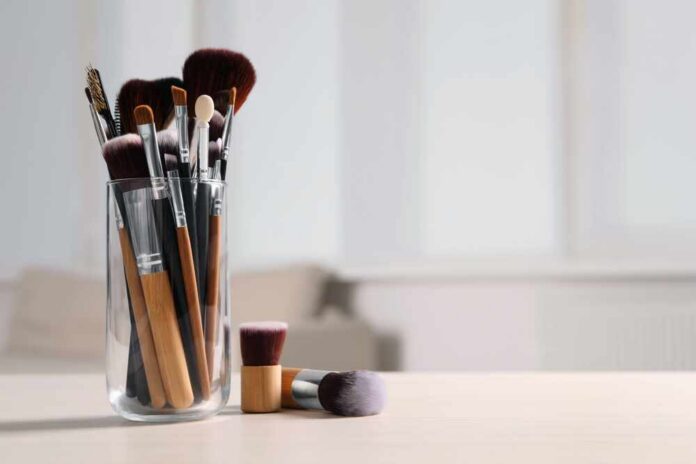
Your soft, fluffy makeup brush may be holding more bacteria than a public toilet seat—and your face is the landing zone.
Story Snapshot
- Most used makeup brushes and sponges tested are contaminated with bacteria that can cause real infections.
- Studies have found Staphylococcus, E. coli, and other problem germs living in everyday beauty tools.
- Almost half of people rarely wash their brushes, even when they notice skin issues.
- Weekly cleaning is a simple, low-cost way to protect your skin and your eyes from trouble.
Your Makeup Brush Is Not As Innocent As It Looks
Researchers who swab real-world makeup tools are not finding a few harmless germs. They are finding heavy, mixed colonies of bacteria on most brushes and sponges they test. One peer-reviewed study that analyzed 71 strains from used brushes and beauty blenders found that 81 percent of the isolates were gram positive bacteria, with Micrococcus and Staphylococcus as the dominant families. That same study identified Staphylococcus aureus, a well-known cause of skin and wound infections, living on everyday cosmetic tools.
Other research has reached similar, sometimes more alarming numbers. Work done in Nigeria on campus and nearby salons found that about 77 percent of brushes carried bacteria, with Staphylococcus epidermidis as the most common species and Staphylococcus aureus and Candida also present. A commercial study cited by media claimed brushes held millions of bacterial colonies and far more contamination than a toilet seat, and while those exact counts may be hyped for clicks, they reflect a real pattern: used brushes are rarely clean once they meet human skin, bathroom air, and makeup pans.
What Is Crawling On Those Bristles And Why It Matters
The mix of germs on dirty brushes should make any practical conservative pause. Scientists have found Staphylococcus species, Micrococcus, Bacillus, Pseudomonas aeruginosa, and sometimes Escherichia coli on cosmetic applicators. Staphylococcus aureus can cause boils, cellulitis, and more serious infections if it reaches broken skin or eyes. Pseudomonas aeruginosa thrives in damp tools and can trigger severe skin problems, especially in people with weak immune systems. Escherichia coli belongs in the gut, not on cheeks and eyelids, and its presence points straight to poor hygiene habits.
Doctors who work with real patients see the results. Beacon Health System explains that bacteria from everyday items like brushes and bags move easily to the face and eyes, where they can cause pink eye, acne, sties, and allergic reactions. That is not a scare tactic; it fits basic infection control. You repeatedly press a contaminated tool onto warm, slightly oily skin near sensitive openings. Over time the odds of clogged pores, inflamed follicles, or eye irritation rise, even if you never end up in an emergency room.
The Human Factor: Rarely Washed Tools, Predictable Problems
The most sobering part of the peer-reviewed brush study was not only what grew in the lab but how people admitted they use their tools. Out of 370 participants, 44.3 percent said they rarely clean their brushes. More than one in four reported skin issues they linked to contaminated tools. That is not a controlled medical trial, but it is a strong signal: common habits are sloppy, and a noticeable chunk of users believe their skin is paying for it.
Dermatologists like Donald B. Yoo and others quoted in skin care education outlets push for simple discipline: clean brushes once a week. When patients follow that plan, they report smoother makeup application and fewer breakouts. We wash dinner plates and gym clothes after use. Leaving pigment, oil, and skin cells in a warm, closed makeup bag for weeks and then rubbing them back into pores is the opposite of basic hygiene.
Where Risk Turns From Gross To Dangerous
Most adults will not become paralyzed from a dirty brush, but extreme cases show what can happen when bacteria get a perfect opening. A reported case from Australia describes a woman who developed a severe Staphylococcus infection after sharing makeup tools with a friend, leading to paralysis in her arms and legs. The blog report is not a formal medical paper, so we should treat that story as a cautionary example rather than settled science. Still, it tracks with known behavior of aggressive Staphylococcus strains in the wrong place.
Shared brushes multiply the danger. Studies of tools used by professional beauticians have found Pseudomonas aeruginosa and Bacillus on every sampled brush, with fungi heavily contaminating sponges. Those germs move from face to face all day. For a healthy person, that might mean a stubborn rash. For someone with diabetes, cancer treatment, or a weak immune system, the stakes can be much higher.
Media Hype, Industry Spin, And The Simple Truth
Headlines that shout “dirtier than a toilet seat” sound made for clicks, and many are. Large beauty brands and tool makers also have reasons to downplay risk so they do not scare buyers or invite new regulations. That tug-of-war is familiar across the beauty world, from “clean” marketing claims to lawsuits over chemicals. However, in this case the core facts do not rely on hype: independent, peer-reviewed work shows most used brushes carry real bacteria, and many users rarely clean them.
From a right-of-center view, the best response is not panic or blind trust in marketing. It is low-cost, personal action. Wash brushes weekly with mild soap, rinse well, and let them dry fully. Avoid sharing tools, especially around the eyes and mouth. Replace badly worn or smelly sponges. These steps protect your own health and reduce the burden on doctors and the system at large. Freedom works best when we handle basic hygiene ourselves instead of waiting for rules from Washington.
Sources:
artofhealthyliving.com, uvebeauty.com, euroinstituteofskincare.com, pmc.ncbi.nlm.nih.gov, stylideas.com, bswhealth.com, reddit.com, facebook.com, tks-hpc.h5mag.com