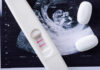
A major study of more than 5,000 pregnant women found an average of 45 chemicals in their bodies — and several of those chemicals were directly tied to early birth and lower birth weight.
Story Snapshot
- Researchers found an average of 45 chemicals per pregnant woman, with some women carrying as many as 64 different chemicals at once.
- One common plasticizer was linked to a 48% higher chance of preterm birth. Another raised those odds by 16%.
- Replacement chemicals — swapped in after older ones were banned — are showing the same harmful patterns as the chemicals they replaced.
- The study is observational, meaning it shows links, not proof of direct cause. But the links are strong and specific.
What Researchers Actually Found in Pregnant Women
Scientists tested urine samples from women giving birth between 2000 and 2021. The results were striking. Every woman tested had multiple chemicals in her system. The average was 45. Some had 64. These were not exotic industrial toxins. They included phthalates found in plastics and personal care products, polycyclic aromatic hydrocarbons from combustion, and flame retardants used in furniture and electronics.
The researchers did not just count chemicals. They looked at outcomes. Higher levels of a plasticizer called diisononyl phthalate were tied to delivery 0.6 days earlier and a 16% higher chance of preterm birth. A compound called phthalic acid was linked to delivery 1.1 days earlier and a 48% higher chance of preterm birth. Both chemicals also connected to lower birth weight for the baby’s gestational age. These are not rounding errors. These are consistent, measurable signals across thousands of births.
The “Safe Replacement” Problem That Keeps Repeating
Here is where the story gets darker. For decades, when a chemical was found to be harmful, manufacturers swapped it out for a similar one. Bisphenol A, known as BPA, was widely removed from products after public pressure. The replacement, bisphenol S, was marketed as safer. This study found bisphenol S in more than 93% of pregnant women tested. And it is now showing the same red flags as BPA. The senior researcher on the study put it plainly: “We found that several newer chemicals used to replace toxic ones are also harmful.”
This pattern has a name in the scientific community. It is called regrettable substitution. A chemical gets restricted. A structurally similar one takes its place. Ten to twenty years later, researchers find the same problems. The cycle then repeats. Phthalates went through this cycle. Flame retardants went through it. Bisphenols are going through it now. The question worth asking is not whether this is happening — the data says it clearly is — but why regulators keep allowing it.
Why Regulators Have Been Slow to Act
The Environmental Protection Agency (EPA) and the Food and Drug Administration (FDA) have historically moved slowly on chemical restrictions. The FDA banned certain antibacterial agents in 2016, but many chemicals with known risks remain on the market. Replacement chemicals, in particular, often skip the rigorous pre-market safety testing that would catch harm early. Industry groups have consistently argued that replacements are safe, and regulators have largely accepted those assurances until studies like this one prove otherwise.
Study Finds Chemical Exposure in Pregnant Moms May Raise Risk of Early Birth
Desai et al. conduct untargeted high-resolution metabolomics profiling to identify metabolites and pathways linking PBDE exposure and preterm birth in a cohort of pregnant African American women in… pic.twitter.com/EFKekOnl09
— Biohack Yourself Media (@biohackyourself) July 2, 2026
There is a reasonable scientific caveat worth stating clearly. Urine samples capture recent exposure, not a lifetime of accumulation. The study shows associations, not definitive proof of cause and effect. Confounding factors — diet, income, location — are hard to fully control. These are real limitations. But they do not cancel out specific findings like a 48% jump in preterm birth odds tied to a single measurable compound. Skeptics who wave away this research with “it’s just associations” are applying a standard they would never use to dismiss a drug trial showing similar effect sizes.
What Pregnant Women Can Actually Do Right Now
The lead researcher acknowledged that people have “limited control over exposures.” That is true. You cannot opt out of air, food packaging, or the furniture in your home. But some steps do reduce exposure. Avoiding plastics labeled with recycling codes 3, 6, and 7 cuts phthalate and bisphenol contact. Choosing fragrance-free personal care products removes a major phthalate source. Ventilating your home and vacuuming regularly reduces flame retardant dust. None of these are perfect solutions. They are harm-reduction steps in a system that has not yet caught up to the science.
The Bigger Problem No One Wants to Say Out Loud
The real issue here is not a single study. It is a regulatory system that puts the burden of proof on researchers rather than manufacturers. Under current rules, a chemical is assumed safe until proven otherwise — and proving otherwise takes decades of data, thousands of births, and peer-reviewed studies that industry can then dispute on methodological grounds. Meanwhile, pregnant women carry 45 chemicals in their bodies. Babies arrive early. Birth weights drop. And the cycle of regrettable substitution quietly continues. The science is ahead of the policy. It has been for a long time.
Sources:
sciencedaily.com, ehn.org, hub.jhu.edu, pmc.ncbi.nlm.nih.gov, lindsaydahl.substack.com, pod.ucdavis.edu