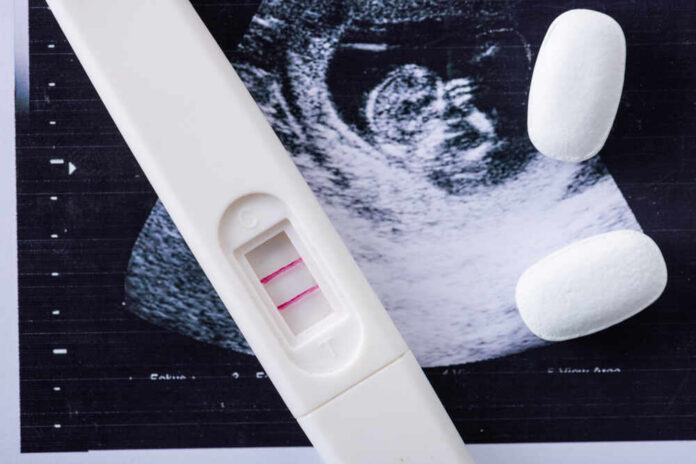
Nearly half of women who freeze their eggs later regret it — and the medical body that says the procedure is ethically sound admits it still doesn’t know how long frozen eggs stay viable.
Quick Take
- Egg freezing is medically permissible, but the American Society for Reproductive Medicine says key long-term safety data is still missing.
- Each frozen egg has only a 5 to 10% chance of becoming a baby — a fact that often gets lost in the “fertility insurance” pitch.
- The best time to freeze eggs is before age 32 to 33, when egg quality is highest and success rates are strongest.
- Nearly half of women in one study felt regret after freezing their eggs, often tied to getting poor information upfront.
What Egg Freezing Actually Is — And Is Not
Egg freezing, known medically as oocyte cryopreservation, lets women pause their biological clock by storing eggs at their current quality. Frozen eggs do not age in storage — they stay exactly as they were on the day they were collected. That part is real and well-supported. But the leap from “preserved eggs” to “guaranteed baby later” is where the science gets complicated, and where too many women get misled.
The American Society for Reproductive Medicine (ASRM) Ethics Committee calls the procedure ethically permissible and says it may help women avoid future infertility. But the same committee admits that science has not yet established whether there is a shelf life for frozen eggs or confirmed the long-term safety for children born from them. That is not a minor footnote — it is a foundational gap.
The Numbers Clinics Don’t Lead With
Here is the stat that changes everything: each frozen egg carries roughly a 5 to 10% chance of becoming a baby. Egg survival after thawing runs 85 to 90%, which sounds great. But surviving the thaw is only the first step. The egg still has to fertilize, develop into a viable embryo, implant successfully, and result in a live birth. Every step cuts the odds. A woman who freezes 10 eggs at age 32 might reasonably expect one baby — maybe two if she is lucky.
Age is the biggest variable in all of this. Fertility drops sharply around age 37, and by age 40 a woman has roughly a 5% chance of conceiving naturally. Eggs frozen before age 32 to 33 show the best results. Women who wait until their late 30s to freeze often find the math works against them — fewer eggs retrieved, lower quality, and higher costs for a smaller payoff.
The Real Cost Nobody Quotes You
The upfront cost of one egg freezing cycle is significant, but freezing eggs costs about half as much as creating embryos, which means a woman could do two retrieval cycles for the price of one embryo banking cycle. That sounds like a deal. What gets left out of that conversation is what comes later. Storage fees, thawing, in vitro fertilization (IVF), and embryo transfer can add $5,000 to $15,000 more on top of what you already spent. The total bill can surprise women who thought the hard part was over once the eggs were frozen.
The procedure itself is not a huge time burden. Most patients complete it in about two weeks with five clinic visits. Hormone injections stimulate egg production, a doctor retrieves the eggs, and they go into storage. In less than 5% of cases, a side effect called ovarian hyperstimulation syndrome can require monitoring or rest, and in rare cases under 1% it may need medical treatment. Serious complications are uncommon, but they are real and worth knowing about before you start.
The Regret Nobody Talks About
Here is the number that deserves far more attention: in one study of 201 women, nearly 49% experienced some regret after freezing their eggs. The ASRM found that regret was higher among women who felt they received inadequate information or emotional support going in. That is a counseling failure, not just a medical one. Women who go in with clear, honest expectations fare better emotionally — which is exactly why the “empowerment” marketing around egg freezing can do real harm when it glosses over the odds.
Yale professor Dr. Marcia Inhorn, who has studied this closely, puts it plainly: egg freezing is not fertility insurance. She found that many women who tried to use their frozen eggs discovered they did not work. The procedure offers a chance — a real one, especially for younger women — but not a guarantee. Any doctor or clinic that frames it as a sure thing is not being straight with you. The honest answer is that egg freezing is a reasonable option worth serious consideration, but only when a woman walks in with full knowledge of what the numbers actually say.
Sources:
youtube.com, asrm.org, https://pmc.ncbi.nlm.nih.gov/articles/PMC4321210/, https://www.sciencedirect.com/science/article/pii/S0015028220323979