New research suggests your anxious gut and racing mind may both trace back to the tiny microbes living in your intestines, not some vague “stress problem” in your head.
Story Snapshot
- IBS and anxiety share genetic roots and distinct gut microbiome patterns, not just “stress.”
- Specific bacteria rise and fall when anxious IBS patients restrict food, changing key gut chemicals.
- Transplanting gut microbes can shift anxiety and mood, hinting at a shared biological driver.
- Big institutions admit IBS does not start in the brain, yet treatment still leans brain-first.
The old “it’s just anxiety” story is breaking down
Doctors have told people with irritable bowel syndrome for years that stress and anxiety are the main problem. Many patients heard a polite version of “it is all in your head.” That story no longer fits the facts. A large review notes that many people develop gut symptoms first, then anxiety and depression later, not the other way around. Gut trouble leads, mood follows. That alone should make any honest clinician pause. At the same time, about half of people with irritable bowel syndrome report strong psychological symptoms, so the mind is clearly involved. The question is how, and what starts the fire.
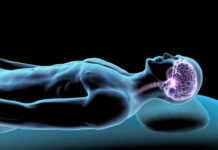
Scientists now talk about a “gut–brain axis,” a two-way highway between your intestines and your nervous system. Signals travel through nerves, hormones, and immune chemicals. The microbes inside your gut sit right on this highway. Reviews in major medical journals describe how changes in gut bacteria can affect mood, pain, and even how the brain responds to stress. This does not erase personal responsibility or mindset, but it does challenge the lazy habit of blaming patients’ emotions instead of their biology.
Anxious eating, missing microbes, and a noisy gut alarm
Fresh data from Digestive Disease Week 2025 looked directly at anxious irritable bowel syndrome patients and their diets. People who feared their symptoms the most restricted food the hardest. That fear-driven eating pattern did not just change their menu; it changed their microbiome. Restrictive diets were linked to more Eubacterium and Parabacteroides merdae and less Faecalibacterium, a genus tied to a healthy gut lining and anti-inflammatory short chain fatty acids. In plain English, anxiety about pain pushed people to starve their microbes, and the “good guys” thinned out.
Other studies show that, across many patients, irritable bowel syndrome comes with lower levels of helpful Lactobacillus and Bifidobacterium and higher levels of Escherichia coli and Enterobacter compared with healthy people. That shift matters, because these microbes help produce short chain fatty acids and other chemicals that calm inflammation and shape how the gut senses pain. When they drop, the gut alarm system can become “viscerally hypersensitive,” meaning normal gas or stretch feels like a threat. Anxiety does not create that sensitivity out of thin air; it turns the volume knob even higher on an already overactive system.
When your gut microbes echo your social anxiety
Researchers have now shown that even “pure” social anxiety disorder comes with a distinct microbiome fingerprint. A 2023 Nature paper found that people with social anxiety had different gut bacteria, including more Anaeromassilibacillus and Gordonibacter, plus shifts in pathways that break down the amino acid aspartate. These pathways link to brain signaling and energy use. Critics claim anxiety is driven only by brain circuits and life events, but they have not yet answered why anxious people keep showing the same microbial and metabolic patterns.
Genetic work pushes the story further. A large study funded by the National Institute for Health and Care Research found that the same genetic makeup that increases irritable bowel syndrome risk also raises risk for common mood and anxiety disorders. Researchers stressed that this does not mean anxiety causes irritable bowel syndrome or that bowel symptoms cause anxiety. Instead, shared genes may change nerve cell development in both brain and gut. People with both conditions in that study were also more likely to have frequent antibiotics in childhood, and the authors suggested that early damage to gut flora might alter nerve development and mood. That is not fringe theory; that is mainstream, cautious science.
Microbe swaps, mood shifts, and what counts as “cause”
Animal and human work on fecal microbiota transplantation adds a stronger clue. Reviews of this research report that transferring gut microbes from healthy donors to people with irritable bowel syndrome can reduce anxious and depressive symptoms, while transplants from unhealthy donors have triggered new depression in recipients. That kind of “behavior transfer” through microbes should make anyone rethink simple brain-first models. You do not catch a childhood memory through a fecal transplant, but you can catch a biochemical state that makes anxiety more likely.
Still, careful reviewers note that we cannot yet say gut bacteria alone cause irritable bowel syndrome or anxiety in humans. Microbiome patterns vary among patients, and some of the changes may be a response to pain, diet, or stress. Respect for evidence means not overselling probiotics as miracle cures. Personal responsibility means working on sleep, diet, and stress while the science sorts out more details. At the same time, fairness means stopping the reflex to blame patients’ minds when their microbes and genes are clearly involved.
What this means if you are the one living it
If you live with irritable bowel syndrome and anxiety, this research gives two hard truths and one real hope. First, you are likely not imagining the link; your symptoms fit a known gut–brain–microbiome pattern. Second, no single pill or microbe will “fix” everything tomorrow; the system is complex, and both mind and gut matter. Third, the old story that your bowel trouble is just nervousness is falling apart. Big institutions now admit the origin is not simply in the brain.
That means you can push back, politely but firmly, when you hear “it’s just stress.” Ask your doctor about diet that does not wreck your microbiome, about cautious use of probiotics with real data behind them, and about therapies that calm your nervous system without denying your biology. The gut microbes are not an excuse. They are a missing piece of the puzzle that finally makes your lived experience make sense.
Sources:
mindbodygreen.com, gastroenterologyadvisor.com, nature.com, gutmicrobiotaforhealth.com, pmc.ncbi.nlm.nih.gov, sciencedirect.com