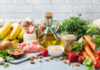
Seven foods can do a lot of quiet work for the gut microbiome, and a registered dietitian put garlic, onions, raspberries, oats, day-old rice, lentils, chia seeds, and bananas at the top of that practical list.
Quick Take
- Registered dietitian Cara Macyver named seven foods she uses to support gut health in everyday meals.
- The list focuses on foods people can buy and eat, not just rare ingredients with the highest measured prebiotic scores.
- Garlic and onions stand out because they are well-known sources of prebiotic fibers such as fructans and inulin.
- Oats, lentils, chia seeds, raspberries, bananas, and cooled rice add fiber that helps feed gut bacteria.
Pantry Staples Quietly Reboot Gut Health
Cara Macyver’s list works because it turns a complex topic into a grocery list. Instead of chasing supplements or obscure powders, she points to foods many families already know how to cook. That matters because prebiotics are not a single ingredient. They are fibers and related compounds that pass through the small intestine and feed helpful bacteria in the large intestine.
That simple idea explains why garlic and onions keep showing up in prebiotic research. Reviews and health guidance consistently place them among the best-known food sources, along with bananas, oats, and legumes. Scientific reviews also describe prebiotics as carbohydrates that resist digestion and reach the colon, where gut microbes ferment them.
Why These Seven Foods Keep Showing Up
The strongest clue is not mystery, but repetition. Garlic, onions, bananas, oats, and lentils appear again and again in dietitian guides and scientific summaries because they are easy to eat often and easy to build into normal meals. Chia seeds and raspberries widen the list with extra fiber and fruit-based options, which helps people avoid getting stuck on one “superfood” idea.
Day-old rice may surprise people, but the logic is familiar. Cooling cooked rice changes some of its starch into resistant starch, a form that can escape digestion and act more like a prebiotic fiber. That makes it a useful fit for meal prep, salads, and leftovers. The science behind that idea is broader than any one food trend, because the gut microbiome responds to patterns, not one perfect bite.
What Makes Prebiotics Different
Prebiotics feed beneficial bacteria. Probiotics are the live microbes themselves. That difference matters because people often mix them up and then chase the wrong fix. Prebiotics work best as part of a mixed, fiber-rich diet built from vegetables, fruit, legumes, and whole grains. They do not replace medical care, and they do not need to come in a fancy package to be useful.
There is also a quiet tension in the way nutrition advice gets translated for the public. Research rankings often highlight the foods with the highest measured concentrations, like garlic, leeks, onions, and Jerusalem artichokes. Dietitians, by contrast, often favor foods people will actually eat. That tradeoff is not a flaw. It is the difference between lab data and a workable dinner plan.
How This List Fits Real Life
The strongest version of this advice is not “eat these seven foods and stop.” It is “use these seven foods often enough that your gut microbes get steady fuel.” Garlic can go into soup. Onions can go into eggs, burgers, and stews. Oats can anchor breakfast. Lentils can stretch a meal. Bananas, raspberries, chia seeds, and cooled rice each add variety without demanding a total diet overhaul.
That is why the list has staying power. It gives people a simple way to start, while still matching the larger science that prebiotic fibers support gut bacteria and belong in a broader high-fiber eating pattern. The details may change as research grows, but the core lesson stays the same: the gut likes consistency, and the pantry can do more work than the supplement aisle.
Sources:
mindbodygreen.com, nutrition.org, pmc.ncbi.nlm.nih.gov, monash.edu, chop.edu, healthline.com, health.harvard.edu, va.gov, goodrx.com, zoe.com, mdanderson.org, cdhf.ca