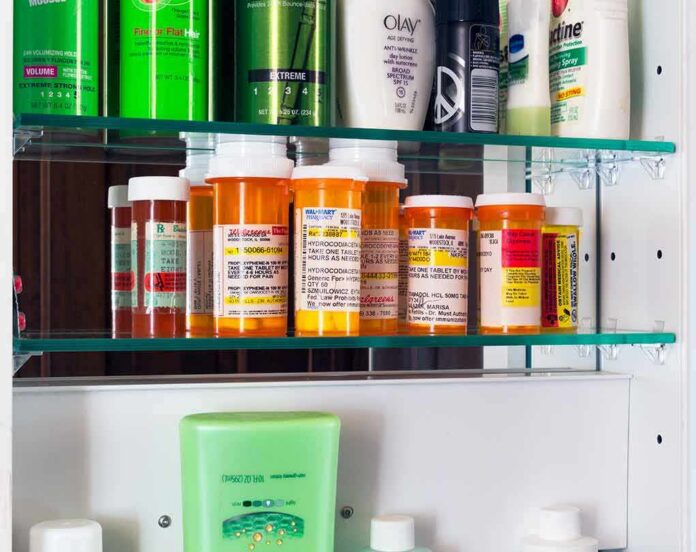
Millions of Americans now take a weekly shot to lose weight or control blood sugar, and most of them will feel sick to their stomach at some point because of it.
Quick Take
- Nausea, vomiting, diarrhea, and stomach pain are listed as common side effects on official drug labels for GLP-1 medicines like Ozempic and Wegovy.
- The Food and Drug Administration (FDA) label warns patients to stop the drug right away if they show signs of pancreatitis or a serious allergic reaction.
- Doctors say raising the dose slowly, not quickly, is the main tool for keeping side effects manageable.
- Dehydration from vomiting or diarrhea can lead to kidney trouble, so fluid intake matters more than many patients realize.
What The Official Drug Labels Actually Say
The FDA prescribing information for Wegovy and Ozempic spells out a long list of common reactions. Nausea, vomiting, diarrhea, constipation, stomach pain, heartburn, dizziness, bloating, and gas all appear on the label as expected side effects, not rare surprises. These drugs, known as GLP-1 receptor agonists, slow down digestion on purpose. That is part of how they help people feel full longer, but it is also why the gut reacts the way it does.
Some warnings go beyond an upset stomach. The Wegovy label tells patients to stop the drug immediately if pancreatitis is suspected, since the condition can turn into a fatal or severe hemorrhagic illness in rare cases. The same label instructs patients to stop treatment and seek care right away if they develop signs of a serious allergic reaction, including swelling of the face or trouble breathing.
Why Slowing Down The Dose Matters So Much
Doctors treating large numbers of GLP-1 patients point to one strategy above all others: go slow. Clinical guidance from the American College of Cardiology tells physicians to stay alert for stomach-related side effects and to use gradual dose increases along with support tools to help patients stick with treatment. Jumping to a higher dose too fast is one of the most common reasons patients quit the medicine altogether.
Research published through the National Center for Biotechnology Information backs this up with practical steps. Experts recommend patients pay close attention to diet habits during dose increases, including eating smaller meals and avoiding greasy or heavy foods that can make nausea worse. None of this is exotic advice. It mirrors what doctors have told patients for decades about any medicine that affects the gut, but it carries extra weight here because so many people are starting these drugs for the first time.
Watching For Dehydration And Blood Sugar Drops
Vomiting and diarrhea do more than cause discomfort. Drug safety summaries list kidney problems tied to dehydration as a real risk, with warning signs including reduced urination, dark urine, and ongoing fatigue. Patients who cannot keep fluids down for more than a day or two should treat that as a signal to call their doctor, not wait it out.
For people with type 2 diabetes, there is another layer to watch. Because these drugs lower blood sugar on their own, combining them with other diabetes medicines raises the chance of hypoglycemia, a dangerous drop in blood sugar levels. The FDA label lists this as a common reaction specifically in diabetic patients, which is why doctors often adjust other medications when starting a GLP-1 drug.
Eye Health And Other Less Common Warnings
Vision changes show up less often in conversation but still appear in official safety material. Patients with diabetes already face a higher baseline risk of eye disease, and drug information resources flag vision changes as something to report to a doctor rather than ignore. The same goes for sudden, severe abdominal pain, which can signal gallbladder problems rather than routine stomach upset.
None of these warnings mean the drugs are unsafe for the millions of people using them under a doctor’s care. They mean the side effects are well documented, predictable in timing, and manageable for most patients who follow dosing instructions closely. The clearest pattern across every official source is simple. Start low, move slowly, drink enough water, and call a doctor the moment something feels seriously wrong instead of waiting for it to pass on its own.
That last point matters most for a drug class growing this fast. When a medicine moves from niche prescription to kitchen-counter staple in just a few years, the instructions printed in small type on the package insert become something every patient actually needs to read.
Sources:
marksdailyapple.com, accessdata.fda.gov, pmc.ncbi.nlm.nih.gov, novomedlink.com, drugs.com