NBC’s TODAY show gave viewers a peek at skincare companies using artificial intelligence and stem cells to chase younger-looking skin.
Quick Take
- TODAY correspondent Vicky Nguyen reported on November 20, 2026, on skincare companies using stem cells and artificial intelligence to build new anti-aging products.
- The segment did not name the specific brands, products, prices, or launch dates featured on air.
- Separate AI skin-analysis tools, like Perfect Corp.’s i-On Skincare, already score wrinkles, texture, and “skin age” to recommend products.
- A 2024 review of 32 clinical studies found strong proof mainly for retinol and vitamin C, with weaker evidence behind newer biotech ingredients.
- AI dermatology tools have shown lower accuracy on darker skin tones in multiple independent studies, raising fairness questions for new beauty tech.
Skincare Companies Turn To High-Tech Tools
Vicky Nguyen’s report described skincare companies going “high tech to create promising new products,” pulling from both stem cells and artificial intelligence. The segment framed this as beauty’s next frontier, a growing area where labs and software compete with traditional creams and serums. A separate listing of the same report confirmed the focus on products meant to make skin look younger.
The report did not name the brands, products, or companies behind the technology it showed. It also did not say how much any product costs or when shoppers could buy it. Viewers got a window into the trend, but not the receipts needed to check specific claims against real evidence.
How AI Already Works In Skincare
Outside the TODAY segment, some AI skincare tools already operate in the real world. Perfect Corp.’s i-On Skincare uses an AI system that scans a person’s face, scores wrinkles, texture, dark spots, and under-eye circles, then estimates a “skin age” and suggests matching products. That shows one clear way companies use AI right now: as a diagnostic tool and salesperson, not necessarily as the inventor of a new formula.
Other companies lean on AI language for marketing as much as for lab work. L’Oréal and Estée Lauder have promoted skincare tied to claims about changing aging “at the cellular level,” while the Il Makiage parent company launched an AI-branded line called Spoiled Child. These examples show AI and “longevity” claims spreading across the beauty industry well beyond any single TODAY segment.
What The Science Actually Shows
A 2024 systematic review looked at 32 clinical studies covering 1,236 patients, including 20 randomized trials, to test anti-aging cosmetic ingredients. The strongest support went to older, well-known ingredients like retinol and vitamin C. Newer or biotech-linked ingredients received only weak or unclear backing, and long-term safety data stayed limited. That gap matters because a product can shrink the look of a wrinkle without proving it reverses the body’s actual aging process.
Fortune’s reporting on the beauty industry describes how federal rules split products into two buckets: cosmetics that change appearance and drugs that claim to alter the body itself. Companies that market “longevity” results while staying labeled as cosmetics can end up making bigger promises than their legal classification actually backs up.
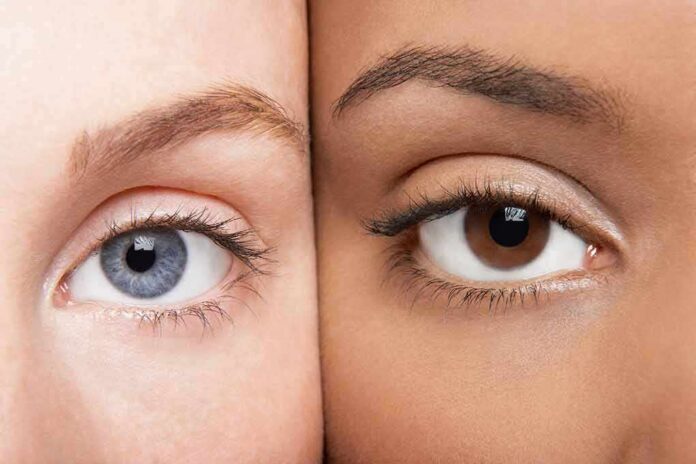
AI tools built to scan skin carry their own tested weak spots. Multiple independent studies found that AI dermatology systems perform worse on darker skin tones, largely because training data skews toward lighter-skinned patients. One review tied this directly to underrepresentation in both AI datasets and dermatology textbooks used to build these systems. For shoppers of any skin tone trusting an AI skin-age score, that is a real limitation worth knowing about.
Why This Matters To Everyday Shoppers
None of this means AI-linked skincare is fake or useless. It means the word “AI” on a product label does not by itself prove the product works better, or that a company tested it on people who look like you. Shoppers chasing younger skin are left weighing flashy television segments and slick marketing against a thinner stack of independent clinical proof, a gap that runs through plenty of health and wellness industries right now, not just beauty.
Sources:
youtube.com, today.com, yahoo.com, theweek.com, cosmeticsbusiness.com, perfectcorp.com