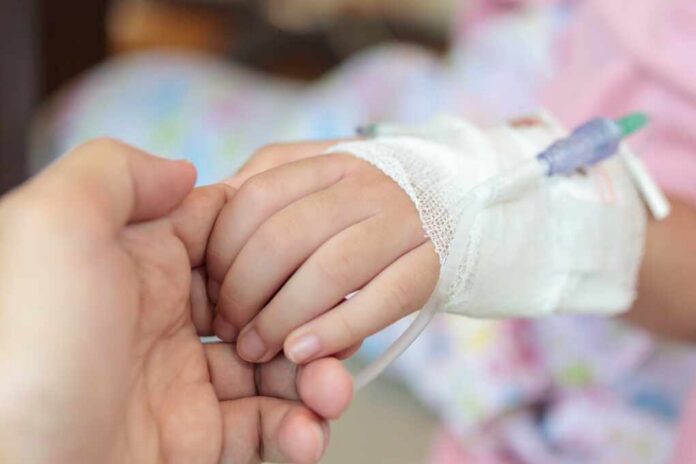
The most powerful thing about Johns Hopkins’ SURPASS program is simple: tiny babies are having urologic surgery while breathing on their own, wide awake, and going home the same day without a single whiff of gas anesthesia.
Story Snapshot
- Spinal anesthesia lets infants avoid a breathing tube and heavy sleep drugs during urologic surgery.[1]
- Numbness from the belly button down allows safe, pain-free surgery while the baby stays awake.[1][7]
- Many infants feed right after surgery and go home soon after, instead of staying in the hospital.[1]
- Spinal anesthesia is growing, but it still demands careful patient selection and honest data.[2][4]
How SURPASS Turns Infant Surgery On Its Head
Johns Hopkins Children’s Center built the SURPASS program around a very specific idea: for some infant urologic surgeries below the belly button, you can numb the lower body and skip general anesthesia.[1] The anesthesiologist injects numbing medicine around the spinal fluid, creating a safe, dense block from the belly button down.[1] The baby stays awake, breathes on his or her own, and avoids a breathing tube and strong sedating drugs that usually drive the whole experience.[1][7]
The highest risk in anesthesia for babies under one year is airway management, not the surgery itself.[1][4] Spinal anesthesia takes that danger mostly off the table by avoiding a tube in the windpipe and inhaled gases. Heart rate and blood pressure stay steady, there is no deep sleep to recover from, and infants do not need opioids in the operating room for pain control.[1][4]
What The Experience Looks Like For Parents And Babies
Parents who picture surgery often imagine their baby unconscious, wired, and ventilated. SURPASS flips that picture. The needle goes in once in the lower back, the legs go limp and numb, and surgery begins below the belly button while the infant is calm but awake.[1][7] The team uses music and pacifiers to soothe the child.[1] After surgery, parents can usually feed their child right away, and discharge comes soon after in many cases.[1]
For a parent, this matters in two ways. First, it limits exposure to general anesthetic drugs that still raise questions about effects on the developing brain, even if the science is not settled.[4][7] Second, it supports a tighter family unit: shorter hospital stays, less time separated from mom and dad, and fewer narcotics in a child who has barely lived long enough to smile. That lines up with a basic “first, do no harm” instinct most parents share.[5]
Where The Evidence Backs The Hype, And Where It Doesn’t
Hopkins is not the only center going down this road. Mayo Clinic reports that spinal anesthesia in pediatric urologic surgeries cuts anesthesia time, surgery time, and recovery room stay, especially for select procedures like hernia repairs and orchiopexy.[5] Nationwide Children’s Hospital describes spinal anesthesia as a safe way to avoid general anesthesia in very young infants, with less need for opioids and smoother recovery.[7] These reports consistently support the basic SURPASS claims.[3][5][7]
Yet the data also force a grounded view. An implementation study tied to infant spinal programs shows successful spinal placement improved from only 11 percent to 45 percent as teams learned and refined their process.[4] That means early on, more than half of attempts did not meet the target. Even later, many cases still need backup plans and sometimes conversion to general anesthesia. Other series report that about one-third of infants with spinal anesthesia also received extra intravenous anesthesia.[6][8]
The Fine Print: Selection, Limits, And Caution
Most experts treat spinal anesthesia as an option, not a new universal standard. Programs usually start with short, below-the-belly-button cases and carefully chosen babies.[3][5] They build strict protocols for which infants qualify, how long the surgery can last, and what to do if the block wears off or fails. That staged, cautious rollout looks like a responsible pattern: prove it in narrow use first, then expand step by step as results stay strong.[2][3]
The promise is real but the work is not done. The Hopkins video speaks boldly about safety and fast recovery, yet offers no numbers on success rates, conversions to general anesthesia, or long-term follow-up.[1] Parents should welcome a method that avoids a breathing tube and heavy drugs, but they should also demand transparent statistics, independent review, and clear criteria for when spinal anesthesia is wiser than tried-and-true general anesthesia.[2][4][8]
Sources:
[1] YouTube – SURPASS Program – Spinal Anesthesia at Johns Hopkins Children’s Center
[2] YouTube – Spinal Anesthesia at Johns Hopkins Children’s Center
[3] Web – PD04-14 SPINAL ANESTHESIA IN UROLOGY FOR RESPONSIVE …
[4] Web – Spinal Anesthesia in Infants Undergoing Urology Surgery
[5] Web – Improving Outcomes through Implementation of an Infant Spinal …
[6] Web – Spinal anesthesia for pediatric urologic surgeries: Less is more
[7] Web – Spinal anesthesia with caudal catheter in pediatric urologic surgery
[8] Web – Spinal Anesthesia – an Alternative for Infants Undergoing Surgery