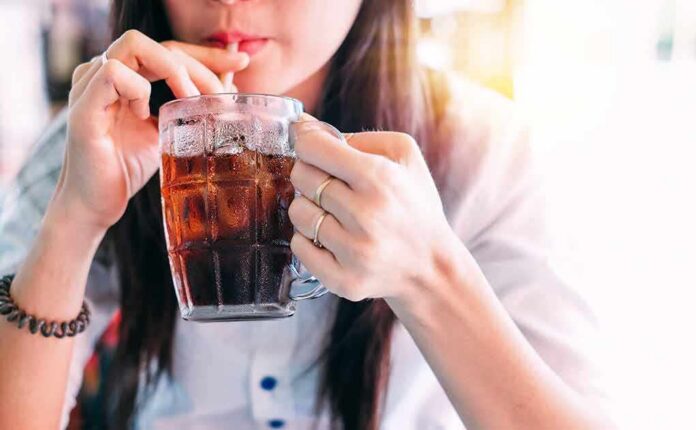
A single drink flips a liver switch that steers you toward salty snacks and can nudge your calorie count up fast.
Story Snapshot
- Alcohol prompts the liver to release fibroblast growth factor 21 (FGF21), which reshapes food preference toward savory foods while dialing down sweet cravings.
- FGF21 acts on the brain’s reward circuits and has been shown to cut sweet and alcohol preference in animals and link to macronutrient choice in humans.
- On drinking days, people reach for salty, umami-rich foods commonly found in ultra-processed options, raising the odds of overeating.
- This hormone response may help explain late-night fries, pizza, and wings—and the next-day scale surprise.
What Alcohol Starts, Your Liver Directs
Alcohol reaches the liver within minutes, and the liver responds by releasing fibroblast growth factor 21. Human data show that fibroblast growth factor 21 levels rise sharply after acute drinking and stay elevated with repeated intake, like at large festivals. This is not speculation; blood tests confirm the spike. Researchers describe fibroblast growth factor 21 as a liver signal to the brain that reshapes what we want to eat after drinking, with a tilt toward savory choices.
Scientists first traced this pathway in animals, then tied it to people. Giving fibroblast growth factor 21 to mice reduced their pull toward sugar and alcohol. Monkeys showed a similar drop in sweet preference after exposure to this hormone. Genetic studies in humans connect fibroblast growth factor 21 to how much we like certain macronutrients. Together, these findings map a loop: alcohol raises fibroblast growth factor 21, which then tunes appetite settings away from sweet and toward savory.
The Salty Shift: Why Fries Beat Cake After Drinks
The brain does not want dessert after a drink as much as it did before. It wants protein signals, which we often mistake for salt and umami. This explains the draw of fries, chips, pizza, and wings at the end of the night. Reports on eating patterns show that on drinking days, people select more savory foods and more ultra-processed options, which can mean more calories with less protein payoff. That mismatch can keep us eating long past fullness.
Nutrition researchers call many savory packaged foods “protein decoys.” They taste like protein-rich meals but deliver mostly refined starch and fat. When alcohol has already tilted the brain toward savory cues, these decoys invite overeating. That adds up, because alcohol supplies calories too. Models that test this mechanism show that alcohol-driven fibroblast growth factor 21 plus easy access to protein decoys can raise total energy intake meaningfully.
How The Brain’s Reward Circuits Get Rewired
Fibroblast growth factor 21 acts on brain regions that govern reward and learned preference. Studies in animals and non-human primates show that boosting this hormone slashes alcohol intake and reduces the appeal of sweet tastes by changing signals in the amygdala and related networks. Reviews of human and animal work agree on the core theme: fibroblast growth factor 21 helps the body keep macronutrient intake on target by steering us toward what it “thinks” we need at that moment.
Here is the twist for the weekend crowd. After drinks, the body reads savory and umami as a fast route to protein. But the modern food supply throws back ultra-processed choices that miss the protein mark. So the brain keeps asking, and the hand keeps reaching. That is how a happy hour can become a dinner plus “second dinner,” without much memory of either.
Practical Moves That Beat The Snack Trap
Plan real protein before and after alcohol. A plate with eggs, grilled chicken, beans, or Greek yogurt meets the brain’s post-drink ask and closes the loop. Set a salty snack swap: roasted edamame, beef jerky with low sugar, cottage cheese with tomatoes, or miso soup. These satisfy umami while delivering protein. If you host, put out cheese cubes, nuts, and sliced steak instead of chips and fries. You are not fighting willpower; you are rerouting a hormone cue.
Choose a hard stop. Decide on a food cutoff time before the first drink. Keep water in hand to slow pace and help fullness signals. If weight control is your goal, cap drinks and pair each with water. Fewer drinks mean a smaller fibroblast growth factor 21 surge and a calmer snack drive. Use a grocery rule for weekends: buy protein-forward, single-ingredient foods first. Do not keep “decoy” snacks within arm’s reach when you know you will be tired and wired.
Where The Science Aims Next
Clinical work now tests fibroblast growth factor 21 drug analogues for alcohol use disorder because the hormone pathway clearly cuts alcohol seeking in animals and early primate work. Nutrition scientists are mapping how much alcohol, and in what pattern, most shifts food preference in people who vary by age, sex, and baseline diet. Expect clearer dosing maps and better meal templates. The bottom line stands today: one drink can nudge your brain off sweets and onto salty, and the pantry you keep will decide the result.
Sources:
mindbodygreen.com, healthline.com, endocrinology.org, onlinelibrary.wiley.com, academic.oup.com, emjreviews.com