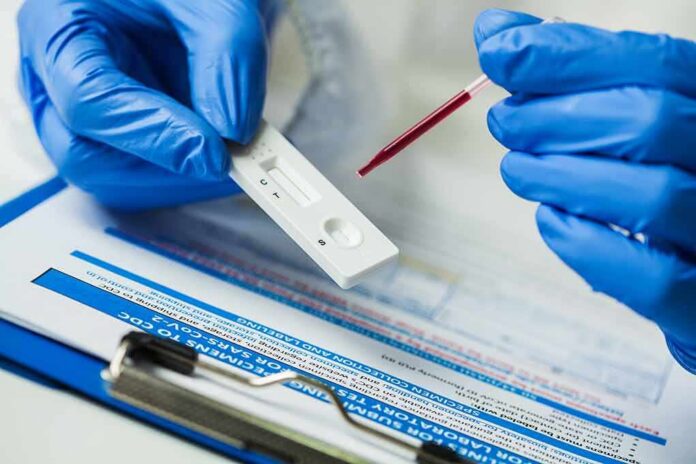
Doctors in London can now find out exactly what germ is making a patient dangerously sick in about six hours, instead of waiting days for lab cultures to grow.
Story Snapshot
- A new nanopore DNA test scans a patient sample and names the exact pathogen causing a severe infection in around six hours.
- The test also flags which antibiotics will work, letting doctors skip guesswork and unnecessary drugs.
- The UK government has backed a national expansion through the National Health Service, aiming for six-hour diagnosis of severe respiratory infections.
- Guy’s and St Thomas’ NHS Foundation Trust already published results from real patients showing the approach changing treatment decisions on day one.
A Six-Hour Answer Where Days Used To Pass
For most of modern medicine, doctors facing a mystery infection had to wait for bacteria to grow in a lab dish. That process, called culturing, can take two or three days, sometimes longer. Meanwhile, patients get treated with broad guesses. The new tool, built on Oxford Nanopore’s sequencing technology, reads the genetic material straight out of a patient sample and matches it against known pathogens almost instantly.
The British government announced in November 2024 that it wants suspected severe acute respiratory infections diagnosed within six hours using this kind of rapid genetic testing. Officials called it part of a “world-first early warning system” for future pandemics, designed to spot new or dangerous pathogens the moment they show up in a hospital.
Real Patients, Real Results At St Thomas’ Hospital
This is not just a lab promise. Doctors at Guy’s and St Thomas’ NHS Foundation Trust ran the test on patients with severe respiratory infections and published their findings in The Lancet Microbe. The study showed the rapid genetic test could detect and identify the bugs causing serious lung infections within hours, giving doctors the information they needed to personalize treatment right away.
Oxford Nanopore reported that in trials with Guy’s and St Thomas’, nearly half of patients had their antibiotics changed on the very first day after testing, based on what the sequencing revealed. The median time from taking the sample to getting a usable result was six hours and 42 minutes. That speed matters most for sepsis, a fast-moving blood infection where every wasted hour raises the risk of death.
Why Faster Answers Mean Better Antibiotics
Doctors treating a sick patient without lab results often reach for broad-spectrum antibiotics, drugs built to kill many types of bacteria at once. That approach saves lives, but overusing these drugs helps bacteria evolve resistance, a problem health officials call one of the biggest threats to modern medicine. Oxford researchers separately developed a faster way to identify bloodstream infections and predict antibiotic resistance, aiming to cut both unnecessary drug use and sepsis deaths.
Instead of a broad guess, doctors get a precise readout: which exact bacteria or virus is present, and which drugs actually work against it. That means patients get the right medicine sooner, hospitals save money on ineffective treatments, and the overall supply of working antibiotics stays protected for future patients who need them.
Part Of A Bigger Push Into Genetic Medicine
This test does not stand alone. It fits into a much larger British effort to put DNA sequencing at the center of everyday medicine. The National Health Service has already rolled out rapid whole-genome and whole-exome sequencing for sick babies and children, scanning thousands of genes for rare diseases in a fraction of the time older methods required. Health Secretary Wes Streeting has announced plans for every baby born in the United Kingdom to eventually have their DNA tested as part of a ten-year health strategy.
Independent reviews of this broader technology, known as metagenomic sequencing, have found it performs well but is not flawless. One meta-analysis covering twenty studies found the method correctly identified infections with 75 percent sensitivity and 68 percent specificity, a solid but imperfect track record that researchers say improves as the technology matures. That single caveat aside, the direction of travel is clear: British hospitals are betting that reading a patient’s DNA on the spot beats waiting days for a lab dish to tell them the same thing.
Sources:
youtube.com, x.com, news.sky.com, ouh.nhs.uk, nanoporetech.com, tandfonline.com