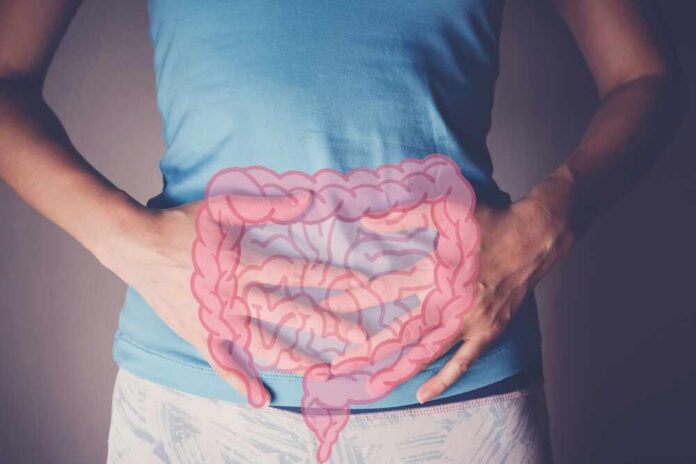
Your gut is not just a digestive organ — it is a command center that talks to your brain, trains your immune system, and shapes your mood every single day.
Quick Take
- Dr. Giulia Enders, a medical doctor and author of the bestselling book Gut, argues that a well-nourished gut microbiome is central to immunity, mood, metabolism, and brain health.
- A Nature study analyzing over 34,000 gut microbiomes found specific bacteria consistently linked to better health markers across multiple continents.
- Eating a wide variety of high-fiber, plant-based foods is the most research-supported way to build and keep a healthy gut microbiome.
- Scientists confirm the gut-brain connection is real and runs in both directions, but caution that many broad wellness claims still outpace the hard clinical evidence.
The Tiny Ecosystem Living Inside You Right Now
Your gut is home to roughly 39 trillion bacteria and other microorganisms. [23] That number is not a typo. These microbes break down food your body cannot digest on its own. They fight off harmful bacteria. They produce chemical messengers that travel through your bloodstream and reach your brain. Most people have no idea this is happening with every single meal they eat.
Dr. Giulia Enders made this science accessible to millions. Her book Gut became an international bestseller, and her TEDx talk on the “surprisingly charming science of your gut” introduced mainstream audiences to the gut-brain connection. [8] Enders is a medical doctor, not a wellness influencer, and that distinction matters when the internet is full of people selling powders and pills. [4] Her core message is simple: what you feed your gut shapes far more than your digestion.
What the Research Actually Says About Gut Health
The science backing Enders’ core claims has grown substantially. A landmark Nature paper studying over 34,000 participants identified gut microbiome species consistently linked to healthier diets and better metabolic markers across continents. [10] Researchers confirmed that changing what you eat can shift your microbiome in ways that are predictable and repeatable. That is not a small finding. It means your gut is not fixed — it responds to what you do.
Michigan State University microbiome researcher Dr. Quinn, after ten years of study, gives straightforward advice: eat fiber, and lots of it. [11] Whole foods like apples, oatmeal, and avocados feed the microbes that produce compounds like butyrate, which regulate blood sugar and reduce inflammation. Fermented foods — sauerkraut, yogurt, kimchi — add another layer of benefit. The gut microbiome is not pseudoscience. It is real biology with real consequences.
The Gut-Brain Connection Is Not Hype
Your gut connects to your brain through millions of nerves, including the vagus nerve. [16] Scientists call this the gut-brain axis. Studies show that people with neurological disorders often have different gut bacteria than healthy people. Some research links certain probiotics to reduced symptoms of depression. [16] The University of Wollongong summarizes the evidence plainly: communication between the gut and brain runs in both directions, and each influences the other. [1] That bidirectional relationship is one of the most important findings in modern medicine.
Dr. Giulia Enders: How to Nourish Your Gut (And Keep It Thriving for Life) – Dr. Giulia Enders discusses how the gut affects digestion, immunity, mood, sleep, metabolism, and long-term health, along with practical ways to support it without extreme diets or expensive…
— Flipso (@flipso) June 18, 2026
Even so, honest scientists draw a clear line. Associations between gut bacteria and mood, sleep, or metabolism are strong and growing. Proof that fixing your gut will fix your mood is a harder case to make. Gut microbiome science is still evolving fast, and some broad wellness claims move faster than the controlled trials needed to confirm them. [20] That gap between association and proven cause is where the supplement industry has planted its flag — and where consumers need to be careful.
What You Should Actually Do to Feed Your Gut Well
The practical advice from both Enders and independent researchers lines up well. Eat more plants, and eat a wide variety of them. Different plant foods feed different microbial species, and diversity in your diet builds diversity in your gut. [3] Long-term dietary habits are one of the most powerful ways to shift your microbiome — short-term changes produce quick but temporary results, while sustained changes reshape your gut composition over months and years. [14] That is the “lifelong nourishment” argument Enders makes, and the underlying biology supports it.
Probiotics deserve a more cautious look. The strongest evidence for probiotic supplements is in one specific situation: recovering after a round of antibiotics, which can wipe out large portions of your gut bacteria. [11] Outside that context, the research is complicated. Fermented foods in your diet are a smarter, cheaper, and better-supported choice than most products on the supplement shelf.
Sources:
[1] Web – Dr. Giulia Enders: How to Nourish Your Gut (And Keep It Thriving for …
[3] Web – Brokering the gut: microbial decoys in the documentary Hack Your …
[4] Web – A Dietitian’s Take on Hack Your Health: The Secrets of Your Gut
[8] YouTube – how the body really works | With Giulia Enders (english version)
[10] Web – Here are 5 things I learned from Giulia Enders’ book “Gut … – …
[11] Web – Gut micro-organisms associated with health, nutrition and dietary …
[14] Web – Gut microbiome and health: mechanistic insights
[16] YouTube – The Gut Microbiome in Health and Disease
[20] Web – Examination of public perceptions of microbes and microbiomes in …
[23] YouTube – The New #1 Marker of a Healthy Gut | Prof. Tim Spector