A new peer-reviewed review links everyday choices—food, movement, and caffeine timing—to real, measurable drops in blood pressure.
Story Snapshot
- A specialty hypertension journal details diet, exercise, and caffeine guidance.
- Each extra 30 minutes of weekly aerobic exercise lowers blood pressure on average.
- DASH-style eating and less salt support safer, steadier numbers.
- Caffeine can raise blood pressure short term; smart moderation matters.
What the new review actually found
Researchers from major institutions published a November 2026 review in Current Hypertension Reports that pulls lifestyle steps into a clear plan for people with high blood pressure. The paper backs calorie control, the DASH eating plan, regular exercise, and less sodium as core tools. It also draws a bright line on caffeine: single doses can spike pressure for hours, while day-to-day coffee habits are a different story and call for moderation, not extremes.
The exercise section gives numbers you can use. A dose-response analysis of 34 randomized trials with 1,787 adults estimated about a 1.8 millimeters of mercury drop in systolic pressure and 1.2 in diastolic for each extra 30 minutes of weekly aerobic activity, with the biggest gains near 150 minutes per week. That is not a magic cure. It is steady, bankable progress built into your week.
Diet that pushes pressure down
The review highlights the DASH pattern: more fruits and vegetables, lean protein, whole grains, and low-fat dairy, along with clear salt limits. These shifts help the body shed extra fluid and relax blood vessels. Calorie control lowers weight, which often trims blood pressure further. The combined effect is stronger than any single swap. If you want proof of synergy, trials that pair diet with exercise beat diet alone on average blood pressure reduction, a result that aligns with common-sense habits that work together.
Salt sits at the center because it pulls water into the bloodstream. Less sodium means less volume pushing on artery walls. The review’s summaries and news reports point to sodium limits as standard practice, not a fad. This tracks with routine clinical advice and with what many people notice when they cook more at home. Season with herbs. Taste before you shake. Pick low-sodium versions when it makes sense. These moves are dull on paper and powerful in real life.
Caffeine: the timing trap to manage, not ignore
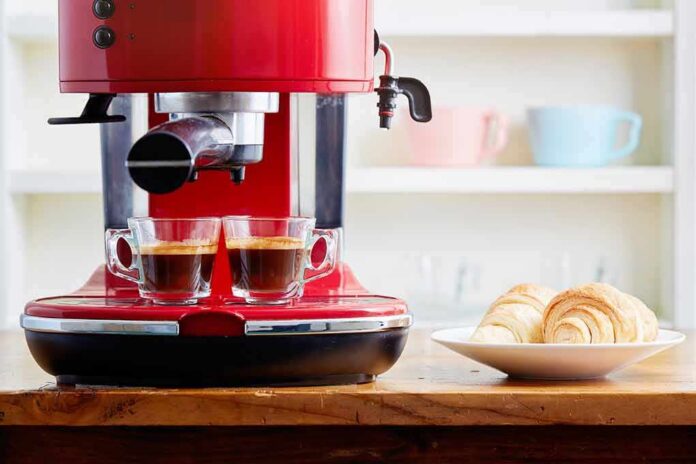
The authors separate two ideas that the internet often mashes together. A single dose of 200 to 300 milligrams of caffeine can raise systolic pressure by about eight and diastolic by about six millimeters of mercury within an hour, and the effect can last at least three hours. That is a real, short-term bump you can feel. Habitual coffee drinking is different. Tolerance, brew strength, and what you add to the cup change the picture. The review lands on moderation, which fits daily life and avoids whiplash advice.
Practical guardrails flow from this. If your numbers run high, avoid large caffeine hits right before a clinic check or a tough meeting. Space your coffee earlier in the day. Track how you feel and what your home cuff shows. That is not a ban. It is a plan. This is personal responsibility: learn your response, adjust your dose, and stay consistent.
How to turn evidence into a weekly routine
Build to at least 150 minutes per week of moderate aerobic activity. Walk briskly, cycle, swim, or dance—pick what you will repeat. Add two days of light resistance work for extra support. Shift your meals toward DASH basics: half your plate produce, choose lean proteins, and swap refined grains for whole. Read sodium on labels and aim lower. Keep caffeine steady and moderate. Small, steady changes beat one-time heroics because they survive real life.
The averages in the review will not replace medicine for everyone, and that is fine to say once and move on. The wins are still meaningful: lower numbers, fewer spikes, more control in your own hands. Policymakers cannot cook your dinner or take your walk. You can. Start with one extra 30-minute session this week. Cut one salty staple in your pantry. Slide your biggest coffee earlier. Recheck your blood pressure in two weeks and look for the shift. The data says you will likely see it.
Sources:
youtube.com, link.springer.com, alivewire.io